320 Migrants Braved the Darien Gap Jungle in 2026, a Year after the Exodus.
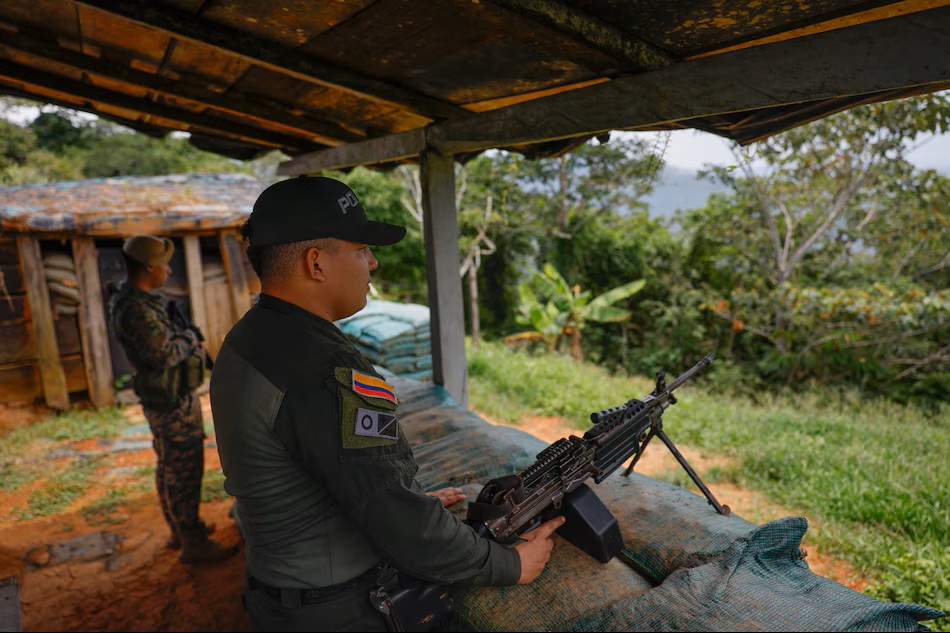
The Colombian National Police and Panama’s National Border Service (Senafront) patrol the Darién Gap to combat illegal migration, drug trafficking, and mining. 87% of the migrants came from South America: Venezuela topped the list with 163 people, followed by Ecuador with 50, and Colombia with 48.
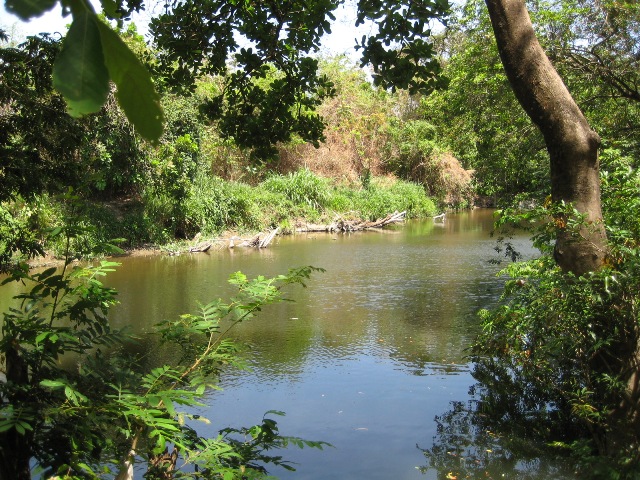
The multitude that once made the Darién Gap, between Panama and Colombia , one of the continent’s main migration routes has virtually disappeared. The jungle, however, is still there. And there are still those who risk crossing it. Between January and July of this year, 320 migrants crossed irregularly from Colombia into Panama, according to preliminary data from the National Migration Service. They are just a fraction of the thousands who have once ventured into the jungle, but each record tells a different story of those who still dare to cross one of the most hostile territories in the region. Among them were 49 minors. The figures also allow us to track those who are still making the journey. 87% of the registrations correspond to citizens of South America.
Venezuela leads the way, with 163 people, more than half of the total. Next are Ecuador, with 50 migrants, and Colombia, with 48. The route has shortened, but it remains international. Travelers also arrived from other continents. In the first seven months of the year, 23 African citizens were registered, including 12 from Ghana and five from Cameroon. They were joined by people from the Antilles, North America, Asia, and Central America. These numbers are small compared to the exodus of previous years, but enough to remind us that the Darién Gap still appears on the map for those seeking an alternative route north.
The Profile.
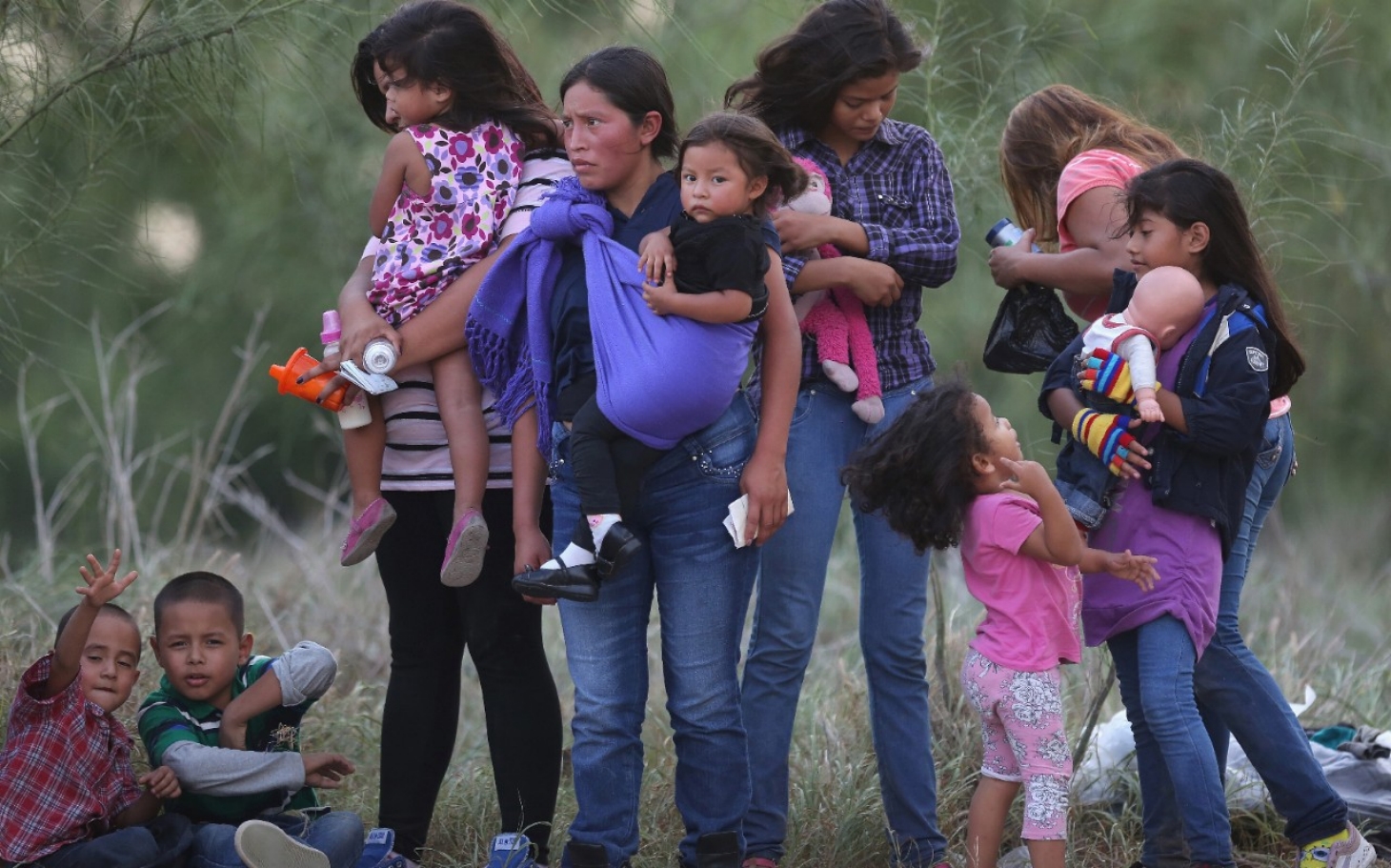
Among those still crossing the jungle, young people predominate. 187 of the 320 migrants were between 18 and 35 years old, but the most striking statistic is not found in that group. Almost fifty were minors. In total, 49 minors were registered during the period, including 30 children aged 10 or younger. This fact changes the perspective of the story. It’s no longer just about adults undertaking the journey alone. Families with young children continue to venture into an area where the terrain, the climate, and the long distances make each day a test of endurance. There is also a marked difference between men and women. 204 of the migrants were adult men, representing 64% of the total, while 67 were women. Among the minors, there were 24 girls and 25 boys.
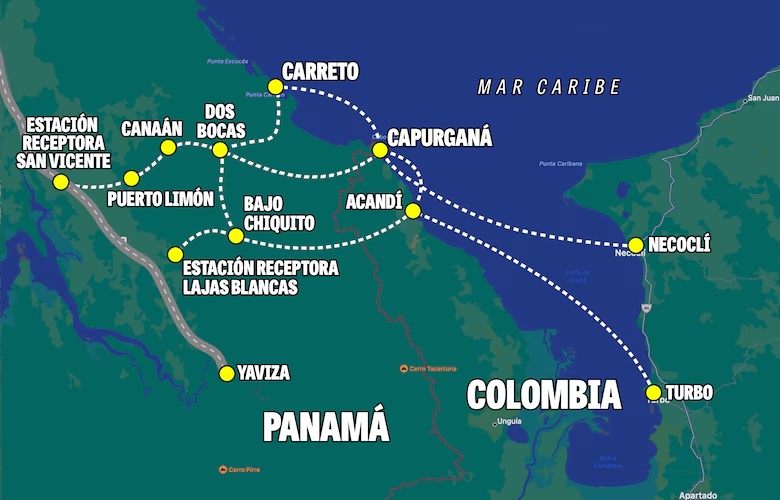
Some Routes Used by Migrants.
Behind the percentages, a predominantly male and young flow emerges, but also a more vulnerable group that continues to cross the border. Young children and women are part of a journey where geography and the irregularity of transit make protection and assistance more difficult. The movement hasn’t been consistent either. February saw just 19 crossings, the lowest point of the period. But four months later, in June, the figure reached 102 people, the highest number recorded between January and July and almost a third of the total. In July, the flow dropped again, closing with 40 crossings.
The Decrease.
The magnitude of the change is best understood when looking back. Between January and July 2025, the Darién Gap saw 2,934 irregular crossings, compared to 320 during the current period. The drop reaches 89.1%. In other words, for every 100 people who crossed the jungle in the first seven months of 2025, this year only 11 did so. The migratory landscape of the last two years is therefore very different. Where there was once a constant flow of people, now there are much smaller and more sporadic groups. But the decrease does not mean that the route has disappeared. The transit continues, and with it, the risks that accompany those who decide to venture into the jungle.
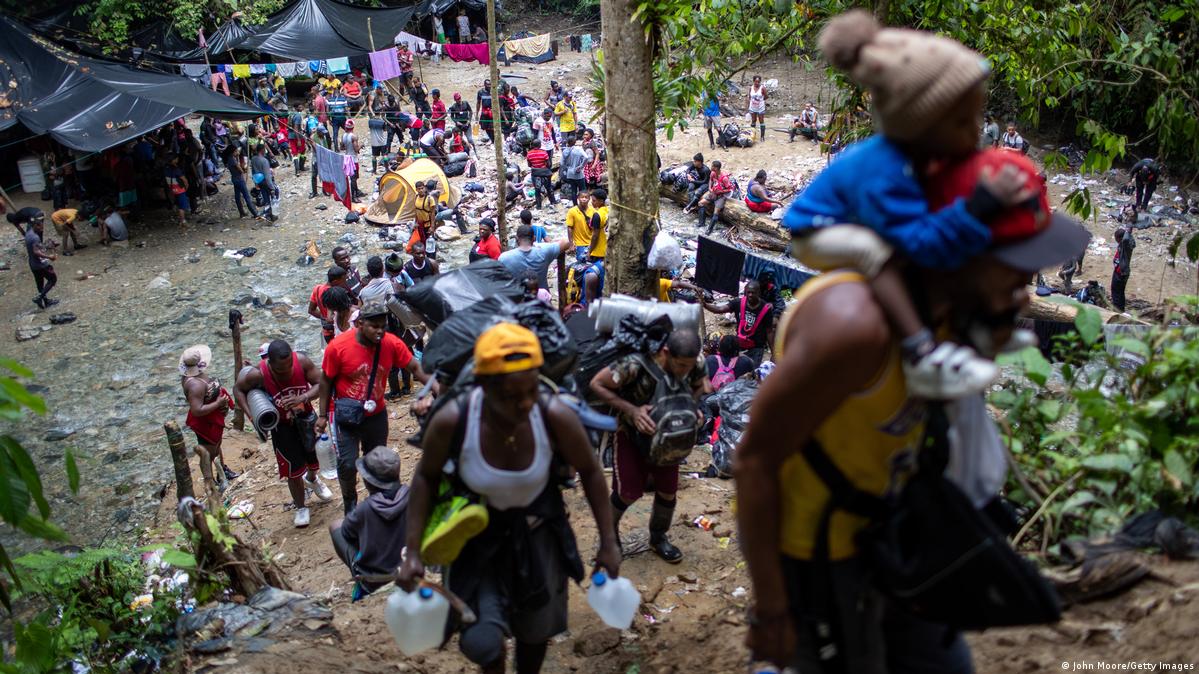
To understand what happened, we need to go back a little further. In 2023, more than 520,000 people crossed the Darién Gap irregularly, while in 2024, more than 302,000 did so. In just two years, more than 822,000 people used this border crossing on their way to North America. During that period, the Darién Gap ceased to be merely a remote border and became a migration corridor of continental dimensions. The change began to become visible in July 2024. The administration of José Raúl Mulino closed migration routes and launched deportation and repatriation flights with the support of the United States.

Donald Trump, the US president, tightened immigration measures in 2025.
Months later, Donald Trump’s return to the White House further worsened the situation by increasing detentions and deportations. Controls were tightened at both ends of the route, and the Darién Gap, which for years had been traversed by hundreds of thousands of people, began to fall silent. The jungle remains. So do those who still cross it.