You Loaned Them the Keys Then Came the Phone Call
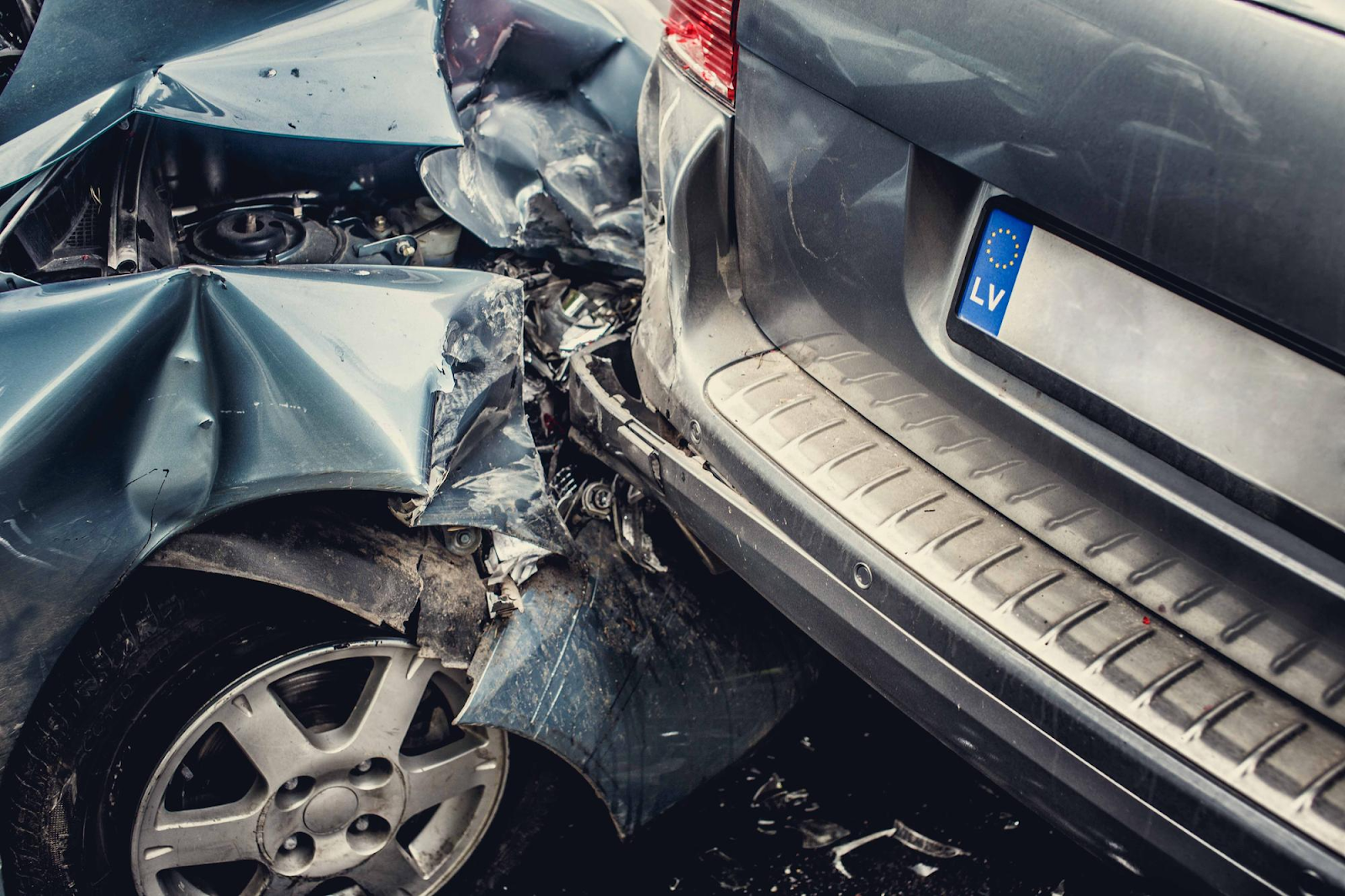
Lending someone your car usually doesn’t feel like a major decision. A friend needs to run an errand, your sibling’s car is in the shop, or a relative asks to borrow yours for the afternoon. You hand over the keys and probably don’t think much about it.
Then comes the phone call nobody expects. There’s been an accident, your car is damaged, and suddenly a simple favor has turned into questions about insurance, permission, and responsibility. The person behind the wheel matters, but so does the policy attached to the vehicle.
When an accident involves someone else driving your car in Pennsylvania, figuring out what happens next isn’t always as simple as asking who caused the crash. Coverage can depend on the driver, the permission given, the insurance policies involved, and other details.
Insurance May Follow the Car
People sometimes assume that whoever is driving automatically uses their own insurance after a crash. In many situations, though, insurance coverage is connected to the vehicle itself. That means the policy covering the borrowed car may become an important starting point when figuring out which coverage applies.
That doesn’t mean every person who borrows a vehicle is automatically covered. Policies have terms, exclusions, coverage limits, and definitions that can affect the answer. The relationship between the owner and driver, how the vehicle was being used, and whether the driver had permission can all become relevant.
Pennsylvania’s insurance system can add other considerations depending on the type of loss involved. Rather than assuming one policy will handle everything, it’s important to look at the actual insurance contracts and circumstances surrounding the accident before deciding which coverage applies.
Permission Can Be a Bigger Deal Than Expected
There’s a major difference between handing someone your keys and discovering that someone took your car without asking. Insurance policies may treat permitted drivers differently from people who weren’t authorized to use the vehicle, making permission an important question after an accident.
Even permission isn’t always completely straightforward. Maybe you allowed a relative to use the car for one specific errand, but they drove somewhere else. Perhaps someone you permitted to drive then handed the keys to another person. Those situations can raise questions about how far the original permission actually extended.
Policies can also specifically exclude certain drivers from coverage. That’s why knowing someone had permission doesn’t necessarily settle the insurance question by itself. Who was driving, what permission they had, and what the policy says about that driver all need to be considered together when coverage is evaluated.
The Driver’s Insurance May Enter the Picture
If the person borrowing the car has their own auto insurance, that policy may also become relevant after a collision. Having two potentially applicable policies doesn’t necessarily mean both insurers simply split the bill. Which coverage applies first can depend on the policies and the particular loss involved.
One policy may provide primary coverage in a certain situation while another may potentially provide additional coverage after applicable limits are reached. There can also be differences depending on whether the claim involves vehicle damage, injuries, or another type of loss arising from the accident.
This is where assumptions can cause confusion. The vehicle owner’s insurer and the driver’s insurer may each review the accident and their respective policy language before deciding what they cover. Sorting out priority often requires looking at both policies rather than relying on a general rule about borrowed cars.
The Owner’s Decisions Can Matter Too
Owning the vehicle doesn’t automatically mean you’re responsible for everything another driver does with it. Still, there are situations where an owner’s own choices may become part of the conversation. The key question may be whether the owner did something that independently contributed to the risk.
For example, questions could arise if an owner knowingly allowed someone who wasn’t legally permitted or reasonably capable of driving safely to use the vehicle. The specific facts matter, and simply lending a car to another person doesn’t by itself answer whether the owner bears legal responsibility for a later crash.
Vehicle condition may matter in some cases as well. If an owner knew about a serious mechanical problem and still handed over the keys, that fact could potentially become relevant depending on what caused the collision. Responsibility comes from the circumstances, not ownership alone.
Conclusion
Handing someone the keys feels simple because most borrowed-car trips end without anything unusual happening. When there’s an accident, however, that casual favor can suddenly involve two drivers, one vehicle owner, multiple insurance policies, and plenty of questions about who had permission to do what.
The answers aren’t always obvious from who was sitting behind the wheel. Coverage may involve the vehicle’s policy, the borrower’s insurance, or potentially both. Permission, exclusions, policy language, and the circumstances of the trip can all influence how the situation is handled.
That’s why it’s useful to know who you’re allowing to drive and what your insurance policy actually covers before the keys leave your hand. If a crash does happen, reviewing the policies and facts can provide a much clearer answer than assuming responsibility automatically falls on one person.