
What Factors Influence the Total Cost of an Above Ground Swimming Pool
Adding a pool to a backyard creates a dedicated space for relaxation, exercise, and family activities. However, the total investment depends on several choices made before purchase. The pool size, construction materials, equipment, and additional features all contribute to the final cost.
A clear idea of these factors helps homeowners select a pool that suits their outdoor space and personal requirements. Every backyard has different needs, so understanding the pricing elements can make the buying process easier. This article explains the main factors that affect the overall cost of an above-ground pool.
Pool Size and Shape Affect the Overall Price
The size and shape of the pool have a major influence on the total cost. Larger models require more materials, hold more water, and may need higher-capacity equipment to support proper performance. Smaller designs can suit limited spaces, while larger options provide additional room for swimming and recreation.
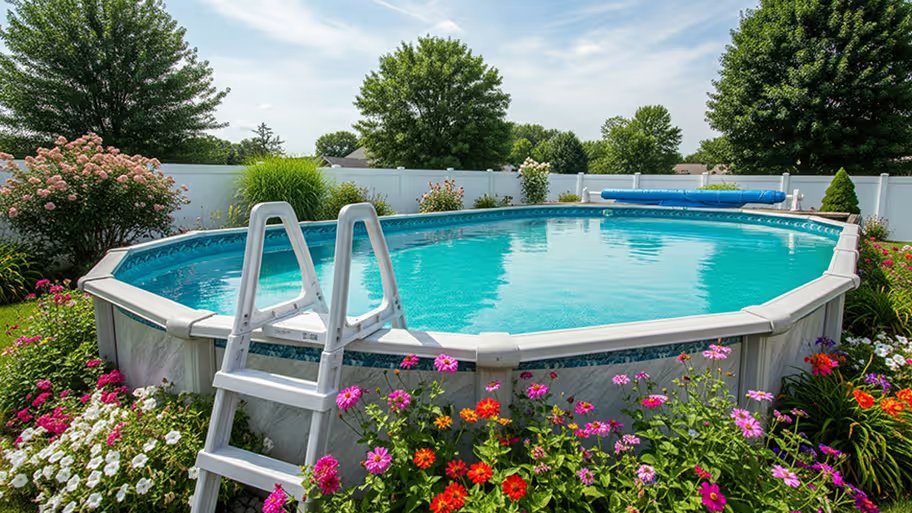
Above ground swimming pools come in different sizes and designs to match various backyard layouts. The shape also affects the amount of space required and the supporting components needed for installation. Homeowners should consider how the pool will be used before selecting a suitable design.
Construction Materials Influence Quality and Cost
The materials used in a pool structure directly affect its price and features. The frame, walls, liner, and other components determine the strength and appearance of the pool. Different material choices provide different levels of durability, maintenance needs, and overall value.
Important Material Factors Include
- Frame construction and structural support
- Liner thickness and available replacement options
- Wall materials and protective finishes
- Component quality and compatibility
- Design features that match outdoor conditions
Selecting appropriate materials helps homeowners create a pool setup that meets their expectations. A well-built structure can also provide reliable performance throughout regular use.
Filtration Systems and Accessories Add to the Investment
A pool requires supporting equipment to maintain clean and enjoyable water conditions. Filtration systems, pumps, covers, ladders, and cleaning accessories can influence the final purchase cost. The type and capacity of these items depend on the pool size and selected design. Additional features can also improve convenience and comfort. Safety covers, entry systems, and other accessories may increase the overall budget but provide useful benefits for everyday pool use. Choosing suitable additions ensures the setup matches practical needs.
Site Conditions Can Affect Preparation Requirements
The location selected for a pool can influence the preparation involved before installation. Available space, ground conditions, and access to the area are important factors that affect the overall setup process. A suitable location allows the pool to fit properly within the backyard while supporting easier access and regular maintenance. Homeowners should consider the surrounding area, including space for equipment and movement around the pool, when planning their purchase.
Added Features Shape the Final Pool Investment
Extra features allow homeowners to create a pool area that matches their preferred experience. Options such as upgraded equipment, lighting, covers, or comfort accessories can increase the total cost based on the selected additions. The final price of above ground swimming pools depends on the combination of features, materials, and equipment included in the setup. Each choice should provide practical value and support the way the pool will be enjoyed.
The cost of an above-ground pool depends on more than the initial purchase price. Size, materials, equipment, site requirements, and additional features all contribute to the complete investment. Understanding these elements helps homeowners compare options with greater confidence. A well-planned pool selection balances available space, desired features, and budget expectations. By reviewing each factor carefully, homeowners can create an outdoor swimming area that provides comfort, convenience, and lasting enjoyment.