How Fast Can a Solar Powered Generator Recharge?
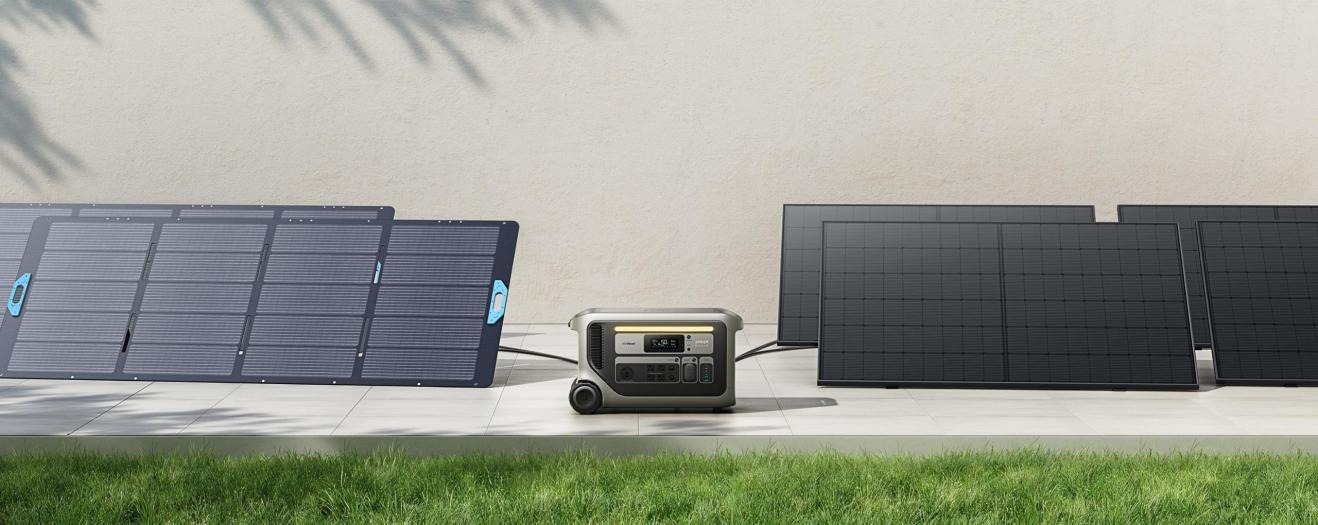
Solar powered generator recharge time depends on how much energy the battery stores and how quickly the system can accept incoming power. Smaller units may recharge in a few hours, while large-capacity models can take much longer if solar input is limited. The fastest results come from matching battery size with strong panel output and full sun exposure. Charging method also matters, since many systems can recharge through wall outlets or vehicle ports when sunlight is unavailable. Understanding these variables helps you estimate realistic charging times, compare generator options more accurately, and choose a setup that supports camping, backup power, work sites, or off-grid use.
Key Factors That Determine Solar Generator Charging Time
Battery Capacity and Solar Input Power Affect Recharge Speed
Battery capacity is one of the biggest factors in solar generator charging speed. A higher-capacity battery stores more energy, so it naturally takes longer to refill than a smaller one when using the same solar panel setup. Solar input power matters just as much. More input wattage means more energy flows into the battery each hour, reducing recharge time. For example, the Anker SOLIX F3000 supports up to 2,400W of solar input at 60V and 165V, allowing a full recharge in under 2 hours with optimal sunlight. That pairing of large solar intake and strong battery design shows how faster charging depends on both storage size and maximum supported input.
Sunlight Conditions and Charging Efficiency Influence Results
Sunlight quality directly affects how fast a solar powered generator recharges. Bright midday sun produces the strongest panel output, while early morning, late afternoon, clouds, shade, dust, and high heat can reduce generation. Even a capable panel array cannot deliver rated wattage for long if conditions are poor. Charging efficiency also matters because some energy is lost during conversion from solar panels to stored battery power. Panel angle, cable quality, and controller performance all influence the final result. To estimate recharge time accurately, base expectations on real working conditions rather than nameplate numbers alone. Strong, uninterrupted sunlight and efficient system design produce the quickest and most reliable charging performance.
Compare Different Charging Methods for Solar Generators
Solar Charging for Off-Grid Energy Independence
Solar charging gives a generator its greatest advantage: the ability to produce and store energy far from utility power. For camping, remote work, RV travel, and emergency backup, solar panels let users recharge during the day and run devices after sunset. This method supports energy independence and lowers reliance on fuel. Its speed is strongest when panel capacity matches the generator’s input limit and when the setup receives steady direct sun. Solar charging also scales well, since adding compatible panels can shorten recovery time significantly. While it is not always the fastest method hour to hour, it is often the most practical solution for long off-grid stays where grid charging is unavailable.
Wall and Vehicle Charging for Faster Energy Recovery
Wall charging usually provides the fastest and most predictable way to recharge a solar generator because it is not limited by weather or daylight hours. It works well when you need to restore battery power overnight or prepare for an outage quickly. Vehicle charging is slower than wall charging, but it remains useful during road trips, mobile work, or travel between campsites. Some advanced systems also support combined charging methods for even faster recovery. The Anker SOLIX F3000 can combine a fuel generator and solar input for up to 6,000W of recharging power when paired with an expansion battery. That hybrid approach helps restore large battery reserves much more quickly.

How to Improve Solar Generator Recharge Performance?
Optimize Solar Panel Placement and Daily Charging Conditions
Better panel placement can noticeably reduce charging time. Set panels where they receive direct sunlight for the longest part of the day, and avoid shadows from trees, vehicles, roofs, or gear. Face panels at the proper angle to capture more midday sun, and reposition portable panels as the sun moves if possible. Keep panel surfaces clean so dust, pollen, and debris do not block light. Use short, high-quality cables and secure connections to limit power loss between the panels and the generator. When planning off-grid use, start charging early in the day instead of waiting until the battery is low. A longer charging window helps capture more total solar energy before sunset.
Plan Energy Usage to Maintain Available Power
Recharge performance improves when energy use stays balanced with incoming solar power. Running large appliances while charging can slow battery recovery because part of the solar input is immediately consumed instead of stored. A simple strategy is to schedule high-draw devices during peak sun hours, when panel output is strongest, and save lower-priority loads for later. Monitor battery level, input wattage, and output demand so you can adjust usage before reserves drop too far. It also helps to recharge consistently rather than waiting for a near-empty battery. Daily energy planning keeps more power available, reduces stress on your setup, and makes your solar generator more dependable for backup or off-grid operation.
Conclusion
A solar powered generator can recharge surprisingly fast when battery size, solar input, and sunlight conditions are all working in your favor. Systems with high solar intake recover energy much more quickly than models limited by lower panel input. Real-world charging speed improves further when you use strong panel placement, clean connections, and smart energy management. Solar remains the best option for off-grid independence, while wall and vehicle charging provide useful alternatives when speed or convenience matters most. If you want shorter recharge times, focus on matching your generator with enough solar capacity and using it in conditions that support efficient daily energy recovery.