Outdoor Photography Power Needs and Portable Stations
Outdoor photography depends on reliable power as much as lenses, weather planning, and timing. Cameras, spare batteries, drones, LED panels, monitors, and laptops all demand energy, especially during long shoots far from outlets. When power runs low, missed shots, delayed backups, and interrupted lighting setups can quickly affect results. Portable power stations help photographers keep essential gear charged while working in parks, mountains, deserts, coastlines, and event locations. They offer a practical way to support both capture and post-shoot tasks in the field. Understanding what your gear needs and how portable power fits your workflow makes every location session more efficient.
Understanding Power Requirements for Outdoor Photography Gear
Charging Cameras, Batteries, and Essential Accessories
Outdoor photography usually starts with small but constant power demands. Camera bodies, battery chargers, action cameras, wireless microphones, smartphones, GPS devices, and memory card readers all need reliable charging between sessions. Even if each device uses modest wattage, the combined demand over a full day becomes significant, particularly during cold weather or extended time-lapse work. Fast access to USB-C, USB-A, or AC power helps photographers rotate batteries instead of stopping early. A portable power station can also keep backup batteries topped off while charging communication tools and navigation devices. For landscape, wildlife, and travel photography, steady power for these essentials reduces interruptions and protects valuable shooting time in changing conditions.
Supporting Laptops, Drones, and Lighting Equipment on Location
Larger outdoor photography setups require more than battery swaps. Many photographers edit previews on laptops, offload large RAW files to drives, recharge drone batteries, and run LED lighting or flash triggers on location. These devices draw more power and may require AC outlets, higher USB-C output, or stable current for sensitive electronics. Drone charging, in particular, can consume capacity quickly when multiple flight batteries are involved. Portable lighting for portraits or product work also adds steady demand during sunrise, sunset, or shaded shoots. Planning for these devices means calculating both watt-hours and charging speed. With enough available output, photographers can power capture, review, backup, and lighting tasks without leaving the field too soon.
How Portable Power Stations Improve Outdoor Photography Workflows?
Extending Shooting Time in Remote Locations
Portable power stations extend field time by turning a remote location into a workable charging hub. Instead of rationing every camera battery or ending a session once a drone pack is empty, photographers can continue shooting with more confidence. This is especially useful for wildlife waits, overnight landscape sessions, off-grid travel, and multi-day productions where returning to mains power is not practical. Keeping batteries, phones, and storage devices charged also supports safety and communication. Continuous access to power reduces the need to prioritize one device at the expense of another. As a result, photographers can stay focused on timing, composition, and weather windows rather than constantly tracking dwindling battery percentages.
Providing Flexible Power for Creative Equipment Setup
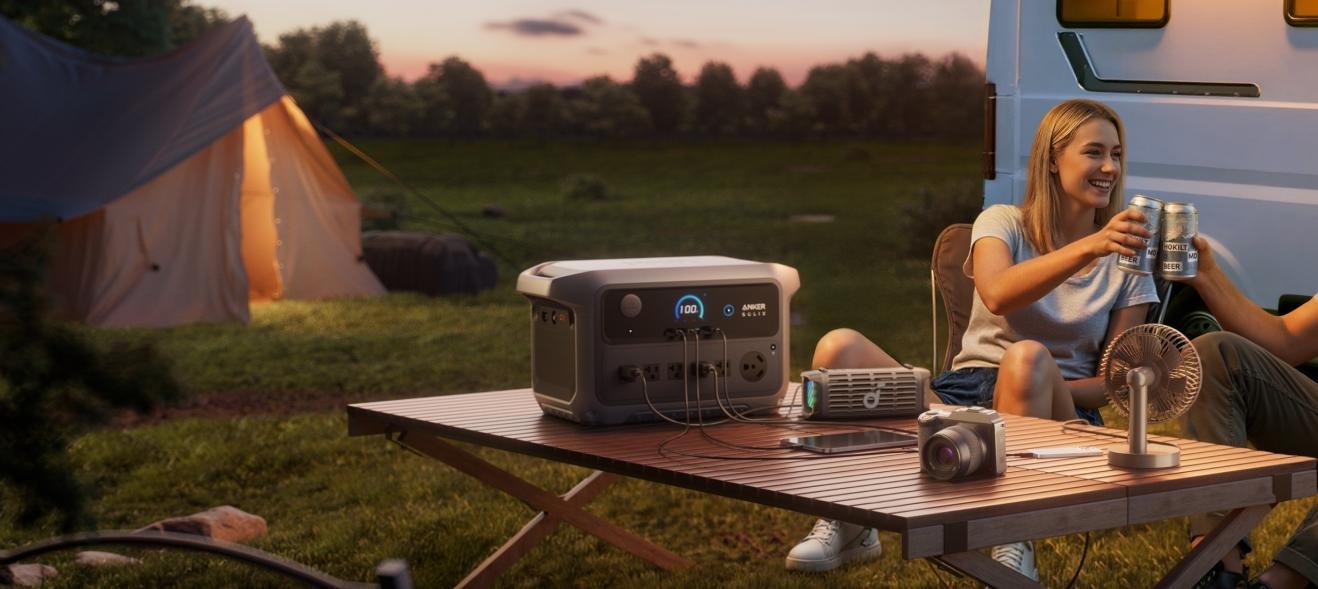
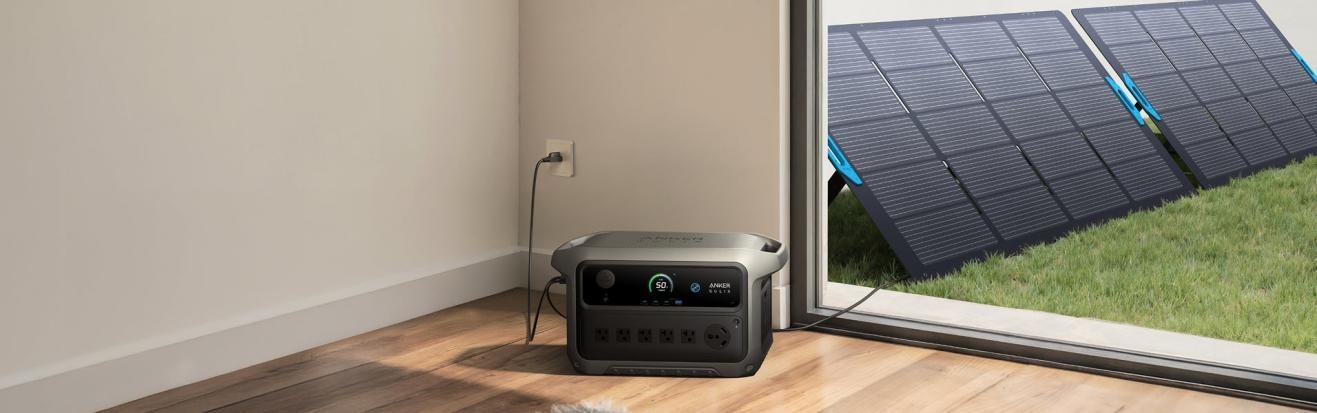
Creative outdoor setups often change quickly, so flexible power matters as much as total capacity. A photographer may begin with camera charging, then switch to running a laptop, powering an LED panel, or topping up drone batteries before sunset. A portable power station supports this variety by offering different ports for mixed devices in one place. When comparing options for demanding outdoor workflows, looking for the best portable power station can help photographers find a balance between capacity, output options, charging speed, and portability. The Anker SOLIX C2000 Gen 2 Portable Power Station fits this need with a compact 18.1 × 9.8 × 10.1-inch design that is 29% smaller, a net weight of 18.9 kg that is 25% lighter, and up to 4kWh expandable capacity. Six recharging options, including AC and solar, reach 80% in 45 minutes and 100% in 58 minutes.
Choosing a Portable Power Station for Photography Adventures
Considering Capacity, Output Ports, and Portability
Choosing the right portable power station starts with matching capacity to your actual gear list. Count how many camera batteries, drone packs, laptop sessions, and lighting hours you expect during a typical shoot. Then check the available output ports. USB-C helps with modern cameras, tablets, and laptops, while AC outlets support chargers, lights, and external drives. Stable output is important for electronics used in file transfer and tethered shooting. Portability also affects real-world use. A powerful unit only helps if you can load, carry, and position it comfortably at the location. For hiking shoots, weight matters most; for vehicle-based sessions, larger capacity and more ports may offer better convenience.
Preparing for Longer Shoots With Reliable Recharging Options
Longer outdoor assignments require a recharging plan, not just stored battery power. Photographers working through several days need a station that can recharge efficiently between sessions, whether from wall power before departure, a vehicle, or solar during the trip. Fast recharge capability shortens downtime and helps restore capacity before the next sunrise or night shoot. Multiple recharging methods also add flexibility when travel plans change or weather affects available energy sources. Solar can be useful for basecamp setups, while AC charging is ideal before leaving home or lodging. When evaluating a unit, look beyond runtime alone and consider how quickly and conveniently you can prepare it again for the next location.
Conclusion
Outdoor photography runs more smoothly when power planning is part of the creative process. From charging camera batteries and drones to supporting laptops, storage, and lighting, portable power stations help photographers stay productive in places where outlets are unavailable. The right unit improves flexibility, protects shooting time, and makes remote workflows more reliable. Focus on realistic capacity needs, useful port options, manageable size, and dependable recharging methods before choosing one. With a well-matched portable power station in your kit, you can spend less time worrying about battery levels and more time capturing strong images in the field under changing conditions.