Why NASA Doesn’t Want Extremely Tall Astronauts
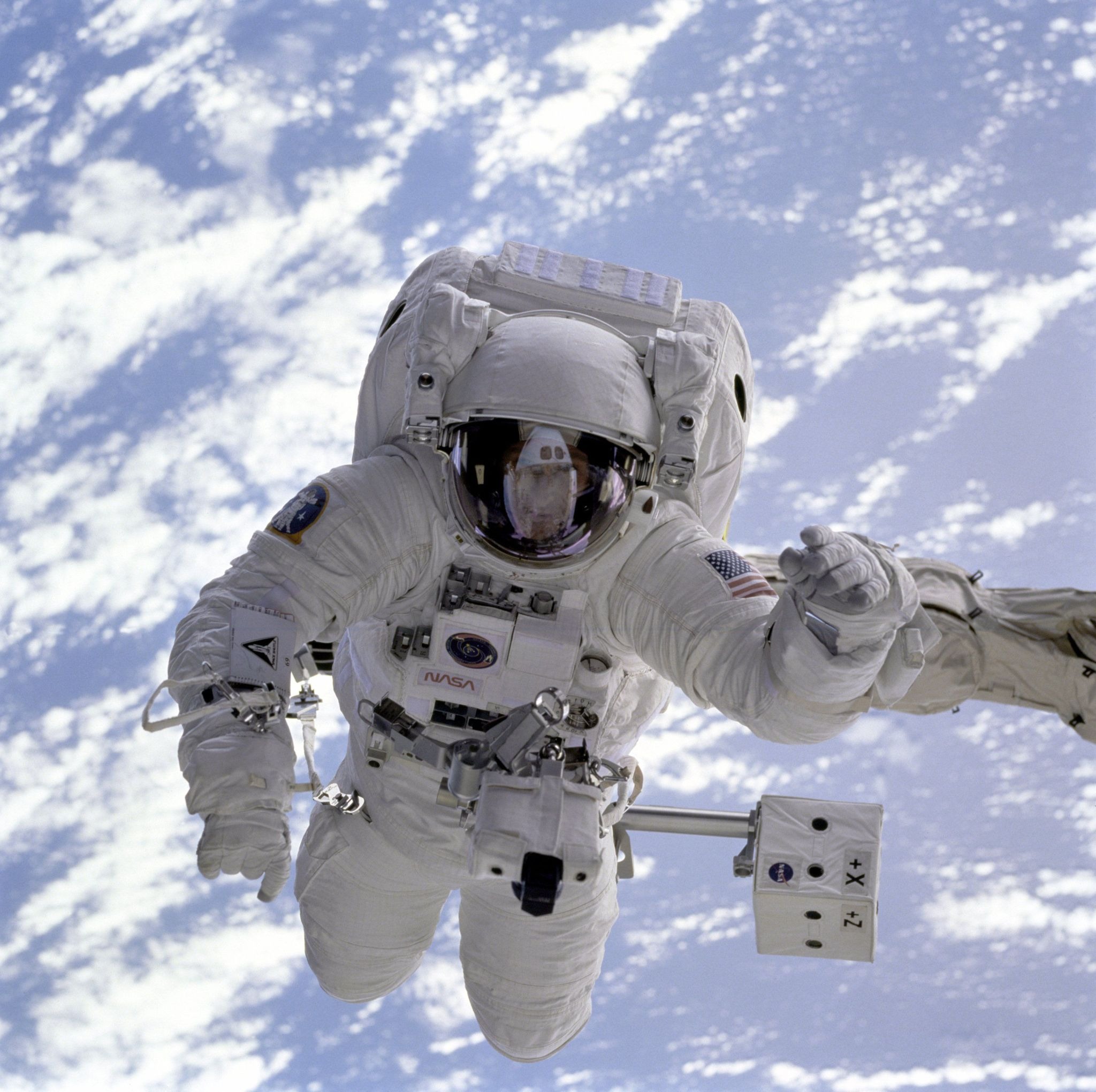
Aerospace engineering priorities frequently clash with human biology during vehicle architecture design. Spacecraft cabins demand strict volumetric optimization where physical stature introduces severe operational liabilities. Historical mission parameters established rigid boundaries on human dimensions long before modern commercial flights began. Structural payloads and pressure vessel tolerances react poorly to excessive skeletal length.
Engineers enforce maximum height ceilings to prevent catastrophic physical compromises during high acceleration phases. Tall individuals encounter physical barriers that compromise safety protocols across orbital deployment phases, forcing strict physical filtering before training acceptance. Space programs evaluate candidate dimensions against unforgiving engineering tolerances.
Does Microgravity Alter Spinal Anatomy During Long Missions?
Weightlessness removes compressive gravitational forces from human anatomy, permitting intervertebral discs to expand significantly. This causes astronauts to grow up to three percent taller during flight.
Triggers For Intervertebral Disc Expansion
Unloading axial skeletal weight permits fluid imbibition within the gelatinous nucleus pulposus. Without continuous gravitational load, spinal columns stretch by several centimeters, altering center-of-mass dynamics across the upper torso and creating severe calibration challenges for flight deck controls.
Hazards of Post-Flight Compression
Reentering planetary atmospheres while possessing an elongated spinal column places extreme stress on vertebrae. Custom-fitted launch couches fail to support extended vertebrae properly, triggering severe neural compression injuries during high-g deceleration profiles.
How Do Launch Escape Systems Threaten Tall Astranauts?
High-acceleration abort maneuvers subject the human body to intense inertial loads that scale with skeletal lever length. While microgravity during orbital flight induces up to a 6% increase in seated height due to spinal decompression, these extended dimensions introduce severe physiological challenges during high-G launch escape events.
Aerospace engineers utilize comprehensive height comparison charts and percentiles to ensure life-support and restraint systems safely accommodate extreme statures. For taller crew members, elongated vascular pathways complicate blood distribution under high-G forces, leading to unpredictable hydrostatic pressure gradients and heightened vulnerability to G-induced loss of consciousness.
Why Do Space Agencies Enforce Strict Operator Height Ceilings?
Project Mercury mission designers evaluated 500 candidates under brutal spatial constraints. Early engineers constructed single-man pressure vessels around absolute spatial economies, leaving zero tolerance for elongated limbs or broad torsos.
NASA established an initial height limit below 5 feet 11 inches for the Mercury Seven military pilots selected as the nation’s first astronauts. Dimensions dictated survival. Initial flight hardware imposed hard physical boundaries because launch vehicle fairing diameters dictated strict engineering margins. Legacy architectures cemented stature caps, avoiding redesigns. Clearance thresholds prevent helmet strikes against instrument panels during violent vehicle oscillations.
What Realities Govern Acceleration Couch Geometries?
Vehicle interior layouts require precise clearance calculations between molded seats and overhead bulkheads. Modular seating configurations stack operators vertically to maximize internal floor area. Strict spatial limits govern every millimeter. Capsule interiors feature contoured acceleration couches welded directly to primary load-bearing frames.
Elongated skeletal structures prevent proper body alignment inside these rigid molds, creating dangerous focal points during high-g thrust events. Structural bulkheads leave minimal headroom once helmet assemblies lock into place, restricting operational movement significantly across critical mission segments.
Why Do Pressure Garments Magnify Joint Torque Dynamics?
Pressure garments function as miniature anthropomorphic spacecraft, requiring immense mechanical labor to bend against internal gas pressure. Apollo-era selections established rigid thresholds capping height at 6 feet 0 inches. Torque resistance multiplies joint fatigue during orbital operations.
Extended limbs increase mechanical disadvantage, draining operator stamina during demanding extravehicular activities outside the orbital habitat. Fluid shifts compound these ergonomic failures, accelerating physical exhaustion during spacewalk deployments.
What Perpetuates Spacecraft Payload Mass Limits Untruths?
Observers frequently assume that tall applicants face rejection simply because total spacecraft mass budgets cannot accommodate extra payload weight. Propellant and structural mass allocations easily absorb minor weight variations from taller individuals.
The actual limiting mechanism involves seat geometry and dynamic crash attenuation limits. Physics dictates precise boundaries. Structural engineers prioritize kinetic energy absorption profiles that fail when skeletal levers exceed specific mathematical thresholds established through decades of rigorous crash testing.
Common Questions About NASA And Tall Astronauts
How does microgravity spinal lengthening affect launch abort safety?
Spinal elongation increases seated vertical height by over five centimeters, creating negative clearance inside stacked modular couches. Crew members face severe composite helmet impacts against upper structural bulkheads or adjacent seats during rapid acceleration spikes when initial skeletal length exceeds strict engineering margins.
What biometrics determine maximum torso length for crew capsules?
Aerospace engineers measure functional seated height, buttock-to-knee span, and biacromial shoulder breadth under strict calibration loads. These exact anthropometric dimensions establish the precise geometric envelope required for safe ingress and egress through narrow circular hatch openings during emergency orbital decompression events.
Why do launch escape systems risk long-limbed crew members?
Rapid atmospheric deceleration forces long skeletal levers against rigid five-point restraint harnesses with magnified mechanical torque. Elongated limbs experience significantly higher inertial displacement rates, dramatically increasing the probability of joint hyperextension or catastrophic skeletal bone fracture during violent ballistic separation events.