Why Central American Hospitality Projects Source Affordable Seating From US Wholesalers
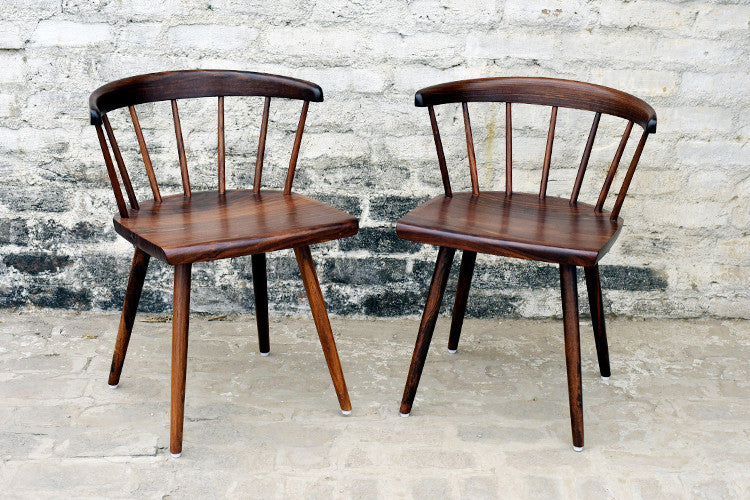
Panama’s dining and hotel sector keeps building. From the capital’s rooftop openings to beach-town boutique projects along both coasts, hospitality investment has stayed one of the economy’s steadier engines, and every one of those projects eventually faces the same unglamorous line item: outfitting rooms with seating that survives tropical service at a defensible price.
Increasingly, the purchase orders point north. Developers and restaurateurs across the region have made US commercial wholesalers a default source, with suppliers of affordable seating shipping container lots to projects that once bought locally or from Asia direct. The logic behind the shift is worth laying out, because it explains a quiet piece of how the region’s hospitality boom actually gets built.
The Specification Gap in Local Supply
The region manufactures furniture, some very good, but very little certified. What Central American workshops rarely have is commercial-grade documentation: load ratings, cycle-test findings, fire-safety certificates, and warranties written for commercial usage. A boutique hotel funding its fit-out through a lender, or an international franchise living up to brand standards, requires the paperwork as much as the goods.
Pre-certified to recognized industry standards, US commercial lines turn an artisanal gamble into an insurable specification. In the case of projects with institutional money behind them, the paperwork is the product, and procurement teams have learned to ask for it before asking the price.
The Climate Test Nobody Waives
Furniture’s endurance test is tropical service: humidity that swells joinery, salt air on coastal terraces, rainy-season mold pressure, and sun that bleaches finishes on a timetable. Here, residential-grade imports fail with surprising quickness, and every operator in the region has a story about chairs that lasted one peak season.
Commercial product made for outdoor and high-humidity use, powder-coated aluminum, marine-grade hardware, UV-stabilized resins, sealed hardwoods, was designed for just these conditions. The US wholesale catalog has deep inventory in these categories because the American Gulf and Florida markets wanted them first, and Central American purchasers inherit that engineering at catalog costs.
Landed-Cost Arithmetic
The purchase looks different once freight, duties, and lifespan enter the sheet. The comparison that matters is landed cost per year of service.
- Asia-direct product ships cheap per unit and long per lead time, with quality variance absorbed by the buyer.
- Local product avoids freight and arrives fast, without ratings or replacement guarantees.
- US wholesale lands mid-priced with certified lifespans of 7 to 10 years and reorderable inventory.
For a 120-seat project, the US option routinely wins the decade even when it loses the invoice. Panama’s logistics position sharpens the math further: consolidated container freight from Gulf ports is a short, reliable run, and the Panama canal economy keeps the country unusually rich in freight-forwarding expertise for a market its size.
Reorder Continuity as Regional Strategy
Hospitality groups here rarely build once. A concept proven in the capital expands to the beach, the second city, the neighboring country, and the furniture must follow coherently. US commercial lines are produced continuously and stocked deep, which means location two matches location one, three years apart, in the same finish.
That continuity is nearly impossible with one-off imports or artisanal runs, and mismatched expansion rooms quietly undercut brands trying to look institutional. Regional procurement teams have learned to treat reorderability as a specification in its own right, weighted alongside price and lead time in every tender the sector issues.
The Historic-District Effect
There’s a visible showcase for all this in the region’s restored quarters, where heritage buildings host modern hospitality. Districts like Casco Viejo pair colonial shells with contemporary interiors, and the pairing demands furniture that photographs like heritage while performing like equipment: heavy wood silhouettes, rattan and bentwood looks, all in commercial grades that tolerate tourist volume.
The US wholesale market, serving America’s own historic-district hospitality for decades, carries exactly this inventory. It is the niche where the sourcing trend is most visible to any visitor: the room looks hand-me-down Spanish, and the chair under the visitor is rated, warrantied, and three months old.
What the Trend Says About the Sector
Sourcing patterns are development indicators in miniature. When a region’s hospitality projects start buying certified, warrantied, reorderable furniture at scale, it signals institutional money, brand-standard operators, and decade-horizon planning, all of which describe Panama’s current wave more with each season.
The chairs, in other words, are evidence. The region’s hospitality economy is furnishing itself like an industry that expects to be judged internationally and intends to still be standing, and seating guests comfortably, ten high seasons from now.
For local suppliers, the trend is a challenge with a map attached: certification, documentation, and continuity are the gaps to close, and the first regional workshops to close them will find a market already trained to pay for the paperwork. Until then, the purchase orders heading north are simply confidence, written in freight. Watch the container manifests, in other words, and you can read the sector’s five-year forecast long before any ministry publishes one. The next chapter is loading at the ports: more rooms, more seats, more paperwork, and a hospitality sector furnishing itself for the decade it intends to own.