Curundú, Panama City: From the Training Field to the World Cup
By Linda Garziera, economics student at Duke University.
Like most people around the world, I decided to subscribe to a sports streaming platform at the onset of the 2026 World Cup. Without much knowledge on the topic, I compared different options:
ESPN Unlimited: $29.99/month
Peacock Premium Plus: $16.99/month
FurboTV: $45.99/month
Youtube TV: $64.99/month
For me, likely to only use the subscriptions for the summer, it would amount to some thirty dollars of TV. Is that a lot? A seasoned traveler, I felt torn. On one hand, that’s about six coffees in the USA; nothing; on the other hand it’s an emergency doctor’s visit in France, it’s fifteen tacos from a kiosk in Mexico City, it’s four nights in a humble hostel in the Dominican Republic.
UNICEF has historically used the $30 budget as a standard of comparison. A two-month sports channel subscription can fund 115 polio vaccines, can buy purification tablets for 23,530 litres of clean water after an earthquake, can buy 736 pencils for displaced children, and can fund 55 sachets of peanut paste to treat malnourished children.
In my experience, $30 is enough to buy 12 pairs of socks, 6 pairs of soccer cleats or 20 bottles of water in Panama City. My two-month subscription, bought on a whim, is a lifeline for many organizations, institutions and people.
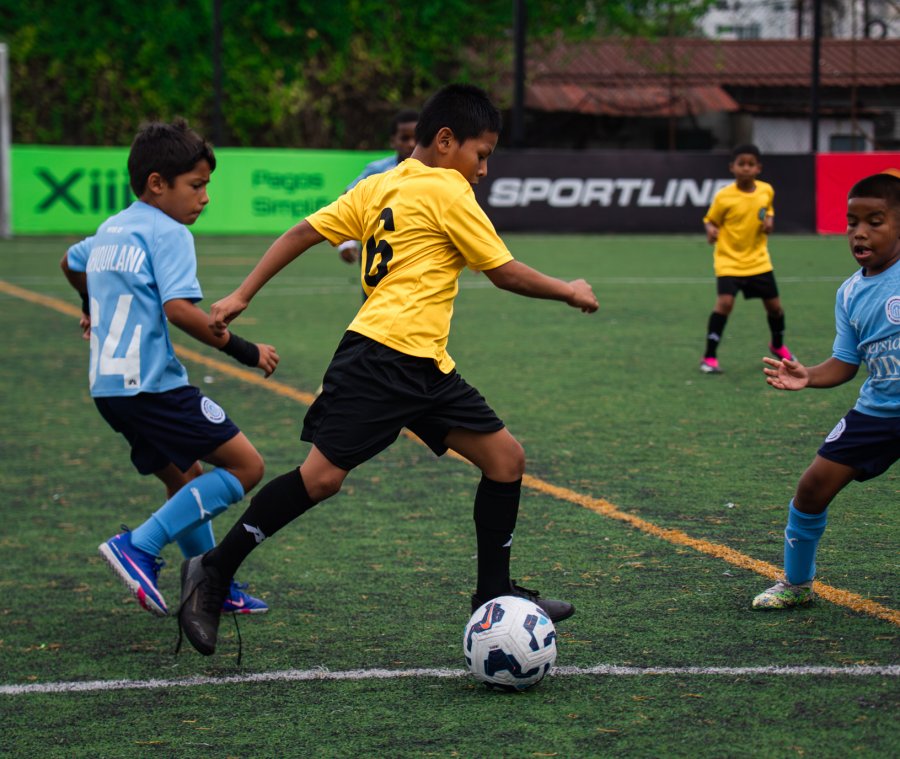
Last year, I worked as a fundraising consultant for Asociación Deportiva Curundú (ADC), a non-profit based in Panama that provides sport, education and nutrition opportunities to underprivileged youth in Panama City. The club, founded and run by Andrés Madrid and César Santos—two former soccer players—is another outlier.
Madrid and Santos started the club before they turned twenty. Growing up in Curundú, an Afro-Panamanian neighborhood in the heart of Panama City, Madrid and Santos were familiar with the racial and economic segregation.
The barrio is known for its poverty and hardships. When Madrid and Santos went to elementary school, there were teacher shortages and they had to share textbooks with other kids. Near Madrid’s childhood home, the Panamanian government started—and then abandoned—plans to build a health clinic for 16,000 low-income residents in the area. To this day, Curundú’s only health center can only accommodate two doctors and ten visits per day for the whole of the district’s population.
I was one of nine students from Duke University who volunteered with the organization last summer through the Duke Engage program. While in Panama City, I witnessed a tension between Curundú and the rest of the city first-hand. There was contrast all around me, between the abandoned health clinics and a skyline of luxury hotels. The contrast of how people treated us—foreigners, English-speakers—versus their own neighbors.
It took me a while to find my ground in Panama, but I also kept hearing good things. Like how just in front of Madrid’s home, the government had built a new football stadium. I wonder what projects were sacrificed for that to happen.
The reality is that many Panamanian neighborhoods like Curundú suffer from neglect. Many are stigmatized and are suffocated by negative stereotypes, all of which keeps locals and visitors out.
The rich and poor in Panama City are as divided as the two sides of a football stadium.
By flooding less wealthy neighborhoods with “Keep Out” warnings, artificial barriers are created. Even after months of working with ADC—of sharing dinners with its founders, of playing with the kids, of exploring the neighborhood—uber drivers and bus drivers would still caution our Duke Engage group about Curundú.
The structural obstacles the neighborhood faces are real. We saw them. But these narratives extinguish the colorful community of Curundú that met me last summer.
Carols Hernandéz (Racing Club de Montevideo), Abdul Morales (CAI de la Chorrera), Davis White (CSD Municipal Guatemala), Moises Guerra (Tauro FC) are a few of ADC’s alumni who continue to inspire kids of Curundú and form a legacy for the neighborhood outside of its borders.
Andrés Madrid and César Santos are not just coaches. They’re known in the neighborhood for their commitment to the young people of Panama City. For twelve years they’ve organized fundraisers, sourced uniforms, coached football, and created economic opportunities for other kids in the area, all mostly without getting paid. Recently, Madrid was invited as a speaker at the Inclusión Social y Desarrollo Juvenil a través del Fútbol, Goles que Cuentan conference, hosted by the British Embassy in Panama City. This event was a testament to their continued leadership and mentorship to the young people of Curundú on and off the field.
Duke Engage spent two months building a relationship with the people of Curundú. We showed up to games, refilling water bottles on the sidelines while reaching out to sponsors who wanted to support the organization. Some may have thought it crazy. How could we root for Curundú and Panama together? Some may also think it’s crazy that kids from Curundú are achieving such incredible things.
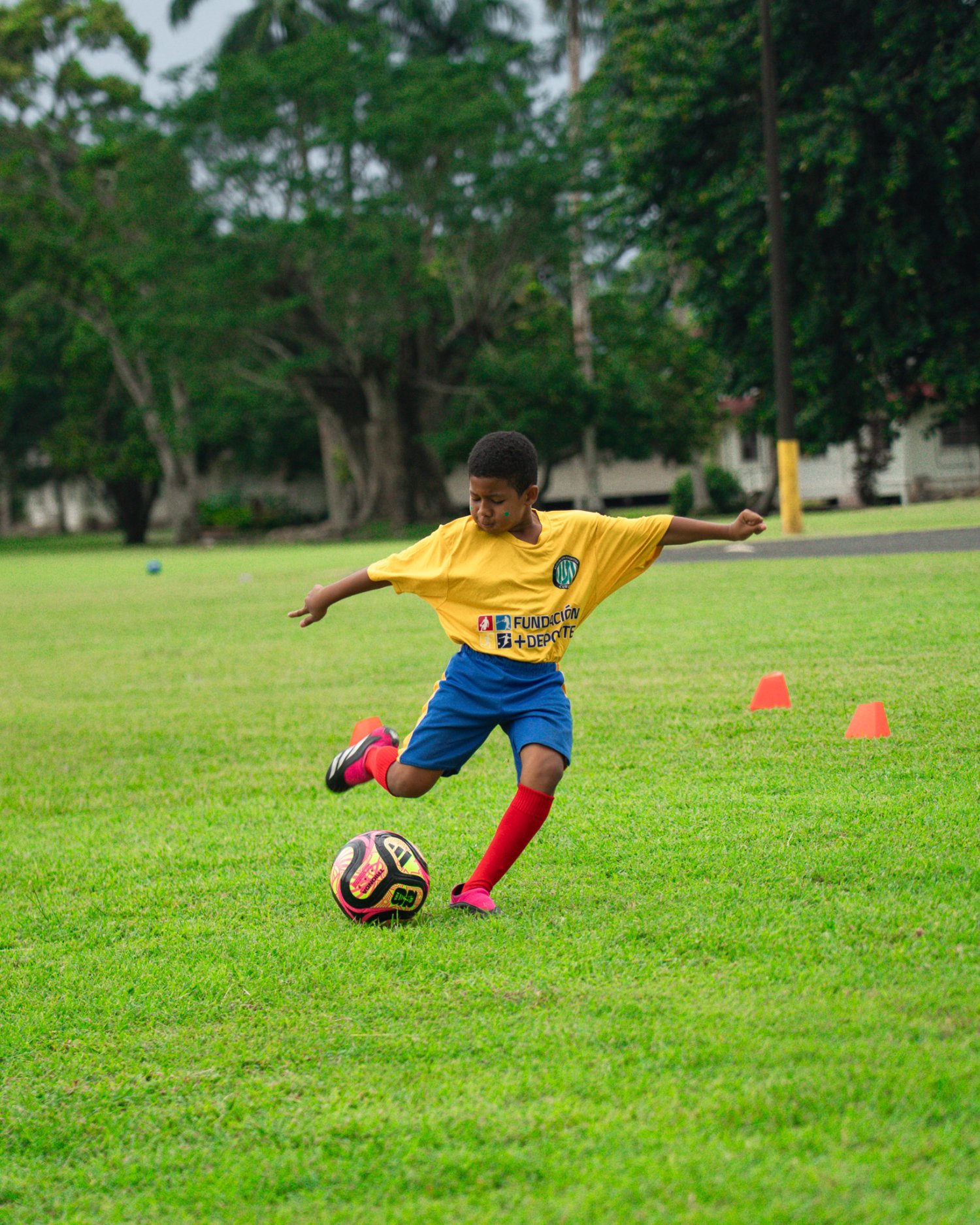
But should we be so surprised?
This summer marks only the second year of Duke Engage’s partnership with ADC. It marks twelve years since the club’s founders have started showing up for the kids of Curundú and
Panama City. With ADC, these children get to have a chance. They reclaim their roots and uplift the community from the inside out.
For Madrid and Santos, it’s not just about football. It’s about teaching kids to work together and work hard every day on the field, even when the field is not a field but a courtyard, or an empty street. Last year, I wrote about ADC’s resilience. I said ADC is reversing expectations by taking the first step—to believe—despite external pressures from their community.
And no one knows how to do this better than the kids of Curundú. They are kind, welcoming and full of passion. They also know what it feels like to be on the other side of the fence.
Against all odds, ADC continues to bet on the outliners. They make unlikely ties last. They keep showing up for one team, one cause, even if it’s just eleven kids in a city of 2 million.
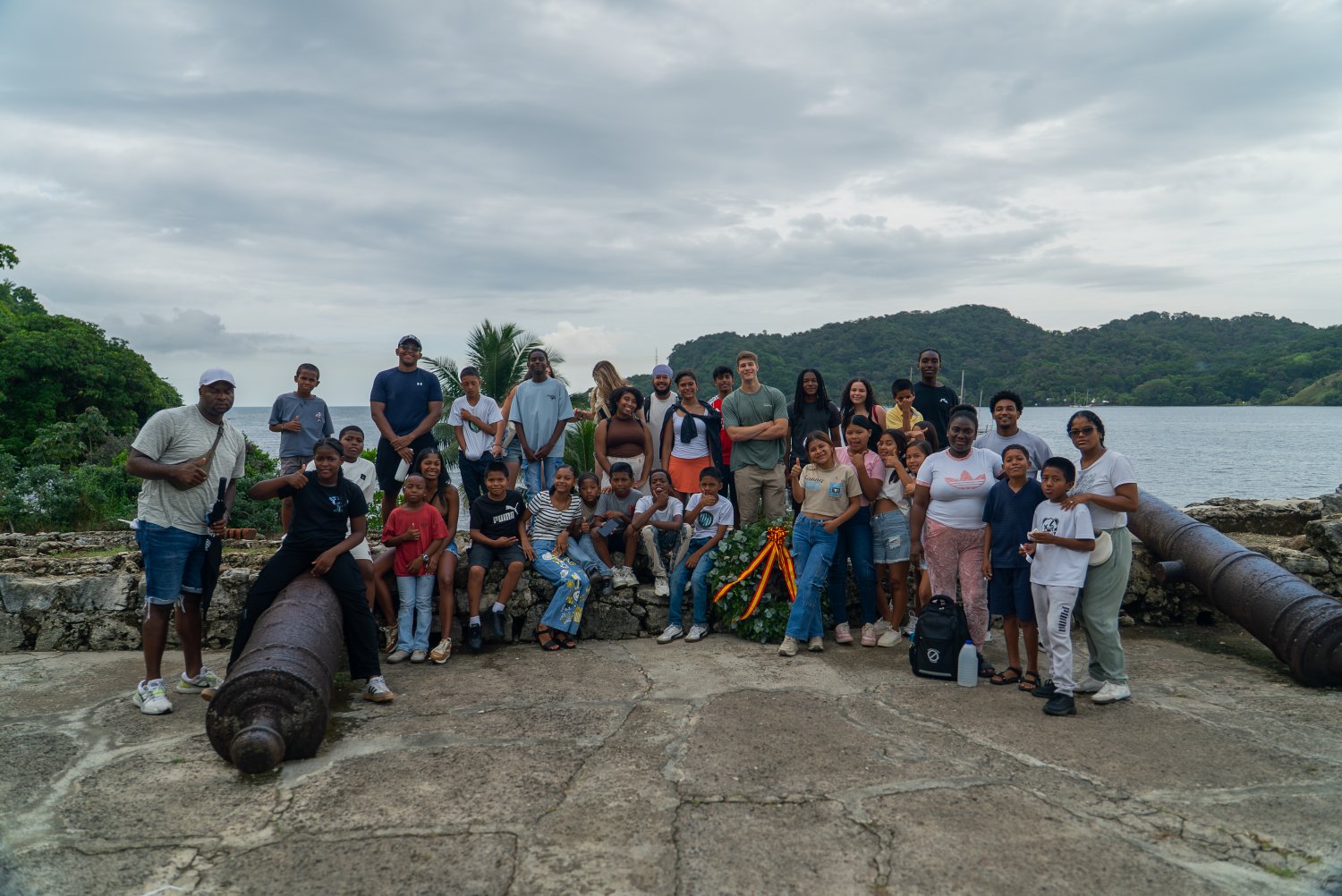
This summer, we’re aiming to raise $30,000 to fund next year’s programming for ADC. We want to mentor more kids, and support ADC operations. As you buy your World Cup subscription or go out to see the next game, consider making matching a donation to ADC.
And this summer, as you watch the national teams take over the field, take a moment to picture all your neighbors. To picture all the unlikely teams and rivalries forming all around your home. Think of the coaches, families and kids who are watching alongside you, cheering for the same goals and the same wins, hoping one day they’ll be the ones playing.
DukeEngage is a 2007 Duke University program which connects students with local nonprofit organizations for a meaningful summer. Dr. Javier Wallace, professor of African and African American Studies at Duke University, spearheaded the Duke Engage Panama program in 2025, which is how myself and eight other Duke students started working with Asociación Deportiva Curundú. More students and supporters have since joined the ADC mission. If you’re interested in supporting ADC’s mission, please explore their website here, their GoFundMe here, or their Instagram.
_____________________________
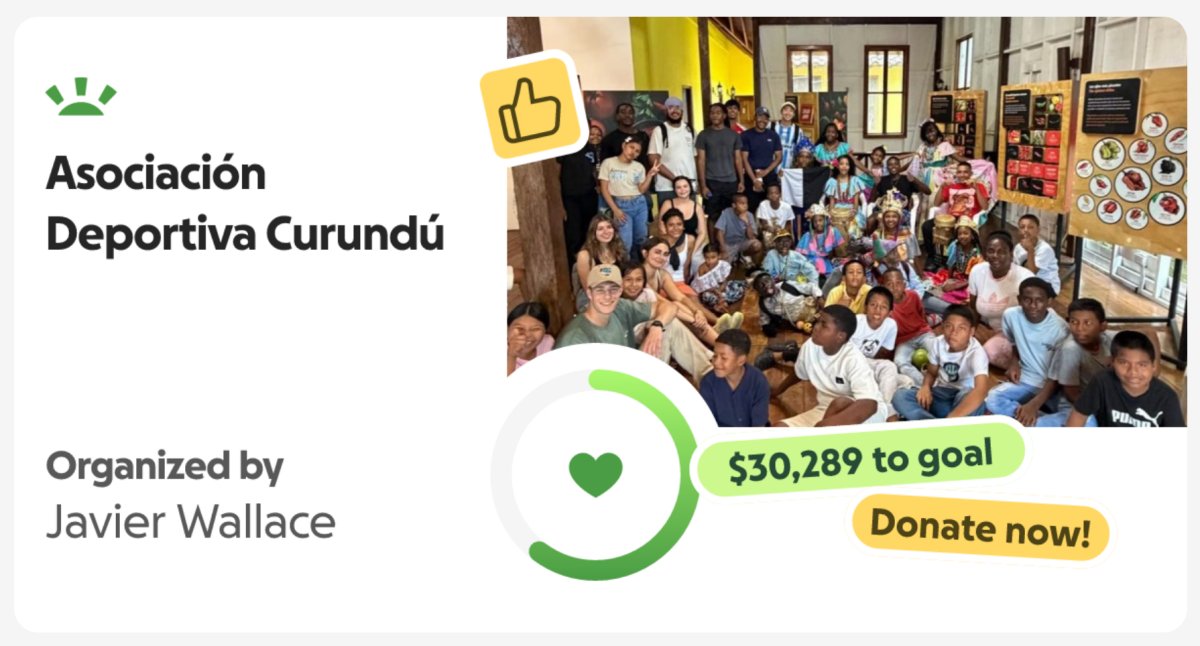
From Asociación Deportiva Curundú (ADC): More than five ADC alumni have gone on to represent Panama’s national selections, with others playing abroad. But we still face everyday challenges — field rentals, equipment, uniforms, and transportation, since ADC has no field of its own.
Your donation strengthens this grassroots movement and helps us keep training, dreaming, and building change, starting right here in Curundú.
Your Impact & Why Your Donation Matters:
• $37/month — Keeps one child on the field by helping cover coaching, transportation, league participation, and essential gear.
• $441 — Sponsors one child’s complete soccer season, ensuring access to training, competition, and mentorship for an entire year.
• $914 — Provides full support for one child for 12 months, including soccer programming, educational support, and meals.
• $2,500 — Helps fund official uniforms and technical equipment used throughout the season.
• $10,800 — Provides a full year of safe transportation to practices and matches — ADC’s largest operational expense.