On This Day in Panama History June 30th 1987
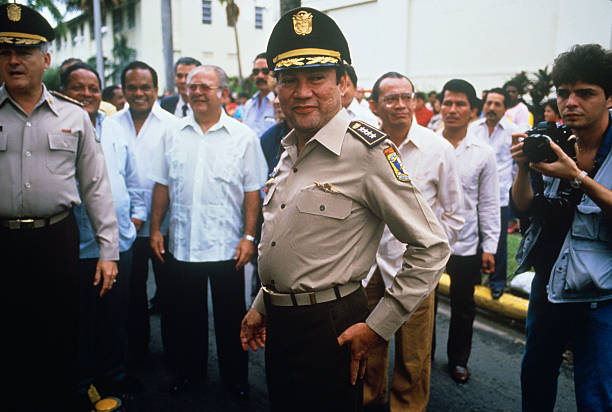
Panamanian dictator Manuel Noriega at a ceremony commemorating the death of the national hero, Omar Torrijo, in Panama City. (Photo by © Bill Gentile/CORBIS/Corbis via Getty Images)
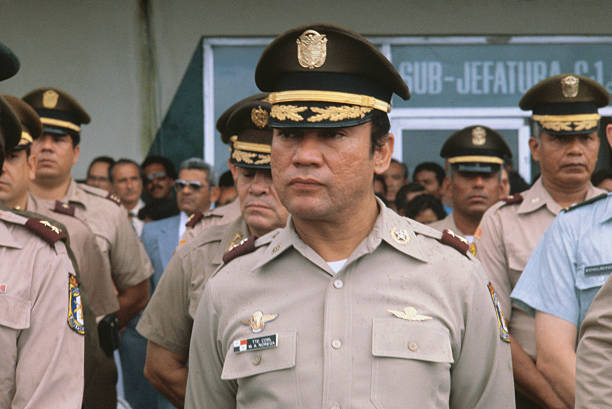
On June 30, 1987, Panama was in the grip of a major political crisis and civil unrest directed at the de facto military ruler, General Manuel Noriega. Nationwide protests—spearheaded by the Civic Crusade opposition movement—were met with rising state repression, a suspended constitution, and strict press censorship. [
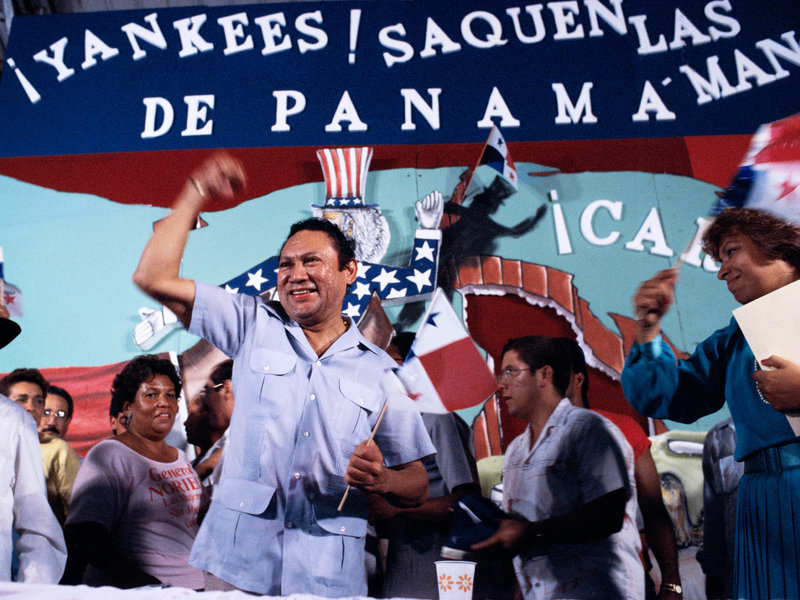
On this specific day, tensions with the United States escalated sharply following a pro-government resolution calling for the expulsion of U.S. Ambassador Arthur Davis. An estimated 500 government-backed demonstrators violently attacked the U.S. Embassy and U.S. Consulate in Panama City. Protestors vandalized buildings, spray-painted anti-American slogans, and threw stones and paint at the embassy.
Key Developments on this Date Included:
- The U.S. Embassy Attack: Demonstrators targeted both the embassy and nearby consulate, accusing the U.S. of orchestrating domestic protests against Noriega.
- Lifting of the State of Emergency: On the same day, the Panamanian Legislative Assembly lifted a 21-day state of emergency that had been used to restrict civil liberties, though protests and riots immediately continued.
- Diplomatic Fallout: The attack prompted the U.S. to issue strong diplomatic protests and demand compensation, leading to the total suspension of American economic and military assistance to Panama later that year.