After the Devastating Earthquakes in Venezuela, Capac Urges Strengthening of Structural Safety in Panama
The business organization calls for strict compliance with Panama’s Structural Regulations and emphasizes that construction quality is a vital responsibility.
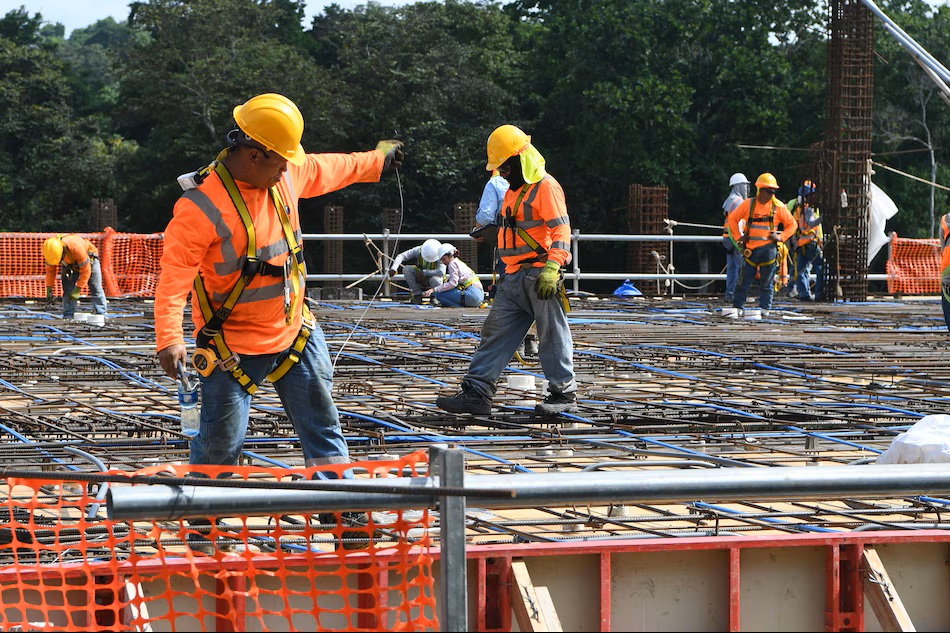
Following the tragedy caused by the earthquakes in Venezuela, the Panamanian Chamber of Construction (Capac) issued a call this Tuesday to strengthen structural safety in Panama and to strictly comply with the country’s building regulations. The Capac expressed its full solidarity with the Venezuelan people and with the families affected by the loss of life and building collapses, while reminding the public that Panama shares a geographical reality of high seismic activity due to its exposure to various tectonic plates and active geological faults, such as the Pedro Miguel Fault, which has been extensively studied since the Panama Canal expansion works.
The Pedro Miguel Fault is a seismically active, right-lateral strike-slip fault in central Panama that runs directly beneath the Panama Canal and poses a significant seismic hazard to the region, including nearby Panama City.
Key Characteristics
- Location: The fault extends approximately through central Panama, passing within kilometers of Panama City (home to over a million residents) and intersecting key components of the Panama Canal infrastructure, such as the Pacific Access Channel and the Borinquen Dam.
- Type of Fault: It is a right-lateral strike-slip fault that accommodates tectonic deformation caused by the collision between the Central American and South American tectonic plates.
- Slip Rate: Geologic studies indicate a Holocene slip rate of about 5 to 6 mm per year.
Seismic History & Hazards
- Historical Earthquakes: The fault is responsible for the devastating May 2, 1621 earthquake that partially destroyed the original Panama City (Panamá Viejo). Paleo seismic trenching reveals that the fault has sustained at least three major surface ruptures over the last 1,600 years, typically generating large-magnitude earthquakes in the magnitude-7 range.
- Multi-Fault Ruptures: Studies suggest that the Pedro Miguel Fault has the capacity to rupture simultaneously with the neighboring Limón Fault. When these faults fail in unison, it triggers longer and larger earthquakes that pose a severe shaking threat to the canal and the capital.
- Displacement: Past ruptures on the fault have resulted in significant lateral ground displacement, historically causing horizontal shifts of up to 3 meters.
Impact on the Panama Canal
Due to its immediate proximity to the waterway, geologists and engineers have conducted extensive paleo seismic trenching along the fault to ensure canal structures—including the expanded lock system and Borinquen Dam—are designed to withstand substantial seismic shaking. While no critical structure sits directly on the primary fault trace, the infrastructure remains exposed to significant ground acceleration during a major rupture.