Hot Tubs as a Home Wellness Investment: What to Consider Before You Buy
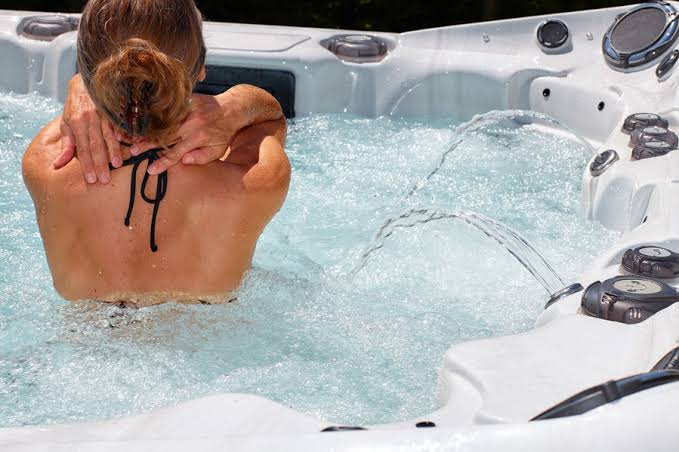
The perception of hot tubs has shifted considerably over the past decade. Where they were once associated primarily with indulgence or a specific kind of 1980s aesthetic, they are increasingly understood as a practical addition to a home designed around wellness and recovery. The reasons for that shift are grounded in what consistent hydrotherapy access actually provides, and they are more substantive than the luxury image suggests.
Regular use of a hot tub at home has documented benefits for muscle recovery, sleep quality, and stress reduction. The combination of warm water immersion, buoyancy, and jet-based massage affects the body in ways that accumulate with consistent use. For active people, athletes, or anyone with chronic muscular tension or stress, having that access at home rather than needing to book a spa visit changes how regularly they actually use it.
How Hydrotherapy Works
Warm water at the temperatures used in a hot tub, typically between 36 and 40 degrees Celsius, causes blood vessels to dilate and improves circulation. Increased blood flow to muscles accelerates the removal of metabolic waste products that accumulate during exercise and contribute to soreness. The buoyancy of water reduces the load on joints by supporting around 90 percent of body weight, which allows muscles and tendons to relax fully in a way that is difficult to achieve on land.
The jet systems in quality hot tubs direct targeted pressure to specific muscle groups, providing a form of mechanical massage that reduces tension in the back, shoulders, and legs. Used consistently in the evening, this combination of warmth and pressure has a measurable effect on the ease of falling asleep, with research supporting links between passive body warming and improved sleep onset.
Choosing the Right Model
The range of hot tubs available spans from entry-level inflatable units to fully fitted acrylic or rotomoulded shells with comprehensive jet systems and digital controls. The right choice depends on how the tub will be used, where it will be sited, and how much ongoing maintenance the owner is willing to manage.
Plug-and-play models require only a standard electrical outlet and can be positioned almost anywhere outdoors. Hardwired models deliver more power, more jets, better heating efficiency, and longer operational lifespans, but require a certified electrician to install. Seating capacity, jet configuration, and cover quality all affect the day-to-day experience and the running costs.
Site preparation is an important consideration that is often underestimated. A fully filled hot tub is extremely heavy, and the surface it sits on must be capable of bearing that load evenly. A reinforced deck, poured concrete slab, or purpose-built base is typically required. Checking this requirement before purchasing avoids costly remediation work after delivery.
Running Costs and Maintenance
Modern hot tubs are considerably more energy-efficient than older models. Effective insulation in the cabinet and cover, variable-speed pumps, and smart heating schedules reduce electricity consumption significantly. The ongoing cost is real but manageable, and suppliers who are transparent about projected running costs in different climate conditions make it easier to budget accurately.
Water maintenance involves balancing pH and sanitiser levels regularly, draining and refilling the tub every three to four months, and cleaning filters on a scheduled basis. This is not technically complex, but it does require consistency. Most owners find it straightforward once a routine is established.
Frequently Asked Questions
How much does a hot tub cost to run each month? This varies by model, climate, and usage, but a modern well-insulated hot tub typically costs between £30 and £80 per month in electricity in the UK, with higher consumption in colder months.
Do I need planning permission for a hot tub? In most cases in the UK, no. A hot tub placed in a back garden generally falls under permitted development. Planning permission may be needed if the property is listed or in a conservation area.
How often should I drain and refill the water? Every three to four months is the standard guidance, though this depends on bather frequency and water care habits.
Can a hot tub be used in winter? Yes. Hot tubs are designed for year-round use and are particularly valued in colder months. A good cover and well-insulated cabinet maintain water temperature efficiently even in low ambient temperatures.
How long does installation take? Site preparation and delivery typically take a few days to a week to coordinate. Once the tub is in position, a plug-and-play model can be operational the same day. A hardwired model requires an electrician visit, which adds a day or two.