How to Set Up Zones for a 4 Zone Mini Split for Better Comfort
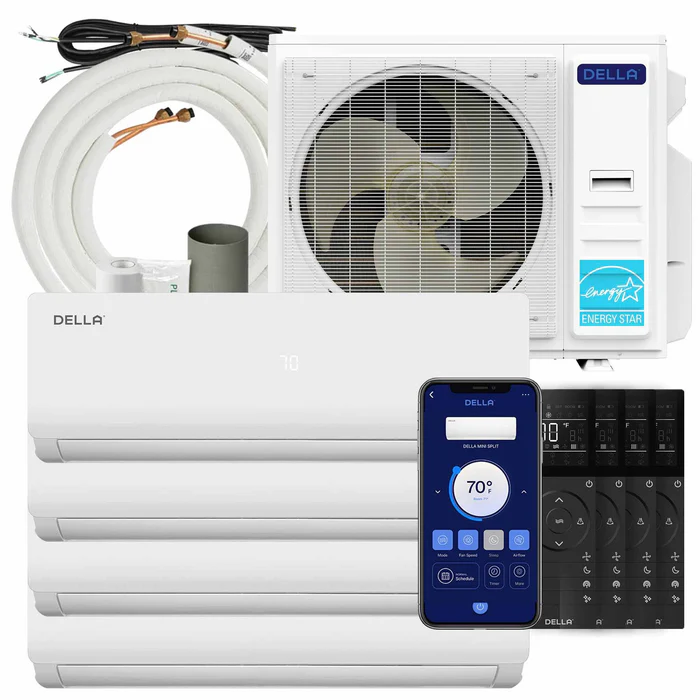
Achieving consistent comfort in a home with multiple rooms or levels often requires more than a standard cooling approach. Temperature differences between spaces, varying usage patterns, and uneven airflow can all make it difficult to maintain a balanced indoor environment.
Modern systems such as a mini split AC provide a more flexible way to address these challenges by allowing cooling to be directed where it is needed. When applied in a multi-zone setup, this approach becomes even more effective, offering greater control and improved energy efficiency across different areas of the home.
Identifying Cooling Needs Across Different Areas
An effective zoning strategy begins with a careful assessment of how each area of the home is used. Living rooms, bedrooms, and workspaces often have different cooling demands based on occupancy and time of use. Treating all areas the same can lead to uneven comfort and unnecessary energy use.
Environmental factors also need to be considered. Rooms exposed to direct sunlight tend to heat up faster, while shaded or lower-level spaces may remain cooler. Identifying these differences helps ensure that cooling is distributed based on actual conditions rather than a single setting.
Defining Effective Zones for Balanced Temperature Control
Once these factors are clear, the next step is dividing the home into zones that reflect real usage patterns. A 4 zone mini split system allows each area to be controlled independently, which helps avoid overcooling spaces that are not in use.
In many homes, zones are typically organized by function or level, such as separating living areas from bedrooms or dividing upper and lower floors. A well-structured 4 zone mini split setup ensures that each space receives the appropriate level of cooling without unnecessary overlap.
Matching Each Zone to Usage Patterns and Room Functions
Aligning zones with daily routines further improves system performance. Bedrooms may require cooling at night, while living areas are more frequently used during the day. With a 4 zone mini split, these differences can be managed without running all zones simultaneously.
This targeted approach allows the system to operate more efficiently. By focusing cooling where it is needed at specific times, a 4 zone mini split system reduces overall energy consumption while maintaining consistent comfort throughout the home.
Optimizing Airflow and System Performance in Each Zone
Airflow plays a key role in ensuring that each zone performs as intended. Indoor units should be positioned to allow air to circulate freely, avoiding obstructions that could disrupt distribution. Poor airflow can lead to uneven temperatures even when zoning is properly planned.
System settings and maintenance also contribute to performance. Clean filters and unobstructed vents help maintain efficiency, allowing the 4 zone mini split to operate smoothly across all areas. Proper airflow management ensures that each zone maintains its intended temperature.
Key Considerations for Long-Term Comfort and Efficiency
Long-term performance depends on both the initial zoning strategy and how the system is used over time. A well-planned 4 zone mini split system should be flexible enough to adapt to changes in occupancy or room function without requiring major adjustments.
Regular maintenance and thoughtful operation are essential to sustaining efficiency. When properly managed, a 4 zone mini split can provide reliable comfort across multiple areas while minimizing energy waste and maintaining consistent performance.