Panama Scientists are Surprised by a Rare Salamander Find in Colón
The discovery marks a new scientific record that puts the province of Colón on the map.
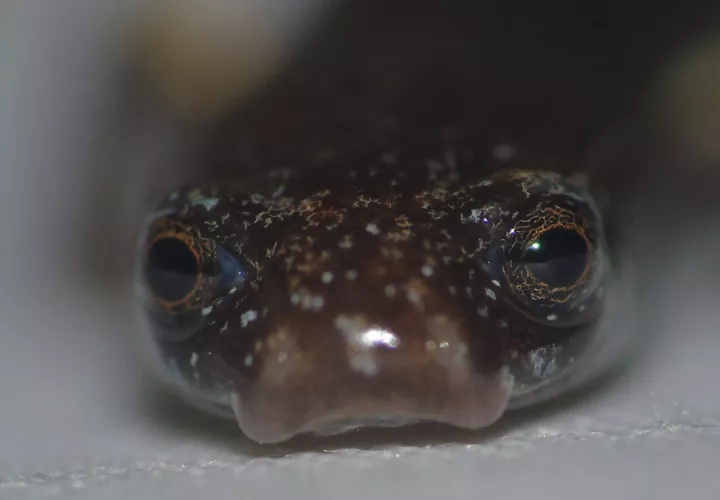
A team of Panamanian biologists confirmed for the first time the presence in the country of the worm salamander Oedipina berlini, a species that until now had only been reported in Costa Rica, which represents an important advance for the knowledge of the biodiversity of Panama. The discovery marks a new scientific record that puts the province of Colón on the map. The discovery, published in the Latin American Journal of Herpetology, extends the known distribution of this species by approximately 371 kilometers to the southwest.
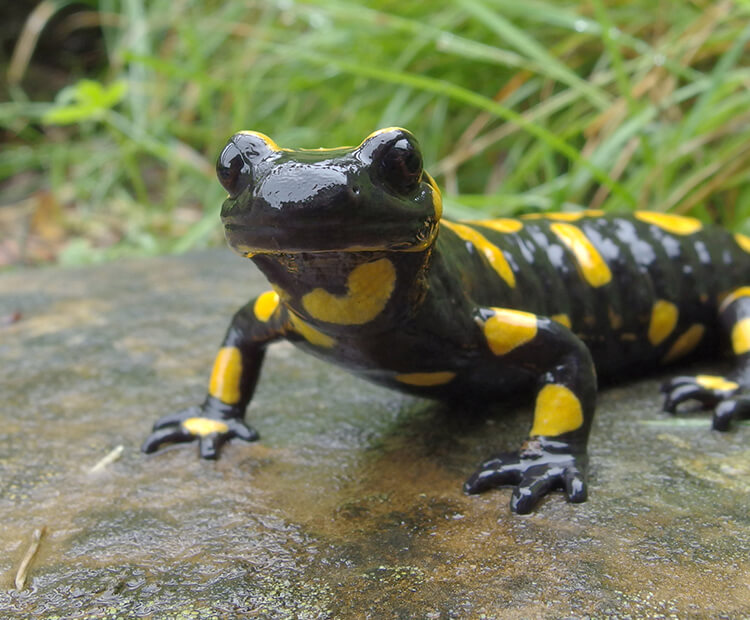
The research was conducted by specialists affiliated with the Biological Association of Panama (ABIOPA), the University of Panama, and other research centers, solidifying Colón’s position as a key scientific hub in the region. The Oedipina berlini salamander is small in size, with subterranean habits and elusive behavior. Specimens were observed at night, between 7:00 pm and 9:00 pm, primarily after rain, in areas of tropical rainforest near streams in the Gatun Lake Recreational Area.
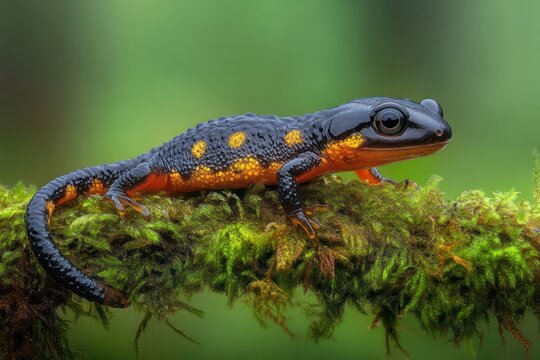
This record not only confirms the species’ presence in the country, but also raises the possibility of more undocumented populations in Central America. The area where the discovery was made is key to environmental balance, although it faces threats such as habitat fragmentation and human pressure. Researcher Manuel Walter-Conrado highlighted that this discovery demonstrates that there are still species to be found in the country and that Colón has a high scientific potential, driven by the work of young people committed to conservation.