Cross-Border Payments in Panama: What Residents and Expats Need to Know
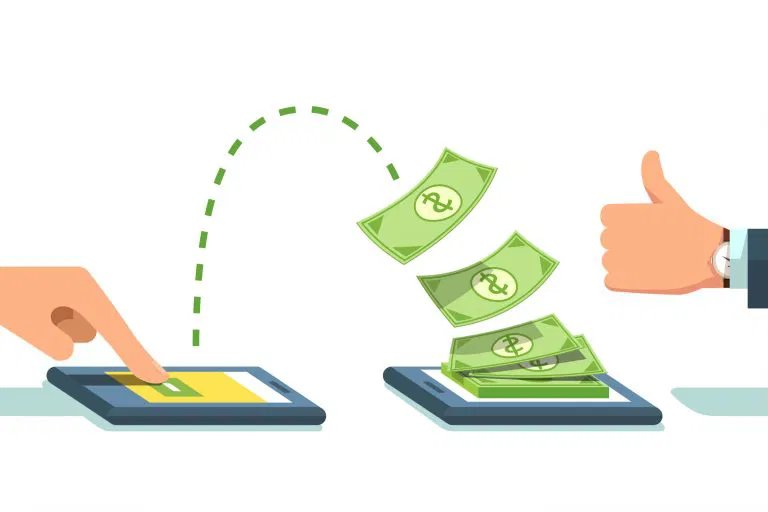
Guest Contribution – Living in Panama often means dealing with international payments as part of everyday life. A salary might come from a U.S. employer, a supplier might be based abroad, or an investment account might sit in another country. It can get messy quickly, even when the money itself is in U.S. dollars.
That part surprises people. Panama’s position as a regional financial center means residents and expats often handle cross-border transactions on a regular basis, and the menu of options is wide, from traditional bank wires to newer digital wallets. Using the U.S. dollar removes one layer of friction, though it doesn’t get rid of fees, delays, or compliance paperwork.
The costs show up in more than one place. A transfer can pick up charges from the sending bank and the receiving bank, and currency conversion adds another expense if a payment doesn’t stay in dollars. Timing also varies. Some transfers land the same day; others take several business days.
And then there’s the recordkeeping side of it. E-wallets and online payment processors can move money faster than banks in some cases, and they often provide cleaner transaction histories, which makes budgeting, bookkeeping, and tax prep a little easier.
Payment Methods Available in Panama
For larger amounts, bank transfers still do a lot of the heavy lifting. Local banks such as Banco General and Banistmo connect to SWIFT, the global messaging network banks use to route international transfers. Panama’s banking sector also has a strong private banking presence, which helps explain why cross-border banking services are such a normal part of life there. Outgoing international wires often cost $25 to $50, and the receiving bank may charge its own fee as well. Transfers to North America and Europe commonly clear in two to three business days.
Cards are a simpler fit for smaller purchases. Most Panamanian banks issue Visa or Mastercard products that work abroad, and foreign transaction fees usually fall between 1% and 3% of the purchase amount. Some premium cards drop those fees, though the annual fee on the card itself is often higher.
Digital wallets such as PayPal, Skrill, and Neteller are common for both personal and business payments. They’re handy if you want detailed records or need to move smaller sums without paying a wire fee every time. Common features include:
- Holding balances in multiple currencies
- Sending international transfers at a lower upfront cost than many bank wires
- Downloadable transaction histories for accounting
- Faster processing for many person-to-person transfers
There are limits, though. Withdrawals can be less flexible, and plenty of Panamanian merchants still don’t accept these services.
Crypto comes up too, especially for people already comfortable with it. Some businesses in Panama accept Bitcoin and other digital currencies, and transfers can settle quickly once they’re confirmed on the blockchain, a shared digital ledger that records crypto transactions. Panama’s regulatory framework for crypto-related activity is still developing, which can affect pricing, taxes, and reporting.
Security Considerations for International Transactions
Fraud protection depends a lot on how the payment is sent. Credit cards usually offer the strongest consumer safeguards. If an unauthorized charge appears, cardholders can dispute it, and many issuers provide provisional credit while the claim is reviewed.
Debit cards are tougher because the money leaves the account right away. Wire transfers are tougher still. Once a bank wire has been sent, the room to reverse it is limited, so sending funds to the wrong account or to a scammer can be difficult to fix.
A second check helps here. Before a wire goes out, recipient details are best confirmed through another source, such as a verified invoice, a known phone number, or a previous payment record. Account numbers and routing details are also worth reviewing one more time before approval.
Digital wallets sit somewhere between cards and wires. Many platforms watch for suspicious activity and offer buyer protection for some purchases, but the details change by region and transaction type. Chargeback rules, dispute procedures, and account holds can differ more than people expect.
Two-factor authentication is a simple extra layer. It adds a second verification step, usually a short-lived code sent to your phone, before someone can access the account.
Cost Comparison and Processing Times
A flat fee changes the math. Wire transfers often make more sense for larger amounts because the fee usually stays the same even as the transfer size grows. A $5,000 international wire with $40 in fees works out to 0.8% of the payment. At $50,000, that same $40 fee drops to 0.08%.
Digital wallets often scale the other way. A $100 transfer that costs $4 comes out to 4%, and a $5,000 transfer at that same rate would cost $200. For smaller, repeated payments, that pricing structure can still be practical. For larger transfers, it gets expensive fast.
Speed matters too, especially if a payment is tied to payroll, rent, or a supplier invoice:
- Digital wallets often process within hours, depending on the service and funding method
- Bank wires usually take one to three business days
- Cryptocurrency transfers can confirm quickly, though both sides need compatible wallets and a clear way to price the payment
Exchange rates add another cost that’s easy to miss. Banks and processors often apply a markup to the rate shown on financial news sites. A rate that’s 2% to 4% worse than the mid-market rate, the midpoint between the buy and sell rate, can change the final amount in a noticeable way. Some specialized services, such as Wise (formerly TransferWise), say they offer rates closer to that mid-market number.
What This Means for Regular Users
The right payment method usually depends on the size, frequency, and purpose of the transfer.
A few common patterns stand out:
- Regular salary deposits from a U.S. employer may fit bank wires because the fees are predictable and the amounts are often large enough to absorb a flat charge
- Freelancers receiving many smaller payments may lean toward digital wallets instead of paying wire fees again and again
- Businesses selling to customers abroad may keep more than one payment option available, then rely on consistent records to make reconciliation easier
That comparison tends to lead to another question: how can you tell which services are clear about fees, withdrawal rules, processing times, and dispute options?
One practical way to judge that is by looking at how regulated online businesses present their payment details. A Canadian casino comparison platform is one example of a site that lays out withdrawal methods, typical processing times, and fee structures in a clean side-by-side format. Even outside that specific category, the disclosure style gives a useful example of what transparent payment information looks like.
Looking Ahead
Panama’s payment options will keep shifting as new services enter the market and the rules around them change. For residents and expats, the more useful approach is usually the simple one: compare the full cost, including exchange-rate markups, know how long each method usually takes, and stick with options that match the level of risk involved.
If international payments are a regular part of your routine, a short checklist helps. Fees, settlement time, recordkeeping, and the dispute process can all affect the final result, and keeping those four points in view makes day-to-day transactions easier to manage.
________________________________________________________________________________________________________________
Advertisements placed in our Guest Contribution sections are in no way intended as endorsements of the advertised products, services, or related advertiser claims by NewsroomPanama.com, the website’s owners, affiliated societies, or the editors. Read more here.