The District of Boquete Panama is Celebrating its 115th Anniversary of Foundation on April 11 of 2026
The official celebrations are scheduled to include major community events such as a grand parade and horse ride (cabalgata) on April 12.
Anniversary Event Details
The Boquete Mayor’s Office and local news outlets like Dolega Noticias have highlighted several key activities for this milestone:
- Foundation Date: April 11, 1911 (marking 115 years in 2026).
- Main Celebration: Sunday, April 12, 2026.
- Highlights:
- Grand Cabalgata (Horse Parade): A traditional and colorful parade featuring many riders, expected to be one of the highlight events.
- Cultural Festivals: Live music, traditional dances, and various local food vendors.
- Civic Ceremonies: Official commemorative acts organized by the local government to honor the district’s history.
About Boquete
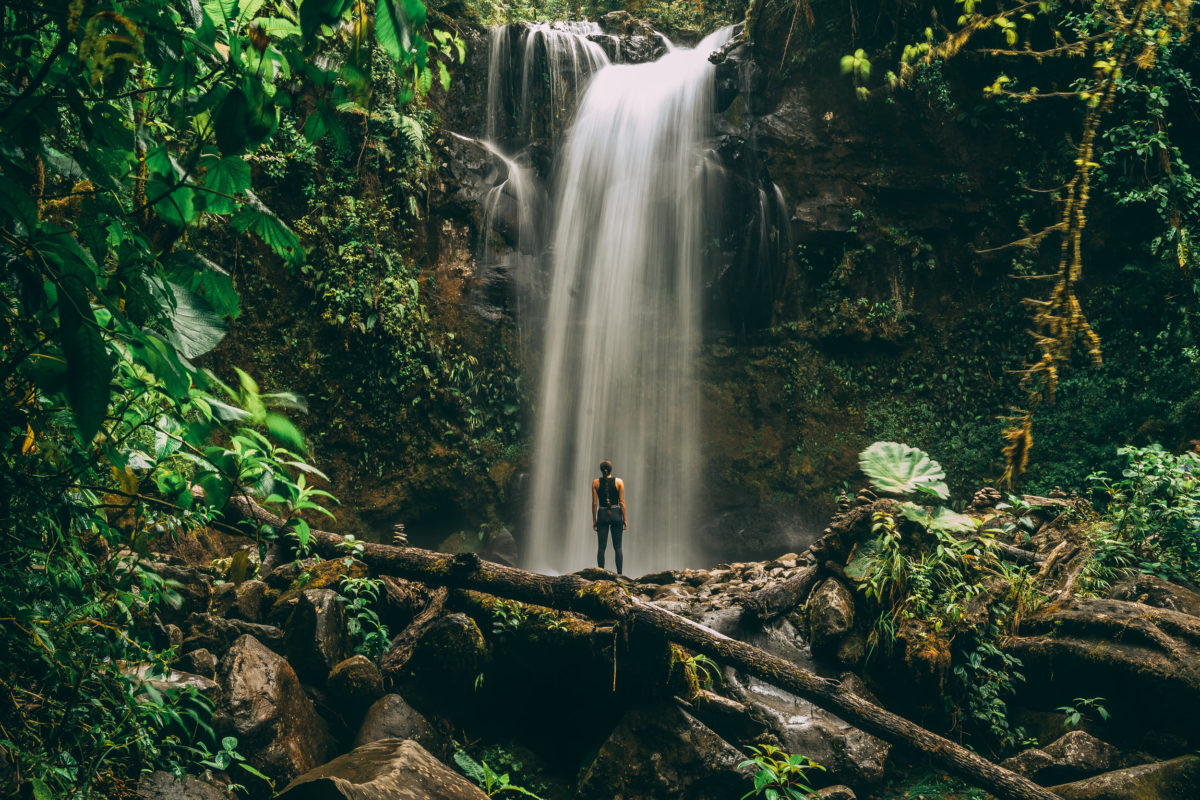
Known as the “Valley of the Flowers and Eternal Spring,” Boquete is a premier destination in the Chiriquí Highlands. Beyond its founding anniversary, the town is famous for:
- Coffee Production: Growing some of the world’s finest Geisha coffee beans.
- Annual Festivals: It also hosts the renowned Feria de las Flores y del Café (Flower and Coffee Festival) every January.
- Outdoor Adventure: Serving as a hub for hiking (including Volcán Barú), birdwatching, and river rafting.
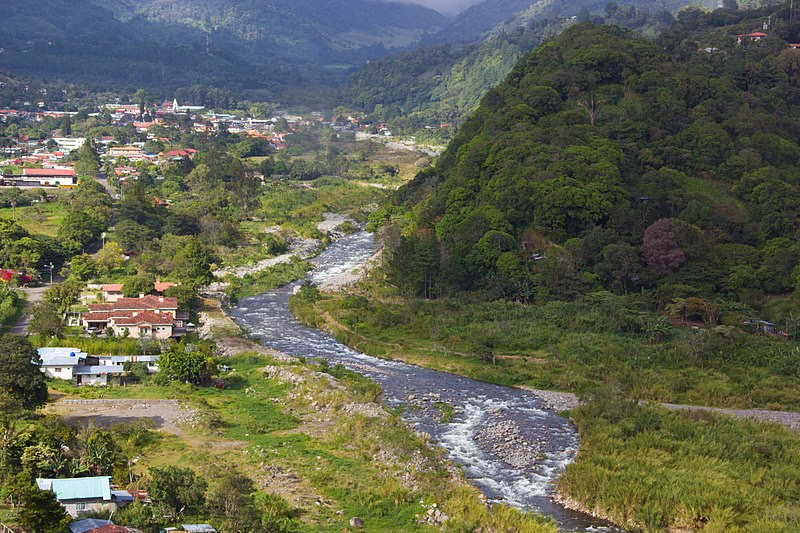
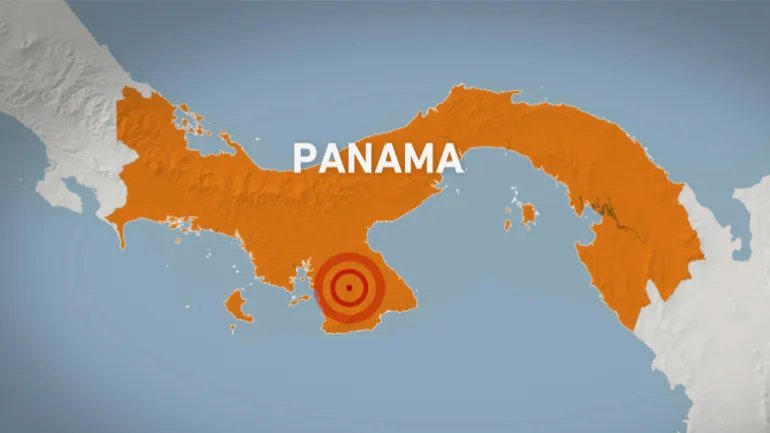
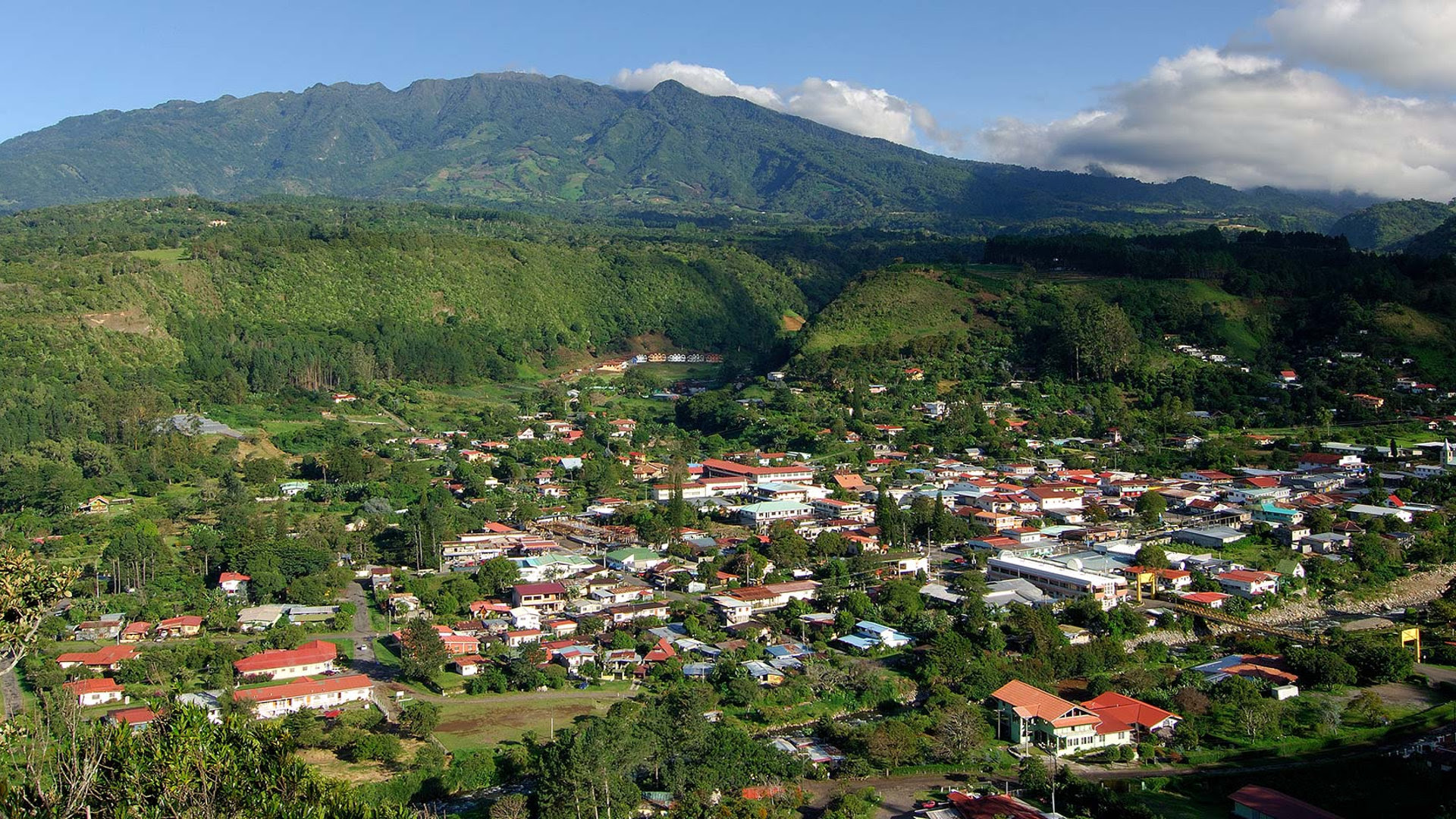
Boquete is a small mountain town in Panama. It is located in the westernmost Province of Chiriquí, about 60 kilometres (37 mi) from the border with Costa Rica, and lies on the Caldera River; in Panama’s green mountain highlands. Because of its elevation, some 1,200 meters (3,900 feet) above sea level, its climate is cooler than that of the lowlands. Its scenic location, temperature, and natural environment make it popular with Panamanians and attracts tourists and retirees from all over the world.
History
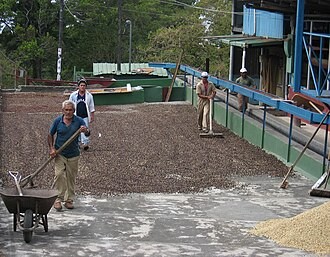
Traditional Coffee-Drying at the Alto Boquete Plant of Cafe Ruiz
Archaeological studies support the idea that Boquete’s history started sometime between 600 BC and 300 AD. In the Caldera region, you can find petroglyphs (a rock carving, especially a prehistoric one) that are evidence of the ancient settlements in the area. During the Spanish colonization, the highlands area was an isolated refuge for the indigenous tribes like the Ngöbe and the Misquito due to the topographic terrain. The colonization of Boquete only began in earnest in the second half of the nineteenth century, by locals from Bugaba, Gualaca, and David, and foreigners from Yugoslavia, France, Germany, and other European countries. Colonizers also arrived from the United States, starting the first coffee plantations and agricultural farms.

In Spanish, the word Boquete means ‘gap or opening’. It was through this gap that curious gold seekers trekked, looking for a cheaper and quicker way to the Pacific. By the early twentieth century, several villages had been populated: Lino, Quiel, Bajo Mono, Los Naranjos, and Bajo Boquete, which now is the town center of the district. The District of Boquete was founded on 11 April 1911. Initially, the capital of the district was Lino, but it moved soon after to Bajo Boquete. For many years, the district had three “corregimientos” (townships): Bajo Boquete, Caldera, and Palmira. In 1998, the “corregimientos” of Alto Boquete, Jaramillo, and Los Naranjos were created. Despite the recent boom in tourism, its main industry remains agriculture, especially the growing of coffee beans. Boquete is well known for its coffee, judged to be among the finest in the world.
CULTURE
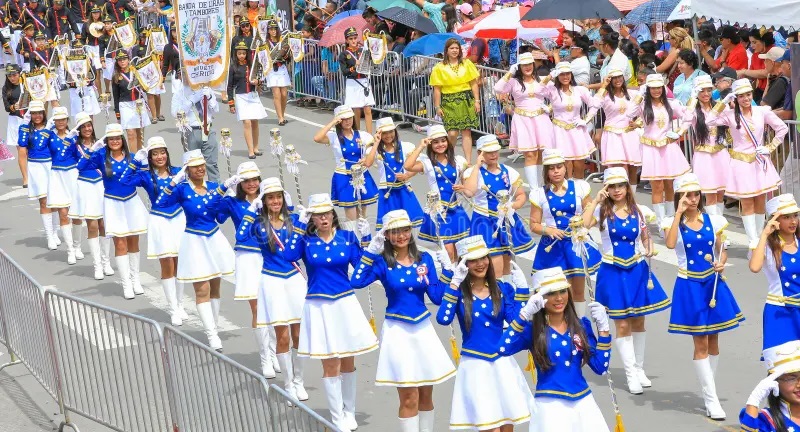
Boquete boasts a very lively music and arts scene. The annual Boquete Jazz Festival was founded in 2007 being the second largest jazz festival in the country after the Panama City Jazz Festival. Having been renamed Boquete Jazz & Blues Festival, the 2012 festival took place on the first weekend of March. In separate action, a group of expatriates in Boquete came together in 2005 to form a performing theater group, which was named Boquete Community Players (BCP). BCP was formalized legally in 2007 as a Panamanian foundation and is operated as a not-for-profit organization.
It became the first performance venue in the community in November 2009, when BCP held its grand opening of a refurbished restaurant and bar in the center of Boquete alongside the Caldera River. The mission of BCP is to sponsor, produce, and promote artistic events to enhance appreciation for and understanding of the arts, and to promote a cohesive sense of community. BCP produced its first Spanish language production in 2015. An interesting “side activity” of the BCP was to institute a weekly market at the BCP facility in 2009. The weekly market activity was scheduled on Tuesday’s, coincident with a weekly information and discussion session at the BCP theater. These joint market and information meetings have come to be known as the “Tuesday Morning Meetings” (TMM). A Thursday market was also created in a different location
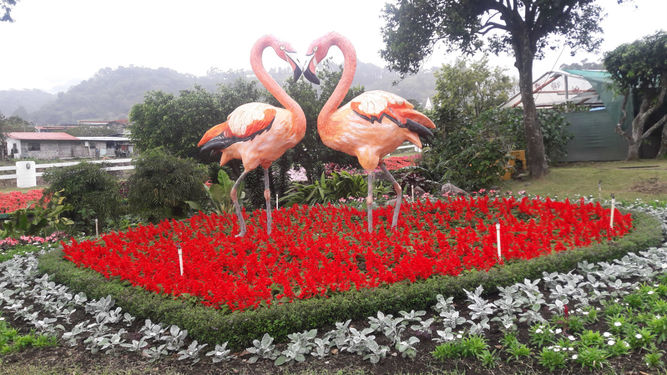
Through time and with the demonstrated community interest, the Tuesday market has become a very significant community activity, at times causing conflict between the performance/theater functions and the market functions. For the most part, however, those issues have been successfully overcome. Visitors to Boquete are frequently advised to visit BCP on Tuesday mornings because it is such an integral part of the community. The Tuesday information meetings, and especially the Tuesday market activities have been a big success, not only commercially speaking, but more importantly in the integration of the locals and the expatriates working side by side. Boquete also hosts an annual Coffee and Flower Fair, with attractions for those older and younger, and beautiful displays of colorful natural arrangements and scents.
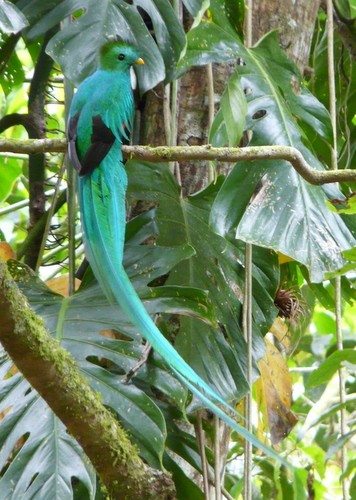
Resplendent Quetzal from a tour on the Quetzal Trail, Boquete, Panama.