China Denies Retaliating Against Panama Ships and Accuses Washington of a Canal Grab
US body says Beijing’s inspections of Panama-flagged ships exceed historical norms and may be reprisals over ousted Hong Kong operator.
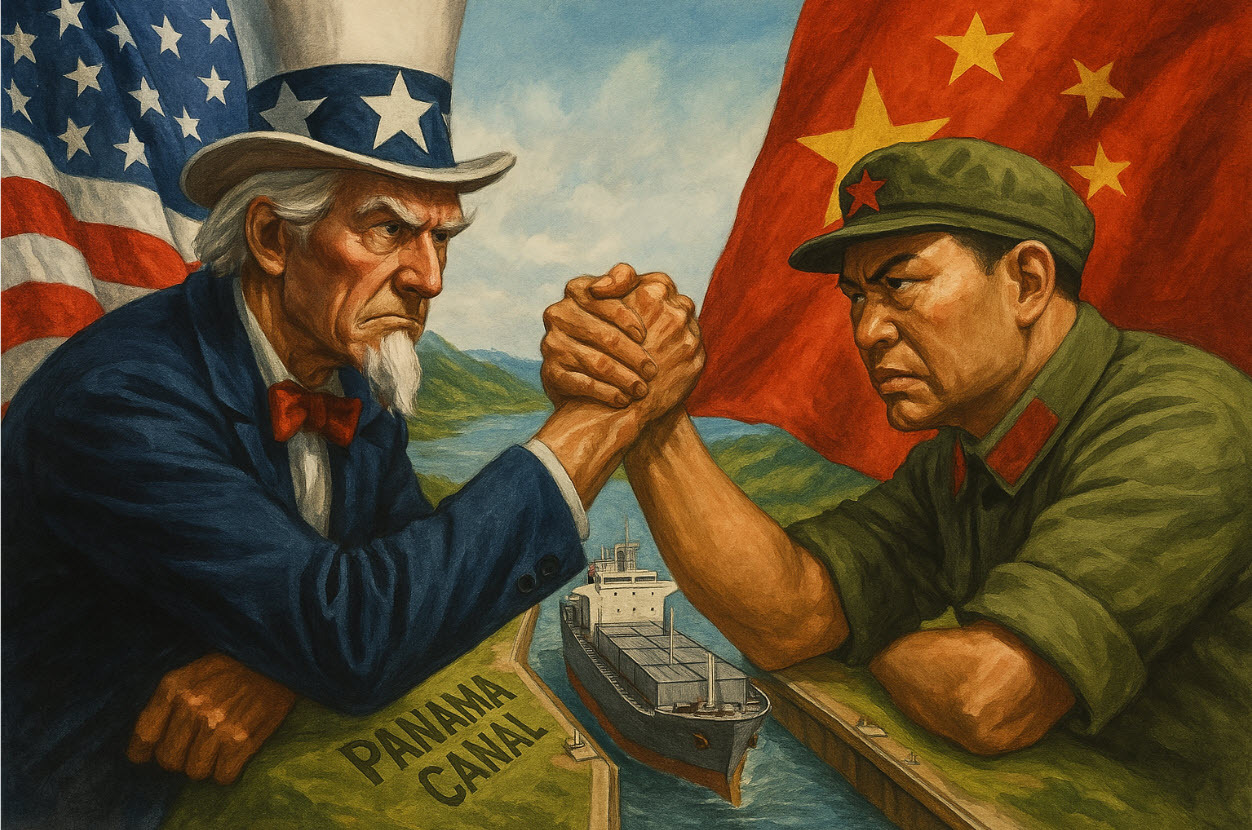
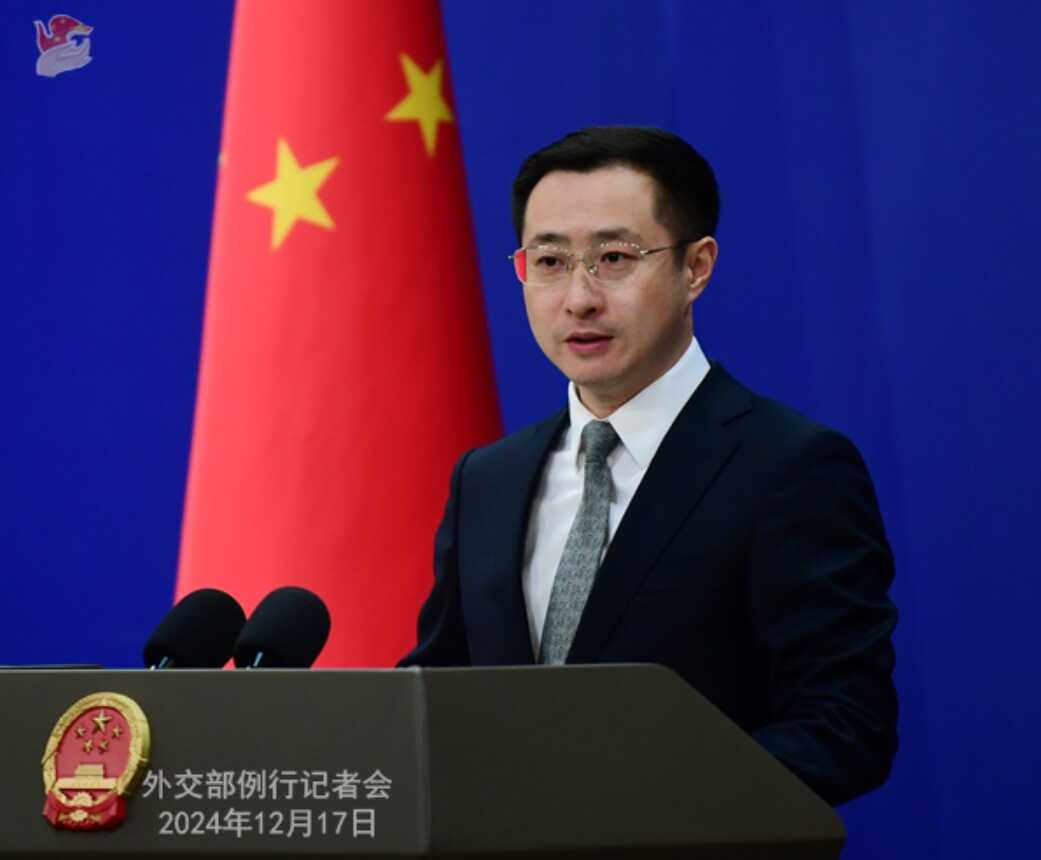
China denied on Friday that it had intensified inspections of Panama-flagged vessels in retaliation for Panama’s decision to strip a Hong Kong-based conglomerate of port concessions at both ends of the Panama Canal, accusing Washington of seeking to seize control of the strategic waterway. During the daily press briefing at the Chinese Ministry of Foreign Affairs in Beijing, spokesman Lin Jian pictured below, charged that the US had made “repeated wrongful allegations” about the inspections that exposed Washington’s “true intention” to take over the canal, dismissing them as groundless. Lin’s remarks came one day after the US Federal Maritime Commission issued an alert warning that Beijing had ramped up port inspections of Panama-flagged vessels beyond historical norms.
The confrontation centers on Panama’s cancellation of a concession held by Panama Ports Company, a subsidiary of Hong Kong conglomerate CK Hutchison, to operate the ports of Balboa and Cristobal. Panama’s Supreme Court declared the concession unconstitutional in January, and the government took control of both terminals in late February, designating US-linked operators APM Terminals and Terminal Investment Limited as interim administrators for 18 months. The commission warned on Thursday that the inspections appeared to follow informal directives that could amount to reprisals. Panama-flagged ships carry a significant share of US container trade, the commission noted, raising concerns about supply chain disruptions.
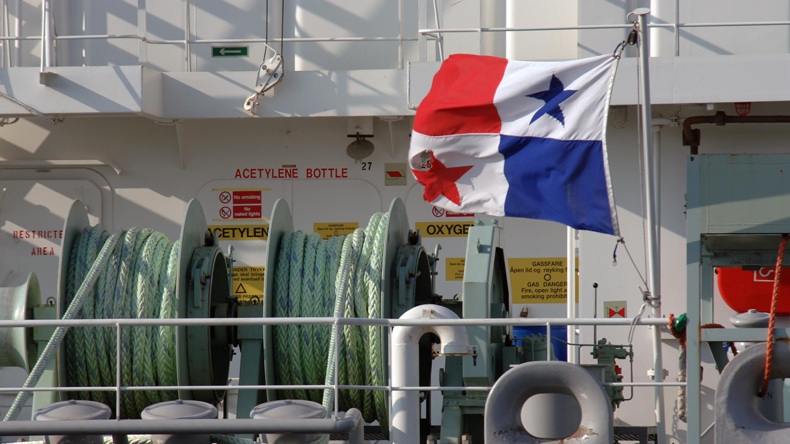
The agency added that it had the authority to investigate whether regulations or practices by foreign governments created unfavorable conditions for shipping linked to the United States. It cautioned that any foreign government action that delayed or prevented the movement of vessels trading with the US could be incompatible with its mandate and subject to formal investigation. “Any action by a foreign government that delays or prevents the movement of vessels trading with the United States may be inconsistent with our mandate,” the commission stated. Washington welcomed Panama’s move against the Chinese-linked operator.
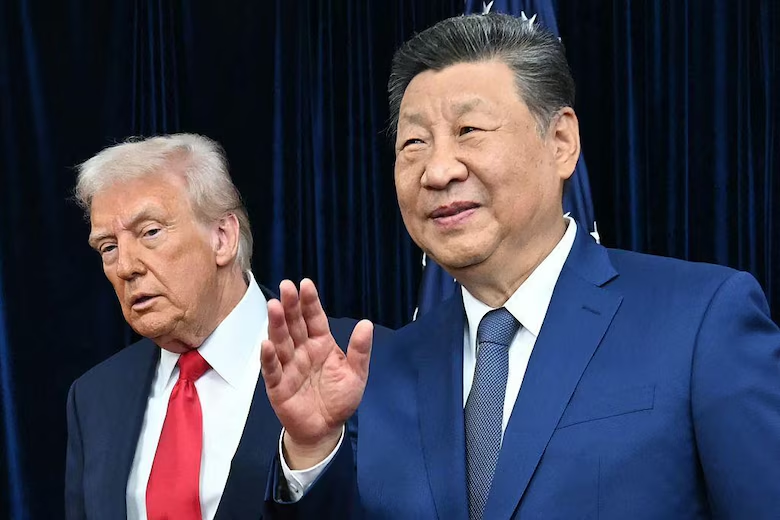
A senior US administration official told the South China Morning Post at the time that the action aligned with US President Donald Trump’s position that Chinese control of the canal was “unacceptable” and a direct threat to US national and economic security. The official argued that the United States must remain pre-eminent in the western hemisphere and that any assistance or alliance terms would be contingent on rolling back what Washington described as adversarial outside influence over ports, military installations and strategic assets in the region. US Secretary of State Marco Rubio pictured below, had also warned, after the Panama Supreme Court ruling that a company answerable to Beijing that controls ports at both ends of the canal could effectively shut down the waterway during a conflict, describing the scenario as a direct threat to American interests.

CK Hutchison rejected the ruling, launched international arbitration proceedings under the International Chamber of Commerce rules, and, on Tuesday, filed new claims seeking more than US$2 billion in damages from the Panamanian state. The company noted it had invested more than US$1.8 billion in infrastructure and technology across its nearly 30 years of operating the terminals. Beijing and Hong Kong officials had earlier criticized the ruling, accusing Panama of undermining the rule of law and damaging investor confidence. Panamanian President Jose Raul Mulino defended the judiciary as independent and stressed that the government’s priority was to protect jobs and maintain port operations. The row has drawn in Washington and Beijing, turning a domestic legal battle into a flashpoint in the broader rivalry between the world’s two largest economies. The canal carries about five per cent of global maritime trade and is a vital artery for US commercial and naval traffic.