Decoding the Molecular Differences in Modern Hemp Varieties
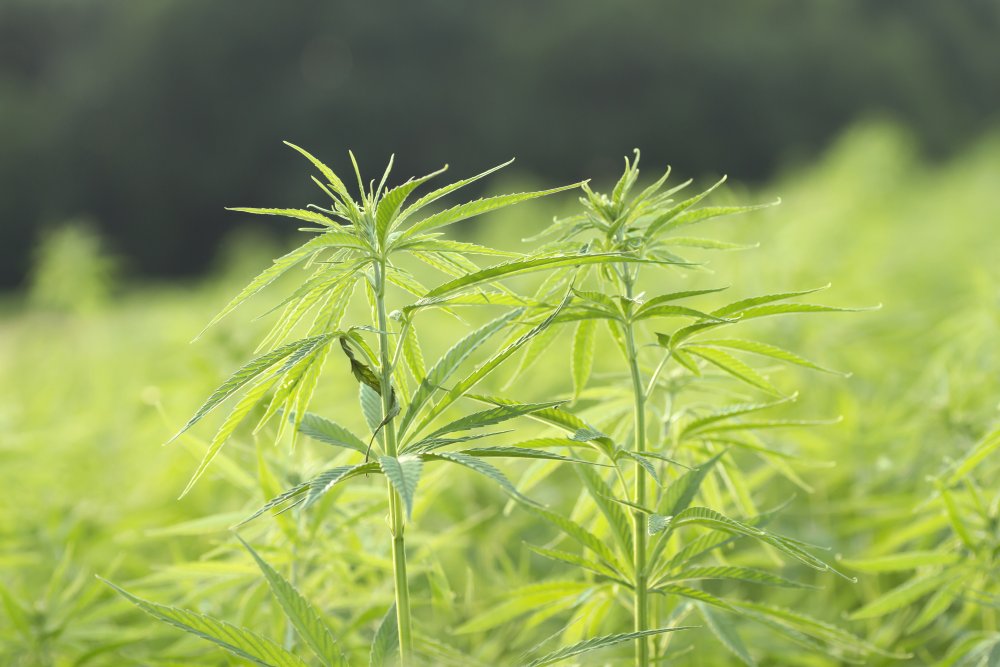
Guest Contribution – The botanical world is currently undergoing a massive shift in how it categorizes and understands different plant varieties. For a long time, the public perception was limited to a few basic labels that failed to capture the true chemical diversity of the species. Modern science is finally providing the tools needed to look past the surface and analyze the internal makeup of every harvest.
Every plant begins its life by producing acidic precursors that serve as the building blocks for more active compounds. In its raw state, the material contains these molecules in a stable form that does not produce any immediate effects upon contact. This biological stage is a critical period where the genetics of the plant dictate its eventual chemical profile for the user.
Understanding these distinctions is essential for navigating the current market and the various legal definitions that exist today. Many people find themselves confused by the overlapping terminology used by different shops and online retailers. A technical comparison of THCA flower vs Marijuana reveals that the primary difference lies in the specific molecular state at the time of testing.
The Science of Decarboxylation and Molecular Shifts
Decarboxylation is the natural chemical reaction that occurs when heat is applied to the raw material of the plant. This process removes a carboxyl group from the molecular structure, transforming the acidic precursor into its active counterpart. Without this specific trigger, the molecules remain in their original state and do not interact with the human body in the same way.
In a natural environment, this transition can happen very slowly over several years as the plant is exposed to sunlight and air. However, controlled heat significantly accelerates the reaction, making the compounds available for immediate use. This transformation is a fundamental part of how botanical products have been utilized throughout human history across various cultures.
The temperature and duration of the heat application determine the efficiency of the conversion process during use. If the heat is too low, the reaction remains incomplete, while excessive heat can actually destroy the delicate aromatic oils. Managing this molecular shift is the key to unlocking the full potential of the harvest for the final consumer today.
Harvest Timing as the Critical Legal Factor
Timing is the most critical factor that determines whether a plant will meet the legal definition of industrial hemp. As the plant matures in the field, it naturally begins to convert some of its acidic precursors into active compounds. If a grower waits too long to harvest, the levels can quickly rise above the federal threshold, leading to a non-compliant crop.
Farmers must carefully monitor their fields and perform regular testing to track the chemical development of their plants. Harvesting at the peak of maturity, just before the molecular shift occurs, ensures the highest quality while maintaining legal compliance. This requires a deep understanding of the specific genetics and the local environmental conditions during the growing season.
Once the plant is harvested and dried, the chemical profile is essentially locked into place until heat is applied. This allows the material to be transported and sold as a legal commodity under the current federal guidelines. Precision in the field is what makes the modern hemp market possible for both the producers and the end users today.
Specialized Laboratory Testing and Verification
Specialized laboratory testing is the only way to accurately verify the molecular makeup of a specific harvest for the market. These facilities use high performance liquid chromatography to separate and measure the different compounds found in the sample. This process provides a transparent look at the total chemical signature of the botanical product.
The reports distinguish between the levels of the acidic precursors and the active compounds present in the raw material. This data is essential for both regulatory compliance and consumer safety during the buying process. It confirms that the harvest meets the legal standards set by the federal government and the individual state agencies.
Total potential is calculated by adding the active levels to a percentage of the precursors, assuming a full conversion occurs. This math helps consumers understand the strength of the product once it is heated for use. Relying on these objective lab results is the only way to cut through the marketing noise found in many shops.
Navigating the Modern Legal Landscape Safely
Navigating the modern legal landscape requires a basic understanding of these molecular nuances to ensure a safe and successful experience. As the market continues to evolve, the distinction between different varieties becomes increasingly important for the average consumer. Awareness of the chemical profile allows for more informed choices when visiting a shop or browsing online.
Understanding how the law views these products helps people stay within their local and state regulations. While the federal government provides a baseline, individual jurisdictions can still have their own specific rules regarding possession and use. Staying educated on these changes is a vital part of being a responsible participant in the botanical community.
The intersection of science and law is what defines the current era of botanical exploration and commerce. By looking past the labels and focusing on the molecular reality, enthusiasts can find the products that best fit their needs. This knowledge provides a solid foundation for enjoying the benefits of the plant with confidence and peace of mind.
________________________________________________________________________________________________________________
Advertisements placed in our Guest Contribution sections are in no way intended as endorsements of the advertised products, services, or related advertiser claims by NewsroomPanama.com, the website’s owners, affiliated societies, or the editors. Read more here.