Cosco Shipping of China Stops Using the Panama Port of Balboa
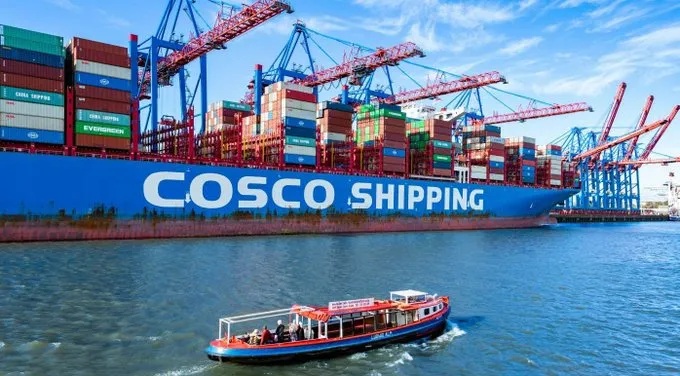
Chinese shipping company COSCO Shipping Lines announced the suspension of it’s services at the port of Balboa, at the Pacific entrance to the Panama Canal. The decision was communicated on March 10 by COSCO Shipping Lines (Panama) Inc. through a notice addressed to its customers, in which it informs that, from that date, there will be no departures or arrivals of its services at the port located on the Panamanian Pacific coast. According to the statement, all confirmed bookings will be cancelled, so companies and customers should contact their sales representatives to find out what options are available. The shipping company indicated however, that import releases will be delivered as normal, so the processes of removing cargo that has already arrived should not be affected.
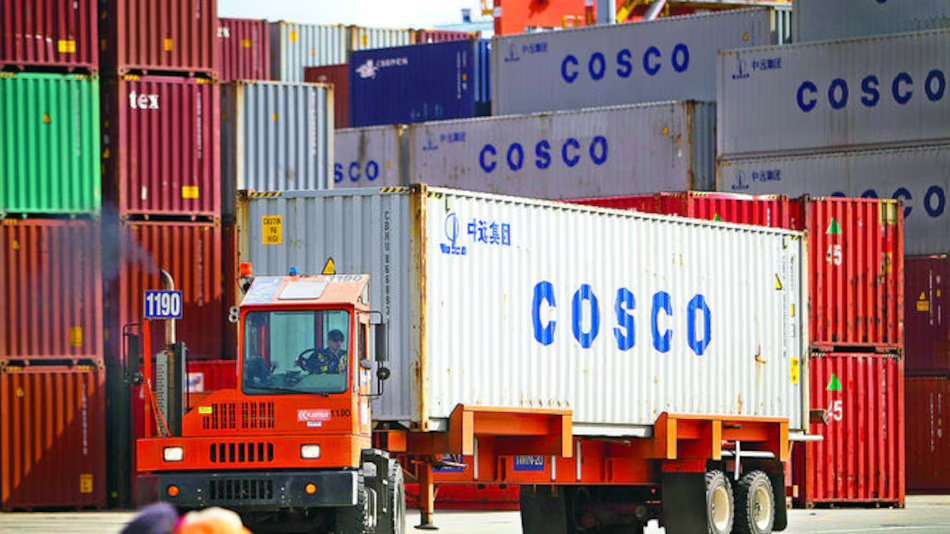
COSCO has already modified its route to also carry out trans-shipment operations in Buenaventura, Colombia. Regarding container logistics, the company indicated that empty units must be returned only to the ports of Manzanillo International Terminal or Colón Container Terminal, both located in the province of Colón. They also specified that empty containers will not be accepted in Balboa. So far, the company has not detailed the reasons for the suspension of services from Balboa or whether the measure will be temporary or permanent. In the maritime industry, however, a shipping company’s departure from a port doesn’t necessarily reflect the entire operational landscape. Industry specialists explain that it’s common for several shipping companies to share space on the same vessel through commercial agreements.
Under this scheme, part of the cargo can belong to one shipping line and the rest to another, allowing them to optimize the capacity of the ships and maintain routes to certain ports. Therefore, they point out that it will be necessary to observe how this decision could impact services already agreed upon or space exchange agreements between shipping companies, which usually divide the capacity of ships to cover different routes and destinations. It is worth noting that the shipping company Maersk accounted for between 75% and 80% of the containers handled at the port of Balboa pictured below.
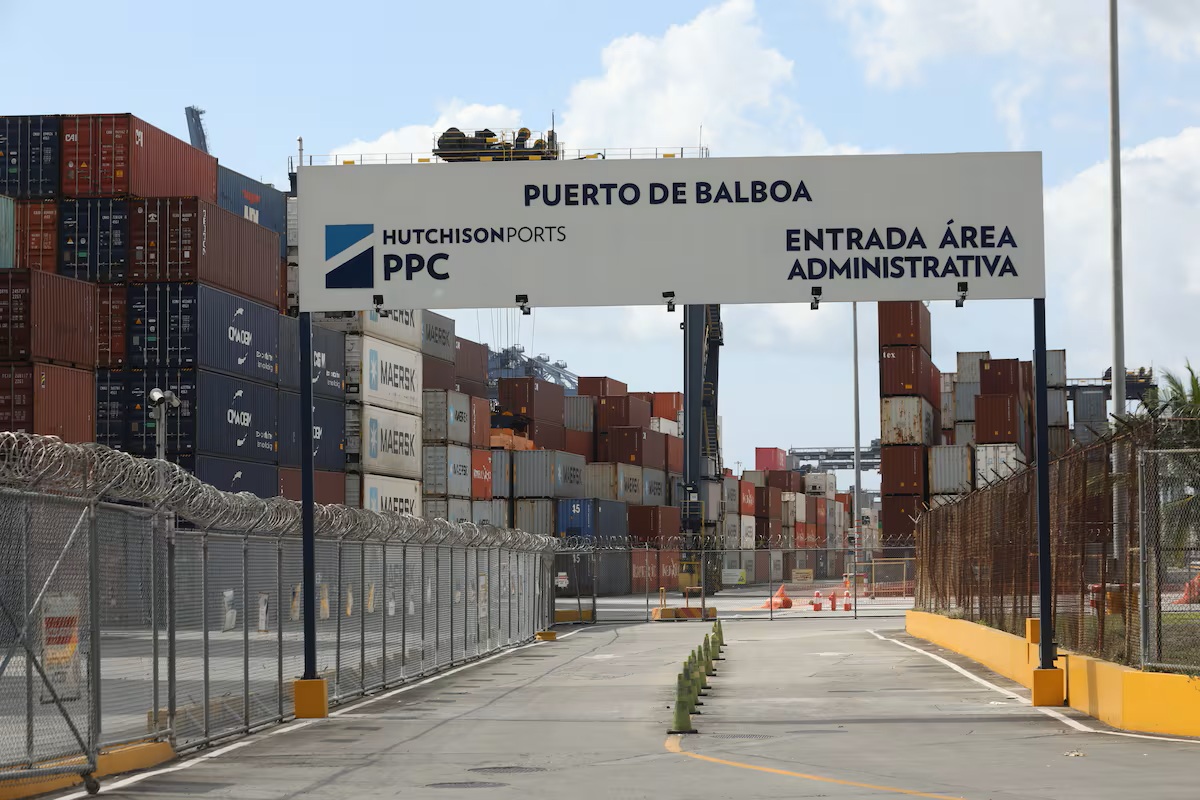
The company’s decision comes weeks after the Supreme Court of Justice of Panama (CSJ) published in the Official Gazette the ruling that declared unconstitutional the contract law through which Panama Ports Company (PPC) —a subsidiary of the Hong Kong-based company CK Hutchison Holdings— was granted the operation of the ports of Balboa and Cristóbal. The court decision had been previously anticipated by the US media outlet Axios, which reported on January 29, 2026 that the White House was expecting a declaration of unconstitutionality regarding that contract. It is worth noting that the National Government awarded temporary contracts to both ports.
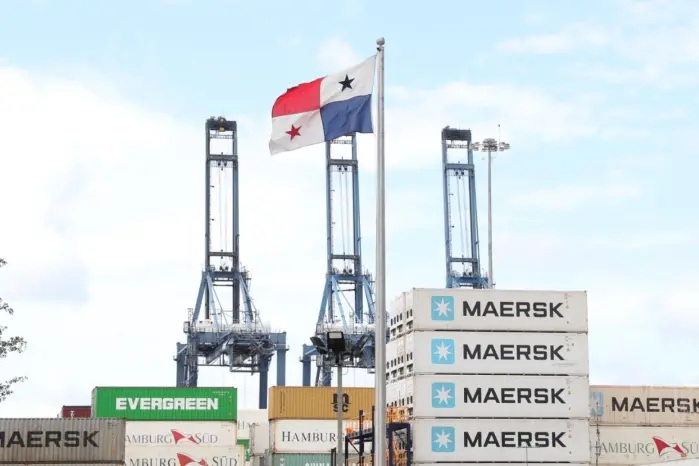
The Balboa contract was awarded to APMT Panama (a Maersk subsidiary) and the Cristóbal contract to TIL Panama, the port arm of MSC. Both concessions are for 18 months, during which time the Panama Maritime Authority will hold a tender to find permanent operators. It is important to highlight that Shanghai-based China COSCO Shipping is the largest shipping conglomerate in the Asian nation and a world leader in containerized bulk cargo and logistics. Furthermore, they operate a vast fleet that includes dual-fuel vessels and have reported massive revenues, exceeding $33 billion in 2024. For its part, the Chinese government had assured that it would take “all necessary measures” to protect the legitimate rights and interests of its companies following the Supreme Court’s decision.
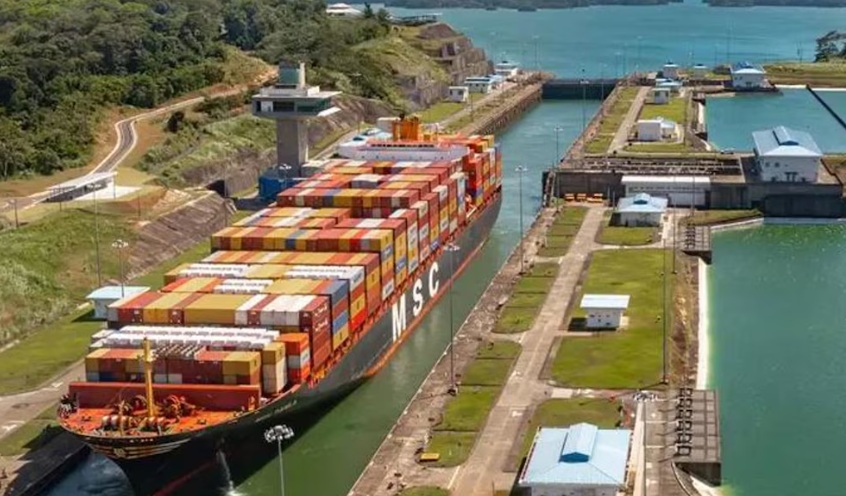
Meanwhile, it was learned that on the morning of Tuesday, March 10, the Chinese Ministry of Transport summoned the heads of the shipping companies Maersk and Mediterranean Shipping Company (MSC) to address their “international maritime transport business practices”, according to a brief official statement published by the agency. Furthermore, since the start of President Donald Trump’s second term in 2025, the president has threatened to reclaim the Panama Canal, alleging supposed Chinese influence. This claim has been rejected by both China and Panama, which has demanded that the United States not involve the country in its geopolitical dispute with the Asian nation.