An Illegal Network in Panama is Selling Teaching Positions: The Ministry of Education Files a Complaint
Pictured below is Deputy Director of Human Resources, Reinaldo Medina. According to official information, the victims allegedly made bank transfers to people posing as public officials, promising them appointments in exchange for money.
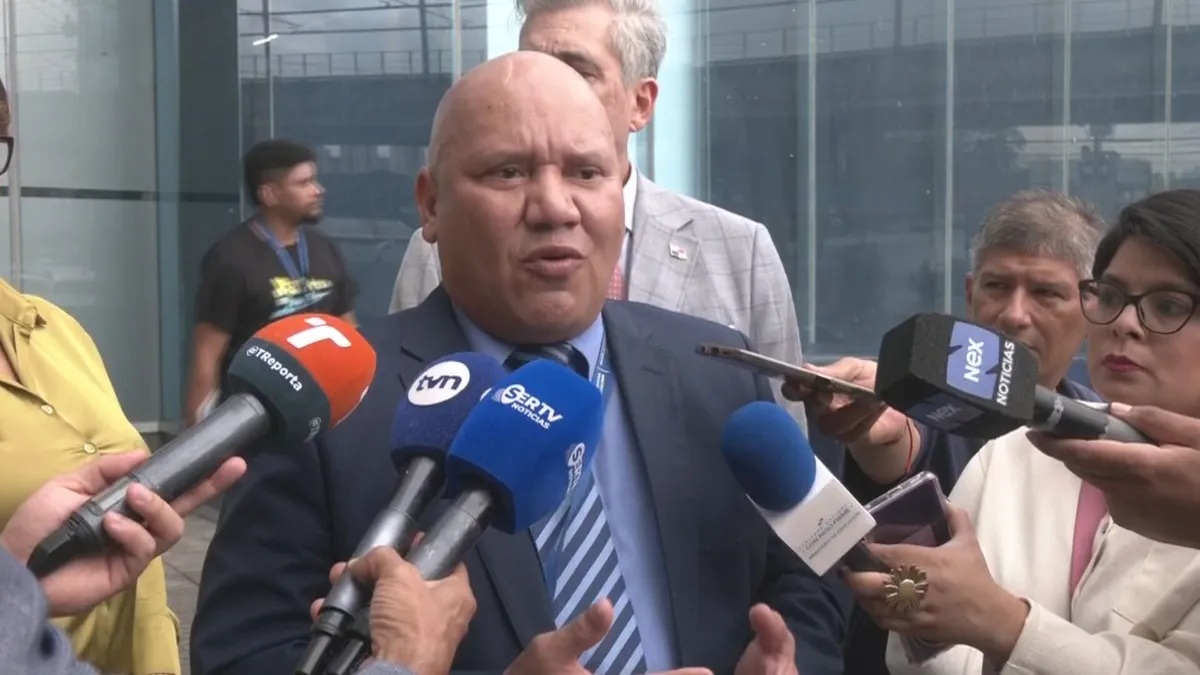
Panama City, Panama: The complaint filed with the Public Prosecutor’s Office by the Ministry of Education (Meduca) uncovered a network of alleged irregularities linked to the teacher appointment competition, which already includes nearly 50 cases detected through the Provel platform. The Deputy Director of Human Resources, Reinaldo Medina, along with the entity’s Legal Advisory team, filed the legal action for an alleged crime against the public administration, after practices such as the use of fake diplomas, the sale of non-existent positions and the illegal marketing of vacancies were identified.
The most recent case came to light when a group of teachers went to the institution’s main headquarters to take up positions in remote areas, even though they had not officially applied for those positions. According to official information, the victims made bank transfers to individuals posing as public officials, who promised them appointments in exchange for money. Authorities explained that the continuous monitoring of the Online Vacancy Process (Provel) platform allowed them to identify irregularities and stop these practices that threatened the transparency of the Teacher and Professor Appointment Competition.
According to the data provided, the total amount involved in these alleged crimes exceeds $100,000, distributed across 8 cases registered in 2024, 2 in 2025, and 17 so far in 2026. The institution reiterated that access to a vacancy in the official education system is obtained exclusively through academic merit and in accordance with established procedures, guaranteeing equal opportunities for all applicants. Finally, the Ministry of Education rejected and strongly condemned these actions, stating that they violate the principles of ethics, legality, and responsibility that should govern educational work in the country.