Warehouse Too Tight? Time For Modula’s Storage Solutions
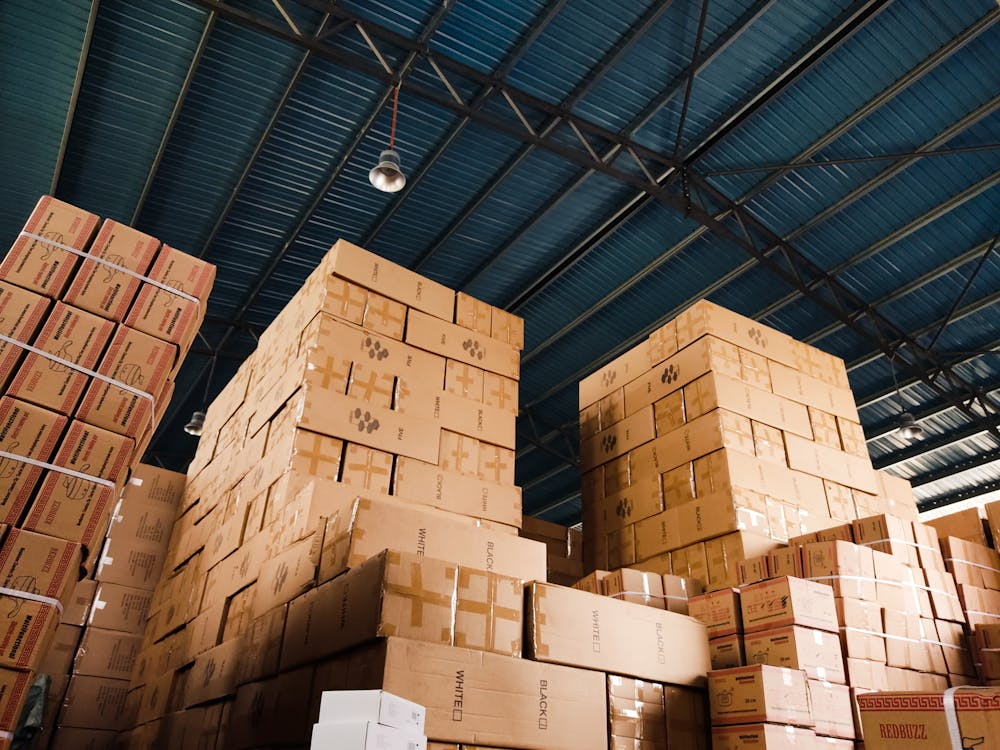
Limited warehouse space can have huge implications for business efficiency and workforce safety, among other things. For households facing the same crunch on a smaller scale, dedicated providers such as https://wheekeep.com/ offer flexible self-storage units that keep belongings organized and accessible. When it becomes apparent that space is running out, finding an answer to this problem becomes a priority. But where do you start? Well, with Modula’s storage solutions, a low space crisis could be easily averted.
The Cost of a Crowded Warehouse
Allowing a warehouse space to become dangerously overpopulated can impact business efficiency. Picking and retrieval times lengthen, and more time is wasted searching for items. An overcrowded warehouse can’t be an organized one. The two do not exist together. Therefore, items can get misplaced or hidden behind others, causing general chaos.
Not only does this impact inventory, as items are mistakenly listed as missing, but reordering items to fulfil customer demands is time-consuming. Customer wait times elongate, and shipping may be affected by the delays. Each phase affects the next.
There is a much more dangerous cost to having a crowded warehouse, and that is concerning workforce safety. When storage space is low, staff may be tempted to incorrectly stack more items than is safe. Or leave items in aisle spaces, reducing walkway areas.
Items stacked haphazardly above the height limit could fall and injure employees. While boxes placed in walkways could easily be tripped over. Injured staff members not only take time off to recover, placing strain on the workforce, but they may also file a lawsuit against the company. In the case of an unsafe, overcrowded work environment, they are within their right to do so.
Signs Your Warehouse is Running out of Space
Perhaps, warehouse space may be a concern in the near future, but it is not quite at that point yet. Watch out for the following signs before warehouse overcrowding reaches unmanageable levels.
Increased order processing
Where once picking and retrieval rates were at an all-time high, they have begun to slow down. This is down to either poorly trained new staff, outdated order-processing methods, or an overcrowded warehouse.
In the case of overcrowding, if you rely heavily on a human workforce to find and ready items for shipping, overloaded storage units can prove problematic. More time is taken to search for and locate each item, as they may be obscured by others.
Alternatively, orders could also be placed in another area of the warehouse, where overflow items are being temporarily relocated. If items are being stored elsewhere, as their usual spot is full, this is a sure sign that storage space is critically low.
Overstacked shelves
Shelves can handle certain loads, and overstacking with no consideration of weight restrictions could have serious consequences. Although items may appear light, in bulk, they may overload the storage unit.
In addition to keeping an eye on the total weight of items stored on each shelf, the position matters. When shelf space is running out, workers may be tempted to overstack items. Boxes hanging off the edge of the shelving or pushed to the back, where items could fall behind units, can both damage products and pose a threat to health and safety.
Higher number of incidents
The warehouse health and safety officer is responsible for monitoring statistics on on-site incidents in any given month. If they notice an upward trend in workplace accidents, this will have to be escalated and the cause investigated.
Poor material-handling practices, slips, and trips are some of the most common accidents in a warehouse environment. These incidents are often a result of a lack of sufficient training and breaches in safety protocol. When the warehouse environment becomes overcrowded, following health and safety guidelines becomes difficult. Therefore, workers may disregard regulations just to get the job done.
Overcrowded warehouses also pose a fire risk. Not only is there more material to catch light, but blocked walkways can also obstruct the path to safety for a workforce.
Inventory inaccuracies
In this scenario, the software reports that there is a certain item in stock. There’s only one box left. However, the item’s location has been searched, and the staff member cannot find the single box. The warehouse is becoming overcrowded, and on more than one occasion, shelves have been loaded beyond what is fitting.
An overcrowded shelf is tricky to sort through, and when time is of the essence, an item could be missed and inaccurately reported as out of stock. Therefore, it appears that the inventory management software does not correlate with what is on the warehouse floor. Seemingly lost items could then be reordered, leading to overstock when they reappear.
How can Storage Solutions Help?
Before automation and new technologies in warehouse storage, when a warehouse became overcrowded, there was only one answer. If it were budgetable, the solution would be to purchase additional warehouse space. However, this is costly to buy in the first place, keep running, and also to manage. Thankfully, this is not the case today.
Innovative storage solutions, such as those provided by Modula, are designed to make the most out of every vacant space in the warehouse. Using custom builds, rather than one-size-fits-all configurations, works with individual warehouse dimensions. Missed opportunities, such as room under high ceilings and underused floor space, can be utilized to the max.
Storage units that can cope with heavier loads allow the safe stacking of more objects. For example, Modula storage solutions have a payload capacity of 2,200 lbs. Therefore, there is less need to distribute weight, for fear of overloading a shelf.
Used in combination with Automated Storage and Retrieval Systems (ASRS), this allows for the picking and retrieval of heavy loads and limits the need for human manual handling. With ASRS navigating tighter walkways where once forklifts would pass through, not only is space saved, but the risk of workplace accidents is greatly reduced.
Adopting automation and storage solutions like Modula’s optimizes existing warehouse space, without going over budget with expansion projects or purchasing additional commercial property. It’s time to think smart about warehousing and the space you already have.