
Construction Site Injuries: How Workers and Bystanders Can Protect Their Rights
Construction is one of the most hazardous industries in the United States. According to the Occupational Safety and Health Administration (OSHA), one in five workplace deaths occurs on construction sites. Even in highly regulated states like California, accidents at job sites lead to thousands of emergency room visits and long-term disabilities every year.
These incidents rarely affect only workers. Nearby pedestrians and other bystanders can also be seriously injured when safety protocols are overlooked or equipment is poorly managed.
Anyone harmed at or near a construction site should act quickly to protect their legal rights. This guide will help you understand:
- The most common injury scenarios on construction sites
- How liability is determined and who may be responsible
- How to file a job-site injury claim
- When to contact a construction accident lawyer and how they can support your case
Common Types of Construction Site Injuries
Construction sites present hazards that can cause serious harm. Both workers and bystanders should be aware of the most common accident scenarios so they can recognize risks sooner and respond more effectively if something goes wrong.
1. Falls from Scaffolding
When scaffolding is poorly assembled or maintained, workers can fall from significant heights. Bystanders may also be injured if tools or debris fall from unstable scaffolding.
Scaffolding accident liability is often complex because multiple parties may be responsible, including construction companies, contractors, subcontractors, and equipment suppliers. Many states have strict safety regulations for scaffolding, and violations of these standards can lead directly to legal claims.
2. Machinery and Equipment Accidents
Heavy machinery, power tools, forklifts, cranes, and vehicles are essential on construction sites but can become dangerous when used incorrectly or without proper supervision. Workers can suffer crush injuries, amputations, or burns. Bystanders may also be harmed if machinery moves outside controlled areas or if warning signs are missing.
3. Falling Objects and Debris
Loose materials, tools, or unsecured equipment can fall from heights and cause severe harm to people below. Even small objects become dangerous when dropped from multi-story structures, sometimes resulting in traumatic brain injuries. Property owners, site supervisors, and contractors may be held responsible if they fail to maintain safe conditions or implement protective barriers.
4. Slip-and-Fall Incidents
Construction sites often have uneven surfaces, loose cords, spilled substances, or wet areas that create slipping hazards. These conditions can injure construction workers, delivery drivers, and nearby pedestrians. If hazards were not marked, monitored, or corrected within a reasonable time, the injured person may have grounds for a claim.
5. Exposure to Toxic Materials
Construction sites often contain hazardous substances, including asbestos, mold, silica dust, and chemical solvents. Exposure to these materials can lead to chemical burns or long-term lung conditions. Workers have the right to protective equipment and proper safety training. If someone is exposed due to negligence, legal liability may be involved.
Each of these scenarios raises different legal questions. Quickly identifying the cause of a construction accident is crucial for any claim.
Filing a Job Site Injury Claim
Whether you are a construction worker or bystander, the steps you take immediately after an accident can impact your ability to file a job site injury claim. Here’s a quick look at best practices:
Step 1: Seek Medical Attention Immediately
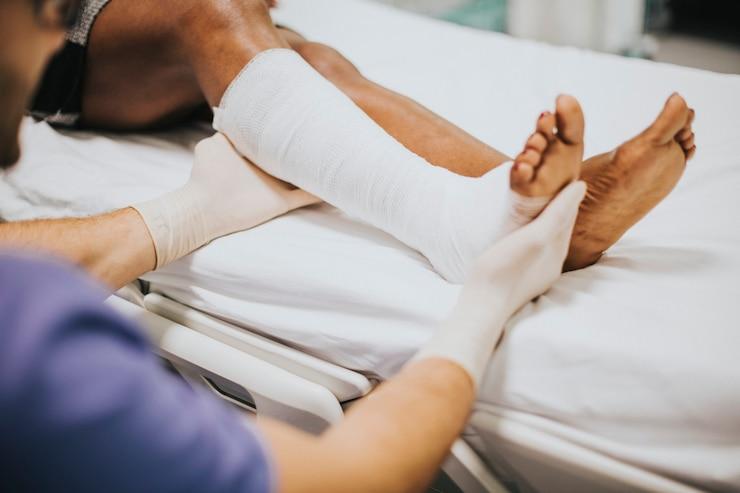
Your health and safety come first. Even if your injuries seem minor, it is essential to get a medical evaluation. Some injuries, such as concussions, spinal issues, or internal trauma, may not show symptoms right away. Medical records also play a key role in supporting an injury claim.
Step 2: Report the Construction Accident
Construction workers should notify their employer or site manager as soon as possible. Bystanders or pedestrians should report the incident to the property owner, construction company, or site supervisor. A written accident report establishes the date, location, and basic facts of what happened.
Step 3: Gather Evidence
If you are safely able to do so, collect information that can support your job site injury claim. This may include:
- Photos or videos of the scene, equipment, or hazardous condition
- Contact details for witnesses or other injured individuals
- Documentation of safety violations, such as missing barriers, exposed hazards, or a lack of signage
- Copies of incident reports, medical bills, or insurance communications
Step 4: Avoid Giving Recorded Statements Without Guidance
Insurance companies will likely contact you soon after the accident. They may request a statement or offer a quick settlement. It is important to be cautious, as accepting an early offer could prevent you from pursuing full compensation later.
Step 5: Determine Who May Be Legally Responsible
Construction site accidents can involve multiple responsible parties. Liability may fall on the site owner, contractor, subcontractor, equipment manufacturer, or even an outside company responsible for safety inspections. Identifying the correct party is essential for moving forward with your claim.
Step 6: Speak With a Legal Professional
A personal injury attorney or construction accident lawyer will help you understand your legal options, assess your case, and determine whether workers’ compensation or a third-party construction injury claim applies.
Understanding these steps will protect your rights and prepare you for the next stage of the claims process. The following section explains how liability works in construction accident cases and why it is often more complicated than standard personal injury claims.
Understanding Liability in Construction Accidents
Determining who is legally responsible for a construction accident is often one of the most complex parts of an injury case. Liability refers to who caused the unsafe condition and who may be financially responsible for medical bills, lost income, pain and suffering, or other damages.
Types of Liability
Liability may fall on one or more of the following parties:
- General contractors
- Subcontractors
- Property or site owners
- Equipment rental companies
- Safety inspection firms
- Product or equipment manufacturers
An injured employee may receive workers’ compensation benefits through their employer, which typically cover medical treatment and a portion of lost wages. However, if another party’s negligence contributed to the accident, the injured person may also be eligible to file a third-party construction injury claim to seek additional compensation.
How Liability Affects Compensation
If only one party is responsible, the claims process may be relatively straightforward. When multiple parties are involved, insurance companies often dispute who should pay and how much.
Key factors that help determine liability include:
- Whether proper worker safety legal advice and safety training were provided
- Whether safety equipment was available and in good working condition
- Whether the site complied with state safety or OSHA regulations
- Whether an equipment failure was caused by poor maintenance or a manufacturing defect
Understanding liability is essential because it determines which type of claim you can file and the full extent of compensation you may be able to pursue.
Working With a Construction Accident Lawyer
Legal guidance can make a meaningful difference when pursuing compensation after a construction-related injury. A construction accident lawyer can help by:
- Investigating how the accident occurred
- Identifying all potentially responsible parties
- Reviewing safety reports, inspection records, and witness statements
- Collecting medical documentation to show how the injury affects your life
- Communicating and negotiating with insurance companies on your behalf
They can also explain whether your situation qualifies as a workers’ compensation claim, a third-party personal injury claim, or both. Understanding this distinction matters because it can impact the type and amount of compensation you may pursue.
Why Legal Representation Matters
Insurance companies may attempt to minimize payouts or dispute liability. An experienced construction accident lawyer will understand these tactics and how to avoid common claim errors. They also help determine the full extent of damages, which may include:
- Medical treatment and rehabilitation
- Lost income and reduced earning ability
- Pain, suffering, and emotional distress
- Long-term disability and future care needs
Having the right legal team on your side increases the likelihood that the full impact of your injury is documented, presented, and considered during settlement discussions.
Final Thoughts
Construction accidents can change a person’s life in a matter of seconds. But you do not have to navigate the recovery process alone.
If you were injured at or near a construction site, now is the time to take action. Contact a construction accident lawyer near you to discuss your situation and take the first step toward pursuing the compensation you deserve.