The Reality of Walking in the Big D
You know how it is. You’re walking through Deep Ellum on a Friday night, music spilling out of the venues, crowds moving between taco spots and breweries. Or maybe you’re just trying to cross the street in Uptown to grab a coffee before work. Dallas is a driving city, sure, but people walk here. We run, we commute, we walk our dogs in Oak Lawn. It’s part of the fabric of the city. But there is this underlying tension every time you step off the curb, isn’t there? A sense that the steel giants rushing past at 45 miles per hour aren’t really looking for you.
The infrastructure in Texas is built for speed. Wide lanes. Fast highways. Feeder roads that feel like racetracks. When you mix that with foot traffic, the results can be catastrophic. It’s not just a fender bender where you swap insurance info and grumble about a scratched bumper. When flesh and bone meet a two-ton pickup truck, the math is never in the pedestrian’s favor.
We aren’t just talking about scrapes and bruises. We are talking about life-altering moments that happen in the blink of an eye. One second, you have the walk signal, and the next, your world is upside down because someone was trying to beat a yellow light or was too busy looking at a text message to notice the crosswalk wasn’t empty. It’s a terrifying reality for anyone who navigates this city on foot.
The Aftermath and the Legal Maze
So, the worst happens. The sirens fade, the adrenaline crashes, and you are left in a hospital bed staring at a ceiling tile, wondering how you’re going to pay for the surgery, the rehab, the weeks of missed work. The medical bills start piling up before you’ve even been discharged. It is overwhelming. And then the phone rings. It’s an insurance adjuster. They sound nice. They sound like they want to help. They ask how you’re feeling. They might even offer you a quick check to “cover your immediate needs.”
Do not sign anything.
This is the trap. They aren’t your friends. They are protecting a bottom line. They know that if you accept that check, you might be signing away your right to future compensation for injuries that haven’t even fully manifested yet. This is where things get complicated, and frankly, where you need someone in your corner who knows the game better than they do.
Navigating the legal landscape in Texas isn’t something you should do while on painkillers and stressed about rent. You need an advocate. A skilled Dallas pedestrian accident lawyer can step in and handle the noise so you can focus on the only thing that matters right now: healing. They know the tactics insurance companies use to devalue claims. They know how to dig for evidence that proves the driver was negligent.
The “Shared Fault” Trap
Here is something a lot of people don’t realize about Texas law. It’s called “modified comparative negligence.” Sounds fancy, right? It basically means the blame isn’t always black and white. Sometimes, the insurance company will try to pin the blame on you. They’ll say you were jaywalking. They’ll say you were looking at your phone. They’ll say you didn’t look both ways.
Why do they do this? Because of the 51% rule.
If a jury decides you were more than 50% responsible for the accident, you get nothing. Zero. If you are 50% at fault, you can still recover, but your payout gets cut in half. If you are 51% at fault, you are out of luck. It’s a brutal threshold.
Imagine you are crossing the street. The driver was speeding, but maybe you were a few feet outside the crosswalk lines. The defense will latch onto that detail. They will try to convince a jury that your few feet of error were worse than their client’s twenty miles per hour over the limit. It’s a strategic game of shifting percentages. You need someone who can push back, who can show that the driver’s duty of care was the primary factor.
The Physics of the Crash
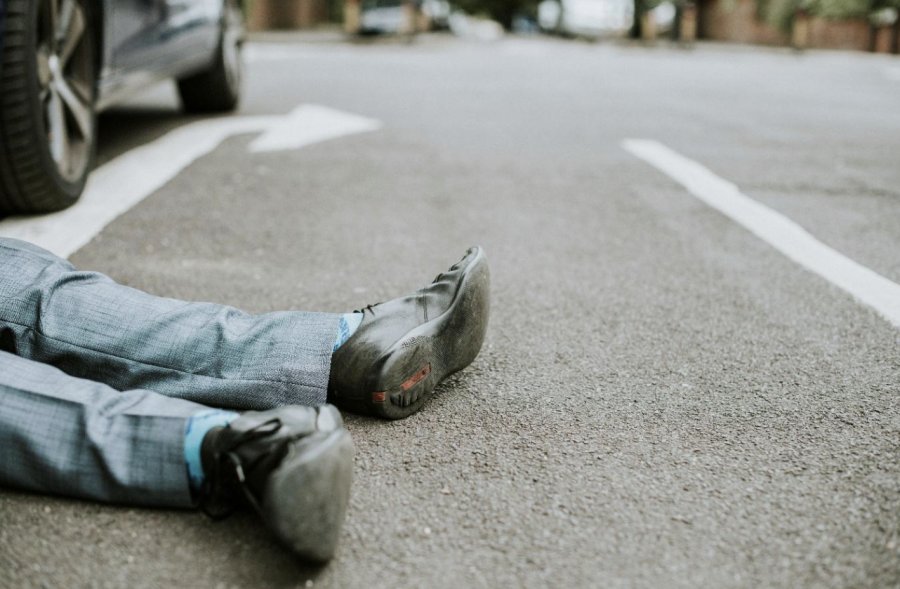
Let’s talk about what actually happens to the body. It’s gruesome, but necessary to understand why these cases are so high-stakes. When a car hits a pedestrian, the initial impact is just the beginning. There is the primary impact—the bumper hitting the legs. Tibia-fibula fractures. Knee destruction.
Then, there is the secondary impact. The body gets thrown onto the hood or the windshield. This is where we see traumatic brain injuries, concussions, and facial fractures.
And finally, the tertiary impact. Hitting the ground. Road rash, spinal injuries, and broken wrists from trying to break the fall.
The recovery from these injuries isn’t a straight line. A broken leg might heal in a few months, but what about the arthritis that sets in five years later? What about the TBI that leaves you with chronic headaches and memory fog? A quick settlement offer never accounts for the “five years later.” It only accounts for the “right now.” Assessing the true value of a claim means looking into the future. It means working with medical experts who can predict the long-term costs of your care.
Gathering the Evidence
How do you prove what happened? It’s not always he-said, she-said. We live in a surveillance state, which, in this specific instance, is actually a good thing for you.
Business security cameras. Traffic cams. Ring doorbells on nearby houses. Dash cams.
Dash cams are becoming ubiquitous. Drivers use them to protect themselves, but often, they capture their own negligence. Or the car behind them captures the whole thing. Securing this footage immediately is critical. It disappears. Systems overwrite data. If you wait a month to ask for the footage from that taco shop on the corner, it’s probably gone.
Witnesses are another degrading resource. Memories fade. People move. Phone numbers change. Getting statements right away—while the memory is fresh and raw—can be the difference between winning and losing.
The Role of Driver Behavior
We have to look at why the driver hit you. Was it just an accident? rarely. Usually, it’s a choice. A choice to look at a notification. A choice to speed. A choice to drive after a few too many drinks in Uptown.
Distracted driving is the plague of our roads. You see it every day. People are driving with their knees while they type a paragraph. It’s terrifying. When a driver is distracted, they don’t brake. They don’t swerve. They hit pedestrians at full speed because they never saw them.
Then you have the aggressive drivers. The ones weaving in and out of traffic, treating the Dallas North Tollway like the Autobahn. They don’t yield. They view pedestrians as obstacles, not people.
It’s crucial for everyone on the road to practice defensive driving techniques, but when they don’t, the vulnerable road users—the ones without the metal cages—pay the price. Proving that the driver failed to act reasonably is the core of the legal battle.
Dealing with Insurance Adjusters
Let’s circle back to the insurance companies. They are massive corporations. They have teams of lawyers and adjusters whose entire job is to minimize risk. They are very good at it.
They might ask for a recorded statement. They’ll say, “We just need to get your side of the story for the file.” It sounds harmless. It’s not. They are trained to ask questions that trap you.
“How are you feeling?” “I’m okay.”
Boom. You just went on record saying you are “okay.” Three months later, when you need back surgery, they will play that tape back. “He said he was okay.”
“Did you see the car coming?” “No.”
“So you weren’t looking?”
See how that works? Every word is potential ammunition. This is why you generally shouldn’t talk to them without representation. Let the professionals handle the communication. They know the traps. They know how to answer without giving away the farm.
The Human Element
Beyond the laws and the physics and the insurance tactics, there is the human element. The trauma.
PTSD is real. Being hit by a car is a violent, sudden event. It shatters your sense of safety. Many victims find it hard to walk near a road again. The sound of screeching tires can trigger a panic attack. The anxiety of crossing a street can be paralyzing.
This emotional distress is part of your damages. It’s “non-economic,” meaning you can’t put a receipt on it like a hospital bill, but it’s real. It has value. The law recognizes that your quality of life matters. If you can’t pick up your kids anymore because of a back injury, that’s a loss. If you can’t sleep because of nightmares, that’s a loss.
Quantifying this is an art. It requires painting a picture of who you were before the accident and who you are now. It requires testimony from family, friends, and therapists. It’s not just about numbers; it’s about the story of a life interrupted.
Taking the Next Step
If you are reading this, maybe you or someone you love is going through this right now. It feels lonely. It feels unfair. The system seems stacked against you. But it doesn’t have to be.
You have rights. You have the right to be safe on the streets of your city. You have the right to compensation when someone takes that safety away from you.
Don’t let the fear of the legal process paralyze you. The clock is ticking. In Texas, the statute of limitations is generally two years. That sounds like a long time, but investigations take time. Building a case takes time. Negotiating takes time.
The sooner you get moving, the better your chances. The evidence is fresher. The witnesses are available. The details are sharp.
Walking in Dallas shouldn’t be a death-defying act. But when the unpredictable happens, knowing where you stand and knowing you have options can make all the difference in the world. You focus on getting back on your feet. Let the experts handle the rest.