Philippines at the 2026 AFC Women’s Asian Cup: Matches, Challenges, and Fan Engagement
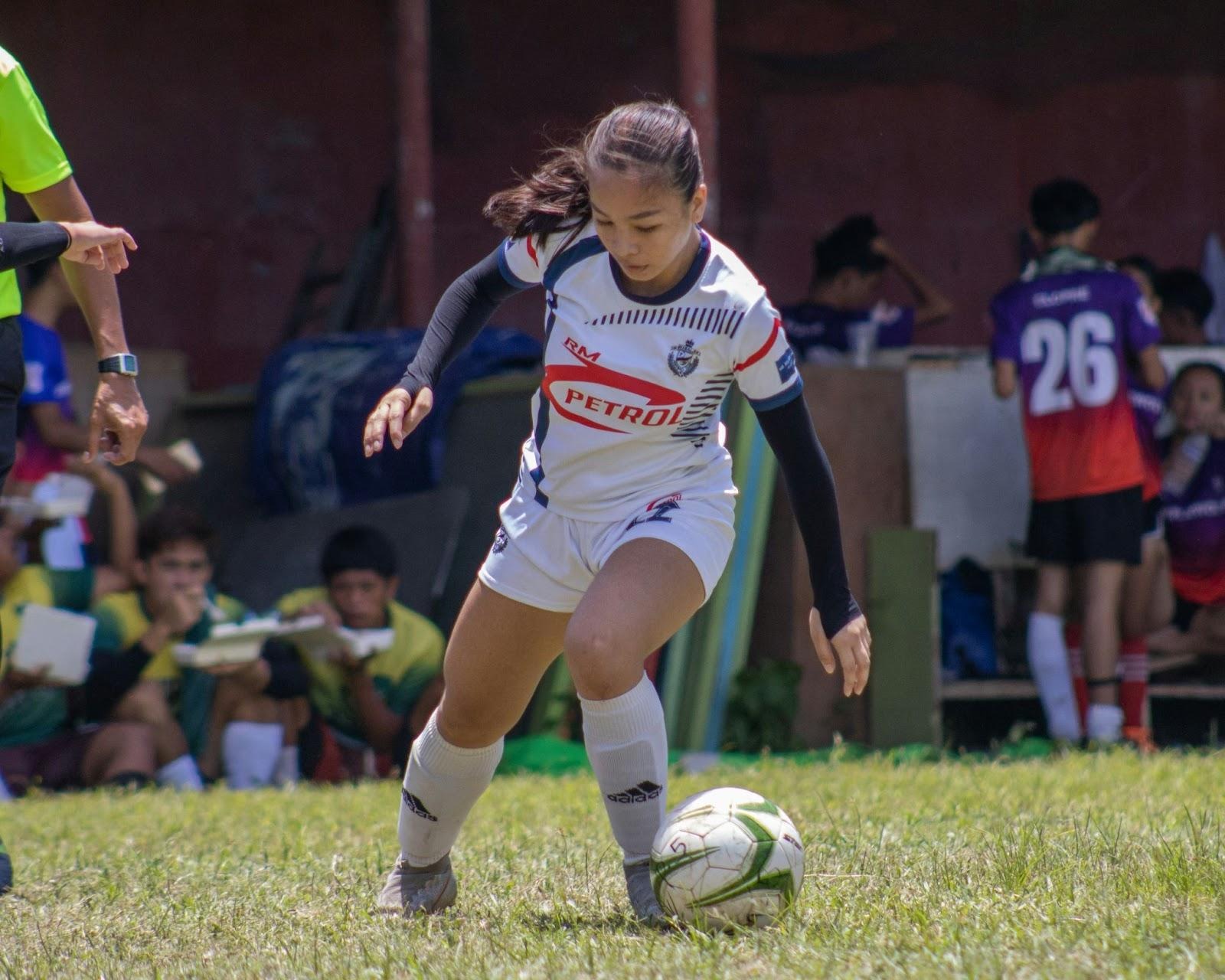
Guest Contribution – Some tournaments arrive with a poster and a promise. This one arrives with calendar alerts, flight itineraries, and a kind of nervous electricity that lives in the thumb: refresh, refresh, refresh. In March 2026, the AFC Women’s Asian Cup in Australia turns the Filipinas into the lead story on opening night, and into a three-match sprint where every goal difference can feel like a verdict.
The Philippines is in Group A with hosts Australia, 2022 finalists Korea Republic, and IR Iran, a draw that reads like a lesson plan in pressure. The tournament runs from 1-21 March across Perth, the Gold Coast, and Sydney, with the final at Stadium Australia on 21 March.
The draw that wrote the first chapter
The opening match is not hidden in the middle of the week, not tucked away in an early kickoff. Australia begins the tournament in Perth on Sunday, 1 March 2026, against the Philippines. It is the kind of fixture that turns the group into a headline before anyone has touched the ball.
For Filipino supporters, the countdown is also a digital ritual. Notifications and match trackers stack up beside highlight clips, and group chats start rehearsing arguments that will only make sense once the first lineup drops. During big international windows, the same second-screen habit that powers debate also pulls in live numbers; a fan can be watching a stream while keeping an eye on online betting markets that move with every stoppage.
Perth first: the opening-night problem
Australia is not just a host; it’s the Matildas, a side that expects crowds and brings them. Perth Stadium stages the opener at 5:00 pm local time, and the tone will be unmistakable: ceremony, noise, then the immediate demand to survive.
Tactically, the first challenge is emotional as much as it is athletic. A host nation tends to play with the wind at its back, and the opener tends to amplify every mistake. For the Filipinas, the best version of the night is simple: keep the match alive long enough for doubt to reach the stands. If the game stays tight into the second half, a moment can carry more weight than possession statistics.
Korea Republic and Iran: where the group tightens
Group A does not offer recovery days disguised as fixtures. The Philippines face South Korea on Thursday, 5 March 2026 at Gold Coast Stadium, a matchup that comes with pedigree: South Korea were runners-up at the 2022 AFC Women’s Asian Cup.
Then comes the closer, and closers have their own cruelty: Iran vs. the Philippines is scheduled for Sunday, 8 March 2026, at Gold Coast Stadium. By then, the table will have a shape, and the arithmetic will be public. The Filipinas may need points, goals, or both, and the match may demand taking risks that feel uncomfortable.
Torcaso’s squad and the names fans refresh
The Philippines arrived with a recent memory that still matters: qualifying with a perfect record in their group, a run that head coach Mark Torcaso framed around targets and discipline. Preparation is the only luxury available before a tournament like this, and Torcaso’s teams have leaned on clear roles and compact defending.
The names fans will be searching are familiar to anyone who watched the Filipinas’ 2023 World Cup breakthrough. Sarina Bolden remains a reference point up front because she has already scored the country’s most famous goal that sealed a historic World Cup win over co-hosts New Zealand. In the spine, veterans like Hali Long bring calm to moments when calm becomes a skill. And in the end, the tournament will reward keepers who can perform under pressure without blinking.
The tournament lives online
The modern way to follow a national team is rarely a single broadcast. It is an ecosystem. Filipino fans move between official tournament updates, federation posts, and a constant stream of short clips that make every tackle feel like a conversation starter.
Local viewing habits also lean heavily on mobile-first sports services. Platforms tied to Philippine sports coverage have trained fans to expect live events, highlights, and quick replays on their phones, not just on TV. Add global score apps and social platforms, and the result is matchday as a shared timeline: someone posts a lineup graphic, someone argues about midfield balance, someone drops a clip before the replay even airs.
Online communities do more than cheer. They translate tactics into everyday language, turn players into characters, and keep the sport present between matches. A good community can carry a team’s momentum across weeks; a good clip can carry it across borders.
Risk, ritual, and responsibility
Sports fandom in 2026 is built around information that updates fast. In that environment, sports betting Philippines has become another form of participation for adults who choose it. Used well, betting tools sharpen attention: markets react to substitutions, injuries, and momentum shifts, and the numbers force a fan to think in probabilities rather than certainties. Platforms like 1xBet fit into that same second-screen rhythm by offering match markets that update in real time, often alongside live data and in-play options that mirror how people already watch.
The line is discipline. Odds can amplify emotion, and emotion is already loud in knockout-qualification tournaments. The healthiest fan experience is the one that treats betting as entertainment, sets limits, and remembers that football’s appeal is its refusal to behave like a spreadsheet.
Matchday doesn’t end at full-time anymore
When the final whistle goes, the game keeps living—through clips, replays, reactions, and the long echo of “what if.” Digital platforms bundle that energy with other entertainment choices, and some fans move from match trackers into broader gaming options on the same night’s routine. In markets where that bundle exists, a user might also browse online casino Philippines selections after the match, treating them as part of a wider entertainment menu rather than a separate destination.
That convergence is also why federations and organizers care about digital engagement. Attention is a currency, and it flows where the experience feels seamless: watch, react, share, then stay.
What success looks like in March
For the Philippines, success at the 2026 Asian Cup can take many forms. It can be points on the table, a path to the knockouts, a statement performance against a heavyweight, or a tactical identity that travels beyond the tournament.
But there is another kind of success that matters in a football country still growing into its own women’s game: habit. If the Filipinas can make fans check fixtures, argue about lineups, and plan watch parties the way they do for other major sports, the sport’s future gets sturdier. In 2026, the Asian Cup will not only be a test of the team. It is a test of how big the community can grow when everyone watches together.
________________________________________________________________________________________________________________
Advertisements placed in our Guest Contribution sections are in no way intended as endorsements of the advertised products, services, or related advertiser claims by NewsroomPanama.com, the website’s owners, affiliated societies, or the editors. Read more here.