Why the Trump Administration is Holding Millions of Dollars from Venezuelan Oil Sales in a Qatari Bank
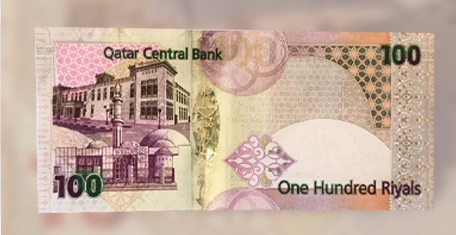
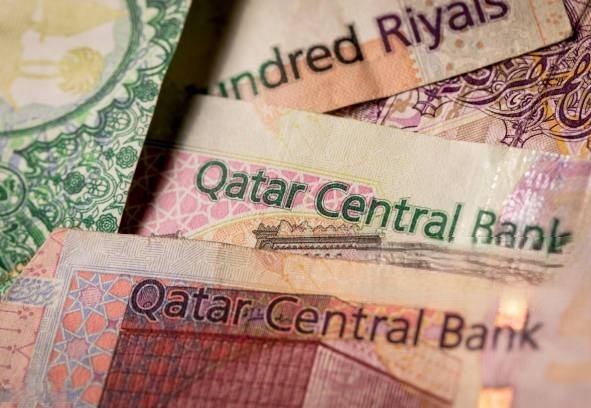
Hundreds of millions of dollars that the United States is raising from the sale of Venezuelan oil is being sequestered in Qatar. It’s an indirect path that could speed the flow of much-needed money to Venezuela, but it also raises questions about the transparency surrounding those funds. The Trump administration confirmed the first sale of Venezuelan oil saying it raised $500 million. It is just the first of numerous sales expected to bring in billions of dollars in the months – and potentially years – to come. The funds were sent to Qatar, rather than being held in US banks or sent directly to Venezuela, according to a former administration official familiar with the matter.
Treasury Secretary Scott Bessent told Newsmax Wednesday evening that the cash from the oil sales would start to flow into Venezuela as soon as Thursday. Venezuelan banks have started advertising cash, suggesting the oil proceeds have arrived in the country, two sources with knowledge of Venezuela’s financial system said. Venezuela has been sanctioned by Western governments across the globe, essentially cut off from the global banking system for years. Its authoritarian government seized oil assets over the past decades for which foreign energy companies have demanded compensation.
President Donald Trump has complained about Venezuela “stealing” American oil assets there, but he has also said it’s important that proceeds from the oil sales directly benefit Venezuela and prevent those with claims on Venezuelan oil revenue from getting access to the money that the US is now generating from those sales. Trump issued an executive order Friday in which he said any such attempts to put liens, garnishments or other legal judgments claiming those funds are blocked.
The order said if the funds were not free from such legal entanglements it would “substantially interfere with our critical efforts to ensure economic and political stability in Venezuela.” Placing the money into an account in Qatar – potentially out of the reach of western businesses and creditors who have claims for money they say they’re owed – is one way to achieve the administration’s goals.
Ensuring the Funds Benefit Venezuela
The fact that Venezuela’s creditors could slow such payments would pose a problem for both that country and the Trump administration. “It’s a real big problem. Venezuela owes money to everyone,” said one expert on foreign relations and Venezuela who spoke on the condition of anonymity to speak freely. The expert said that Qatar has long served as a facilitator between the United States and the Venezuelan government, even before the US seizure of Venezuelan leader Nicolás Maduro opened up more direct communications between the two governments.
And other experts told Newsroom Panama that Qatari banks have served a similar intermediary role during the Biden administration when it allowed some funds from oil sales to again flow to Iran during a loosening of the sanctions on that country. The Qatari banks holding the funds have been instructed to auction the money to Venezuelan banks, giving priority to food, medicine and small businesses, according to Alejandro Grisanti, founding director of Ecoanalitica, a Latin and South American consultant that operates in Venezuela, among other countries.
That money will be collected by the Central Bank of Venezuela and allocated according to the requirements set by the United States, Grisanti said. Bessent told Newsmax the proceeds will fund Venezuela’s government operations, security and food provisions. The White House would not comment directly on the funds going to a bank in Qatar before they are paid out to Venezuela. “As a reminder, Venezuela has been isolated from international banking for years,” said an administration official speaking on background. “As the administration moves quickly at President Trump’s direction, we are reviewing the existing legal parameters and restrictions.”
Transparency Concerns
But Trump’s executive order should have prevented the problem of creditors blocking the flow of necessary funds to Venezuela, the expert said. The fact the funds are being held in Qatar not only places it further outside of US legal challenges to that order, it also allows for less US transparency of the movement of cash. “Unless there’s some public plan that is going to come out and say here’s the government structure for this pot of money, who’s going to have control, here’s the various anti-corruption, anti-money laundering controls that are going to be put in place … this is being set up kind of like a slush fund,” said the expert who asked for anonymity. “It’s very troubling.”
That doesn’t suggest that the Trump administration is going to try to do anything nefarious with the money. But there are legitimate concerns that Venezuelan acting President Delcy Rodriguez will use funds flowing back to Venezuela to continue to pay off the corrupt parts of the government structure, including paramilitary groups and drug cartels, to maintain control of the country, according to the expert. Some critics of the Trump administration are questioning Trump’s motivation to send the money to Qatar. “There is no basis in law for a president to set up an offshore account that he controls so that he can sell assets seized by the American military,” said Sen. Elizabeth Warren, a Massachusetts Democrat, in a comment to Semafor, which first reported the money going to Qatar. “That is precisely a move that a corrupt politician would be attracted to.”
Jacob Shapiro is a good geopolitical analyst. Here he’s interviewing a Peruvian counterpart who also does podcasts talking about the latest news in Latin America. Panama comes up in the conversation around the 40 minute mark and so does Delcy Rodriguez, and gets very interesting around the 14 minute mark regarding Venezuela…. It is a well-rounded discussion of what is going on in Latin America if you have the time. Panama, Colombia, Mexico, Brazil, Chile, Peru, Cuba, Greenland and more.
Based on reports from early 2026, Diosdado Cabello and Vladimir Padrino López are recognized as two of the most powerful figures in Venezuela, commanding the military and police apparatus and remaining key players in the regime following the U.S. capture of Nicolás Maduro January 2026. You will hear about Cabello and Padrino.
Diosdado Cabello Rondón
- Role: Long seen as Maduro’s enforcer and a crucial link between civilians and the military. As of January 2026, he was identified as the Minister of Interior, Justice, and Peace.
- Background & Power: A former military captain, he controls large segments of the country’s repressive apparatus, including intelligence services and armed civilian groups (“colectivos”). He also hosts a weekly television show, “Con el Mazo Dando”.
- U.S. Charges: Indicted in the U.S. on drug trafficking and narco-terrorism charges, with a $25 million reward offered for information leading to his arrest. He is accused of being a leader in the “Cartel of the Suns”.
Vladimir Padrino López
- Role: Has served as Venezuela’s Minister of Defense since 2014, controlling the armed forces.
- Background & Power: A key military figure who has helped keep the regime in power, and has called for military resistance following the 2026 U.S. action.
- U.S. Charges: Accused of drug trafficking and protecting drug traffickers by allowing them to use Venezuelan airspace. The U.S. offers a $15 million reward for his capture.
2026 Context
Following the U.S. arrest of Nicolas Maduro and Cilia Flores on January 3, 2026, both Cabello and Padrino remained in Venezuela, with Padrino blaming the U.S. for the death of soldiers and security team members. They are considered potential “spoilers” in any transition of power, commanding the “men with guns” that remain the ultimate power in the country.