How to Ship Goods To and From Panama
Exporting goods to and from Panama has been gaining popularity among both businesses and individuals. Due to its strategic geographic location, as well as a well-developed logistics infrastructure, Panama is a major access point between North America and South America, Europe, and Asia. You might be a business owner who is venturing into overseas markets, or an individual who is moving goods, and time, money, and stress can be saved by understanding the shipping process.
This guide will present all the information you need to know to make transportation easy and efficient, such as shipping, documentation, costs, customs regulations, and tips from experts. You will also get acquainted with distance calculations in maritime logistics before getting into the water. Let’s get started.
1. Common Types of Goods Shipped To and From Panama
Panama is a critical part of world trade because of its exclusive position uniting the significant oceans and continents. New ports, logistic parks, and transport systems have been invested in to ensure goods go in and out of the country more efficiently.
To exporters and importers, it translates to reduced transit time, low shipping rates, and availability of developed maritime and air cargo services. Panama particularly finds favour in the re-export of goods to the Latin American markets.
Typical Goods exported and imported in Panama.
There are numerous products that are shipped in and out of Panama daily. It is useful to know what is usually passing through the country to align your shipping strategy.
Some of the common export and import goods are:
1. Electronic products and appliances.
2. Parts and equipment in the automotive industry.
3. Food and agricultural products.
4. Textiles and apparel
5. Construction materials
6. Pharmaceuticals and medical supplies.
Shipping can involve special permits or inspections of some goods, and this is why, before shipping goods, it is necessary to verify the regulations.
2. Shipping Methods Available
Different shipping methods will be selected according to your budget constraint, urgency, and types of cargo. The most used ones are listed below.
Ocean Freight
When a shipment is heavy or large, ocean freight is the most affordable. It is best to use with bulk goods, containers, and non-urgent cargo. Transit times are also longer, but it is more economical and is a good choice for businesses.
Air Freight
Air freight is the quickest form of shipping and one that can be used when time is important or when the goods are worth a lot of money. It is more costly but faster, more reliable, and less prone to handling.
Multimodal Shipping
This is a combination of ocean, air, and land modes of transport to ensure that the cost and delivery times are optimal. It is commonly applied to supply chains that are complicated.
3. Shipping Timelines and Transit Expectations
The time of transit is dependent on the place of origin, the place of destination, and the mode of shipping.
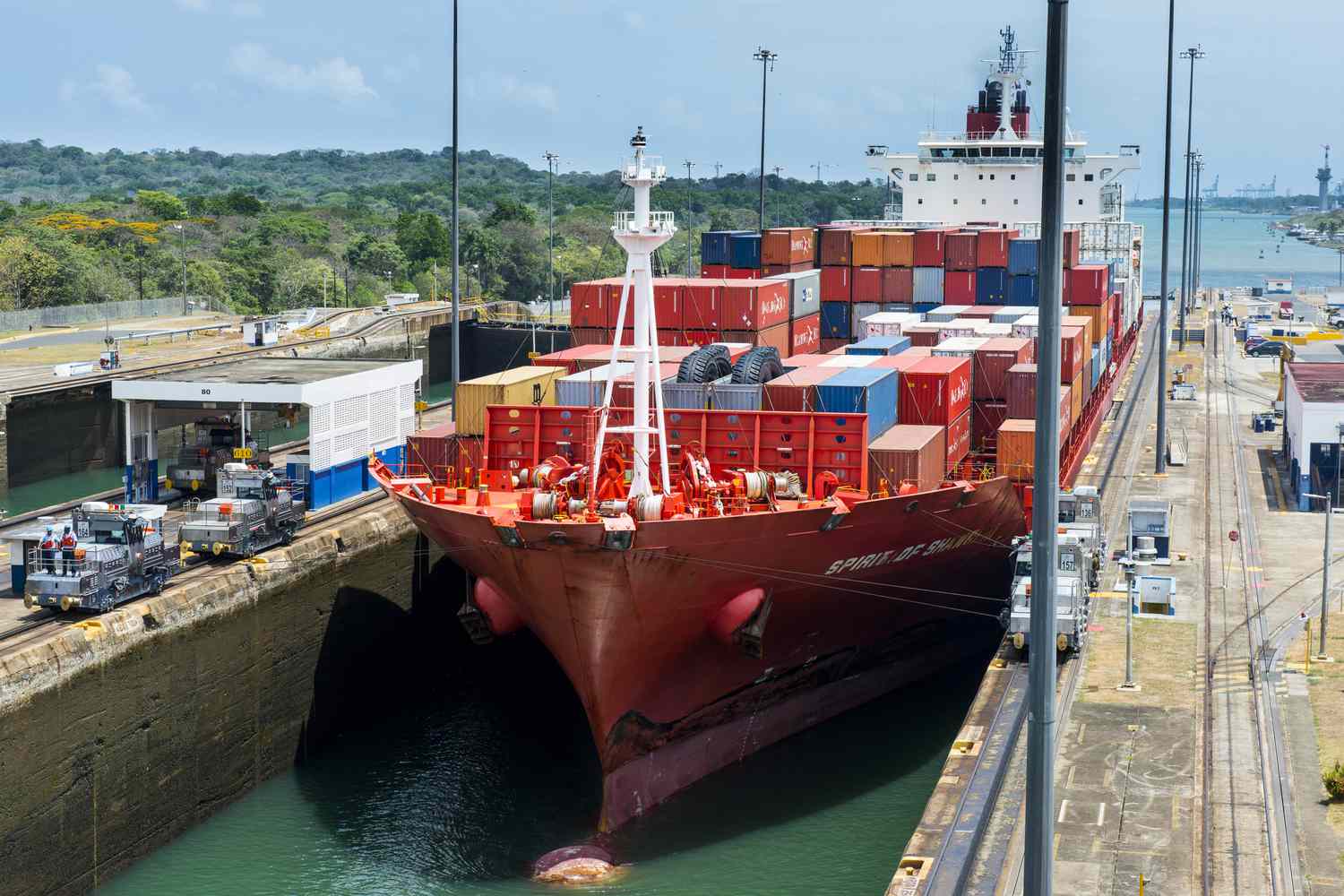
Ocean freight normally takes a few weeks. In logistics, shipping distances are measured in nautical miles, and one nautical mile is equal to 1.15 statute miles. This conversion may help you better understand how route length affects overall transit times. A sea freight ship usually goes through the Panama Canal within 10 hours. The total shipping time is decided by the departure port and the final destination.
Air freight is faster; on the other hand, it only takes several days to send goods.
However, you must always include weather, inspections, or congestion at ports in your timetable as buffer time.
4. Understanding Shipping Costs
The cost of shipping to and from Panama is different depending on a number of factors. This will be useful when you know them beforehand to plan your budget.
Key cost factors include:
1. Cargo weight and volume
2. Shipping method
3. Distance and route
4. Fuel surcharges
5. Customs duties and taxes
6. Insurance coverage
It is always advisable to request a detailed quote from freight forwarders to avoid fees that may be hidden.
5. Essential Shipping Documents
This is essential in ensuring that clearance of customs occurs smoothly. The loss or flawed paperwork may lead to delays and fines.
Some of the documents that are commonly needed are:
1. Commercial invoice
2. Packing list
3. Permission to import or export (when necessary)
4. Ensure that there is accuracy and consistency in documents
6. Customs Regulations and Compliance
Panama has strict customs that should be adhered to. Products that are imported or exported are analyzed, charged, and taxed depending on the product.
To stay compliant:
1. Proper classification of goods with HS codes
2. Declare accurate values
3. Search containment or prohibition
4. List licensed customs brokers
Compliance also helps to prevent delays and gain trust with authorities, which is also helpful when making repeat shipments.
7. Packaging and Labeling Best Practices
The best packaging will ensure the safety of the goods delivered. The main contributor to damage during transit is poor packaging.
Best practices include:
1. Durable and export-grade materials are used
2. Planning packages with clear labels of destination
3. Including handling instructions (fragile, keep dry, etc.)
4. Locking the products to stop them from being moved around
5. Proper labeling also accelerates the customs checks and delivery
8. Choosing the Right Freight Forwarder
The difference between a good shipping experience and a poor one can be a good freight forwarder. They arrange the transportation, documents, and customs.
In selecting a forwarder, consider:
1. Panama route experience
2. Transparent pricing
3. Strong customer support
4. Customs regulations information
A good partner eliminates risks and makes the whole process easier.
9. Insurance: Protecting Your Shipment
Shipping insurance is something that is not easily addressed but is highly vital. In spite of proper planning, accidents, delays, or damage may occur.
Cargo insurance provides:
Loss or damage protection: Financial
Peace of mind during transit
Value-based shipment coverage.
It is a cheap insurance for your goods, as the losses can be enormous
10. Tips for Smooth Shipping To and From Panama
The following are some of the tips that can be applied to make the experience hassle-free:
* Arrange deliveries far ahead.
* Triple-check every piece of paperwork.
* Keep up with the customs regulations.
* Make sure you relate effectively with your logistics service.
* Track shipments regularly.
* The secrets of successful international shipping are uniformity and planning.
11. Common Mistakes to Avoid
Even seasoned shippers are capable of errors. Avoid these common issues:
Coming up with a low cost of shipping.
Incorrect documentation.
Violating customs requirements.
Using the lowest price available without evaluating validity.
Conclusion
Exporting and importing goods in Panama can be a hassle-free and enjoyable experience when properly exercised. Panama has good global trade opportunities because of its strategic positioning and advanced infrastructure, as well as a good logistics network. When it comes to the logistics of any product, ensuring efficiency and the safety of movement is possible by selecting the appropriate shipping option, completing the relevant paperwork, observing customs, and collaborating with trusted logistics agencies.
To be a business shipper or shipper for personal reasons, adequate planning and knowledgeable decisions can be the key factors. Follow these tips as your roadmap, and you will be very prepared to ship to and from Panama with confidence.