What to Expect From a Dentist in the Medical District
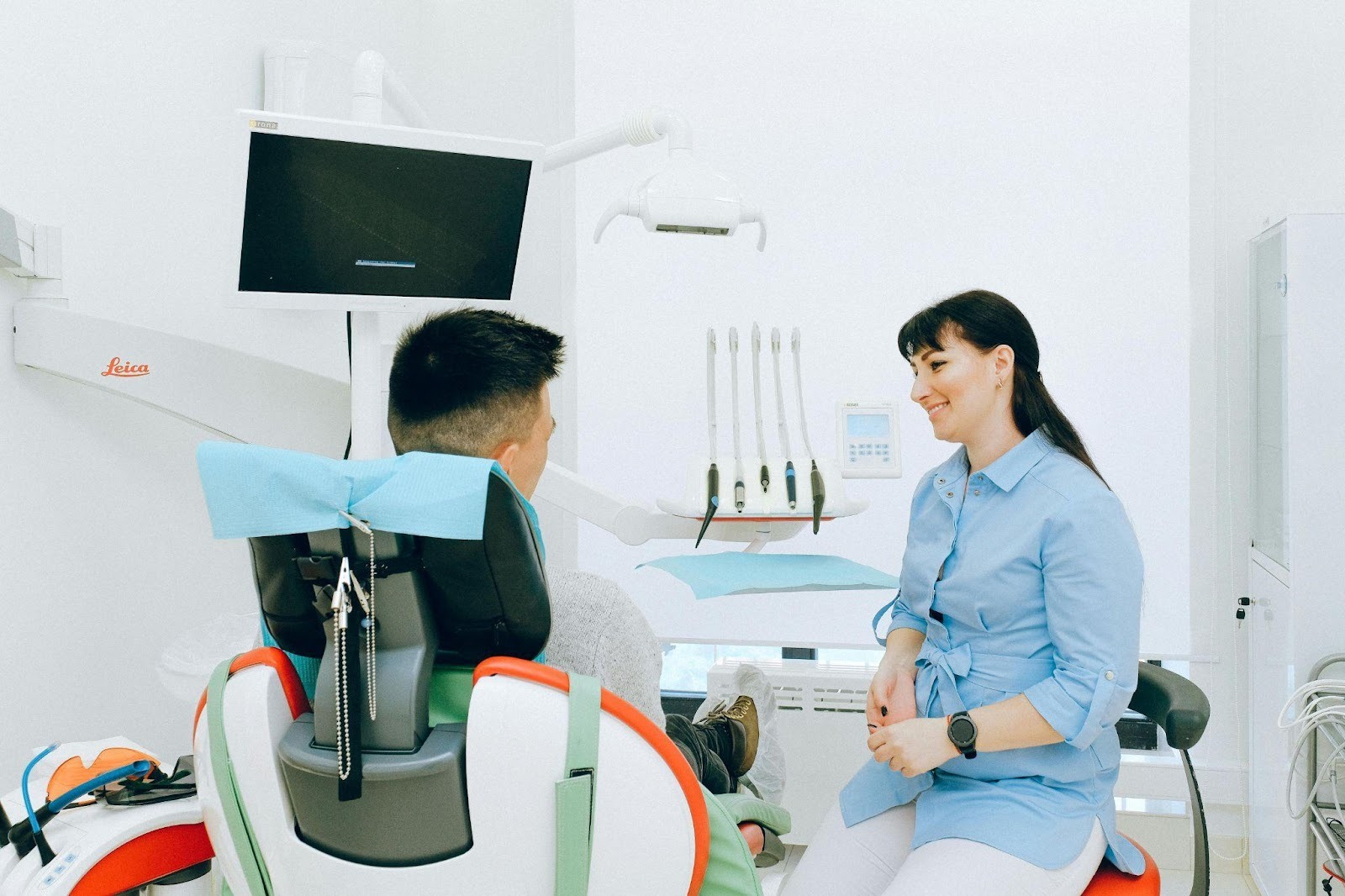
When you visit a dentist in the Medical District, you can expect more than just a routine checkup. From the moment you schedule your appointment, the focus is on your overall oral health and comfort, with many practices emphasizing access to affordable dental services nearby for patients in the area. You’ll go through a thorough evaluation that includes both a detailed health review and advanced diagnostic tools. Understanding what happens during your visit can help ease any concerns and prepare you for the care you’ll receive.
Scheduling Your First Appointment
When should you schedule your first dental appointment? Ideally, you should book it as soon as you decide to prioritize your oral health. Early scheduling helps you avoid delays and allows the dental team to prepare thoroughly. Before your visit, you’ll receive a pre appointment checklist—this guarantees you understand the necessary steps and what information to provide. Good patient communication is essential; don’t hesitate to ask questions or share concerns when booking. The dental office will guide you through insurance details, health history, and any initial paperwork. Clear communication helps create a comfortable environment and sets expectations for your visit. By scheduling promptly and following the pre appointment checklist, you lay the foundation for a smooth, effective dental experience.
What to Bring to Your Dental Visit
When you head to your dental visit, take care to bring essential documents like your ID and any referral forms. It’s also important to have your personal health information handy, including current medications and allergies. Don’t forget to bring your insurance details and payment method to guarantee a smooth check-in process.
Essential Documents Needed
Wondering what documents you should bring to your dental appointment? To guarantee a smooth visit, it’s important to have certain essential documents on hand. First, bring your dental records if you’re visiting a new dentist or transferring care. These records provide valuable insights into your dental history and help your dentist tailor treatment effectively. Additionally, identification verification is necessary to confirm your identity, so bring a government-issued ID like a driver’s license or passport. These documents not only protect your privacy but also streamline administrative processes. Having these essentials ready will make your appointment more efficient and comfortable, allowing your dentist to focus on providing the best care possible. Don’t forget to double-check these before you head out!
Personal Health Information
Bringing accurate personal health information to your dental visit is essential for safe and effective care. You should bring details about any current medications, allergies, past surgeries, and chronic conditions. This helps your dentist tailor treatments to your needs while minimizing risks. Rest assured, your personal privacy and health confidentiality are priorities for the dental office; they follow strict protocols to protect your sensitive information. You may also want to bring records from previous dental visits if available, as they provide valuable insights. Being prepared with thorough health information guarantees your dentist can make informed decisions, leading to better outcomes and a smoother appointment experience. Don’t hesitate to ask how your data is protected if you have any concerns about privacy.
Payment and Insurance Options
Along with providing your personal health details, it’s important to come prepared with the right payment and insurance information for your dental visit. Bring your current insurance card and be ready to discuss your insurance benefits so the office can verify your coverage and estimate any out-of-pocket costs. If you don’t have insurance, ask about available payment plans that can help manage treatment expenses over time. Dentists in the Medical District understand that dental care can be costly, so they often offer flexible options to make your visit more affordable. Being upfront about your financial situation allows the staff to tailor a payment approach that works for you, ensuring you receive the necessary care without stress over immediate costs.
Initial Consultation and Medical History Review
When you arrive for your initial consultation, you’ll be asked to complete a detailed health questionnaire to help your dentist understand your overall medical background. This is also your chance to openly discuss any dental concerns or symptoms you’ve been experiencing. Providing honest and thorough information guarantees your dentist can create the most effective care plan tailored to your needs.
Detailed Health Questionnaire
Although it might seem routine, completing a detailed health questionnaire during your initial consultation is a crucial step in ensuring safe and effective dental care. This form helps your dentist understand your overall health, any medications you’re taking, and potential allergies. It also addresses dental anxiety, allowing the team to provide personalized comfort measures. Your information is handled with strict patient confidentiality, so you can share openly without worry.
Here’s what the questionnaire typically covers:
- Your medical history, including chronic conditions or surgeries
- Current medications and allergies
- Lifestyle factors that might affect oral health, like smoking or diet
Providing accurate answers helps your dentist tailor treatments safely and effectively, creating a comfortable experience from the start.
Discussion of Dental Concerns
Why is it important to openly discuss your dental concerns during your initial consultation? Being transparent helps your dentist understand your unique needs, such as tooth sensitivity or issues with gum health. This conversation allows the dentist to tailor an effective treatment plan that addresses your specific symptoms and prevents future problems. During the medical history review, sharing details about any discomfort, bleeding gums, or sensitivity to hot and cold can reveal underlying conditions that might not be apparent during a routine exam. Don’t hesitate to mention lifestyle habits or past dental experiences that impact your oral health. By clearly communicating your concerns, you empower your dentist to provide personalized care, ensuring your comfort and long-term dental wellness. Your openness sets the foundation for a successful partnership in maintaining your smile.
Comprehensive Dental Examination Procedures
Since your oral health is closely linked to your overall well-being, an extensive dental examination is designed to thoroughly assess every aspect of your mouth. During your visit, the dentist will perform:
- Oral cancer screenings to detect any early signs of abnormalities, ensuring prompt treatment if needed.
- Gum disease assessments to evaluate the health of your gums and check for inflammation or infection.
- A detailed evaluation of your teeth, bite, and soft tissues to identify cavities, wear, or other issues.
These steps are essential in preventing serious problems and maintaining your smile’s health. Your dentist will explain findings clearly and discuss any necessary treatments with care and understanding, helping you feel confident about your dental care journey.
Diagnostic Imaging and Technology Used
Several advanced imaging technologies are used during your dental visits to provide a clear and accurate view of your oral health. X-ray technology remains a cornerstone, allowing your dentist to detect cavities, bone loss, and other issues not visible during a regular exam. Many dental offices now use digital imaging, which offers enhanced image quality and reduces radiation exposure, making the process safer and more comfortable for you. Digital images can be instantly viewed and shared, helping your dentist explain findings clearly. This technology enables early detection of problems, so you can receive timely care. By utilizing these diagnostic tools, your dentist guarantees a thorough evaluation, focusing on your well-being and helping you maintain a healthy smile.
Discussing Treatment Plans and Options
Once your diagnosis is clear, your dentist will walk you through the treatment options available to address your needs. You’ll discuss the benefits, risks, and expected outcomes of each choice to make an informed decision. Additionally, your dentist will help you understand the costs involved and how your insurance coverage applies.
Understanding Your Diagnosis
Although receiving a dental diagnosis can feel overwhelming, understanding your treatment options is essential to making informed decisions about your oral health. Your dentist will provide diagnosis clarity, ensuring you grasp the nature and severity of your condition. To help you achieve treatment understanding, consider these steps:
- Ask questions about your diagnosis to fully comprehend the problem.
- Review the recommended treatment plan carefully, including benefits and potential risks.
- Discuss any concerns or preferences to tailor the approach to your needs.
Exploring Treatment Alternatives
After you understand your diagnosis, the next step is to explore the treatment options available to you. Your dentist will discuss various approaches tailored to your specific needs, including traditional methods and alternative therapies. It’s important to evaluate all possibilities, especially if you’re interested in holistic approaches that emphasize overall wellness alongside dental health. These may include non-invasive techniques or natural remedies that complement conventional treatments. Your dentist will explain the benefits and potential limitations of each option, helping you make an informed decision. Remember, you’re encouraged to ask questions and express any concerns. Together, you and your dentist can develop a treatment plan that aligns with your health goals and lifestyle, ensuring you feel confident and comfortable throughout the process.
Costs and Insurance Coverage
Understanding the costs involved in your dental treatment is a crucial step in planning your care. Your dentist will work with you to create a treatment plan that fits your needs and budget. Here’s what you should consider:
- Insurance Plans: Check if your dental office accepts your insurance and what procedures are covered. Knowing this helps reduce unexpected expenses.
- Payment Options: Many practices offer flexible payment plans or financing to make treatment more affordable. Don’t hesitate to ask about these options.
- Cost Transparency: Request a detailed estimate before proceeding. This guarantees you understand all fees and can make informed decisions.
Preventive Care and Cleaning Services
While you might visit the dentist primarily for treatment, preventive care and cleaning services play an essential role in maintaining your oral health. Preventive dentistry focuses on stopping dental problems before they start, and regular cleanings are a key part of this approach. During your visit, the dentist or hygienist will thoroughly clean your teeth, removing plaque and tartar that you can’t eliminate with regular brushing. They’ll also check for early signs of cavities, gum disease, or other issues. By staying consistent with these appointments, you’re actively supporting your oral hygiene and reducing the risk of more serious problems. Remember, preventive care isn’t just about your teeth—it’s about your overall health and well-being, so don’t skip these crucial visits.
Specialized Dental Treatments Available
Several specialized dental treatments are available to address more complex oral health issues that go beyond routine cleanings and exams. When you visit a dentist in the Medical District, you can expect access to advanced care tailored to your needs, including:
- Cosmetic dentistry – Enhance your smile with procedures like veneers, teeth whitening, and bonding designed to improve aesthetics and boost confidence.
- Orthodontic treatments – Correct misaligned teeth or bite issues using braces or clear aligners, improving both function and appearance.
- Restorative procedures – Address damaged or missing teeth through crowns, bridges, implants, and root canals to restore oral health and functionality.
These treatments are performed with precision and empathy, ensuring your comfort while achieving ideal results for your dental health and smile.
Understanding Costs and Insurance Coverage
Because dental care can vary widely in cost depending on the treatment, knowing what your insurance covers is crucial to avoid unexpected expenses. When you visit a dentist in the Medical District, it’s important to discuss the fees upfront and verify your insurance benefits. Many plans have insurance limitations, such as coverage caps or exclusions for certain procedures, which can impact your out-of-pocket costs. If you’re concerned about affordability, don’t hesitate to ask about affordable dentistry options or payment plans your dentist might offer. Being proactive about understanding costs and insurance details helps you make informed decisions and guarantees your dental care fits within your budget while maintaining your oral health. Clear communication with your dental provider is key.
Follow-Up Visits and Ongoing Dental Care
After your initial treatment, scheduling follow-up visits is essential to confirm your oral health stays on track and any issues are promptly addressed. Your dentist will recommend regular check ups to monitor progress and prevent complications. These visits guarantee your smile remains healthy and vibrant.
Here’s what you can expect during your ongoing treatments:
- Evaluation of healing and effectiveness of previous procedures.
- Adjustments or additional care tailored to your specific needs.
- Professional cleanings to maintain ideal oral hygiene.
Frequently Asked Questions
How Do Dentists in the Medical District Handle Dental Emergencies?
Dentists in the medical district quickly assess your condition, following emergency procedures to provide urgent care. They’ll manage pain, prevent infection, and plan treatment, ensuring you get compassionate, timely help when dental emergencies arise.
What Infection Control Measures Are Followed in the Dental Office?
You’ll notice strict infection prevention with thorough sterilization protocols, including autoclaving instruments and sanitizing surfaces between patients. These measures guarantee your safety and help maintain a clean, hygienic environment during every visit.
Are Sedation Options Available for Anxious Patients?
Yes, sedation types like nitrous oxide, oral sedatives, and IV sedation are available to enhance your patient comfort. Dentists tailor these options to your anxiety level, ensuring a calm, stress-free dental experience.
How Do Dentists Coordinate Care With Other Medical District Specialists?
Dentists rely on interdisciplinary collaboration and robust referral networks to coordinate your care with other specialists. They communicate directly, ensuring your treatments align seamlessly, so you get thorough, well-managed healthcare tailored to your unique needs.
What Are the Office Hours and Weekend Availability?
You’ll find flexible office hours designed for patient accessibility, including weekday evenings and some weekend slots. Appointment scheduling is streamlined to fit your busy life, ensuring you get timely, convenient dental care without hassle.