Who Qualifies for All-On-6 Dental Implants in Spring Valley
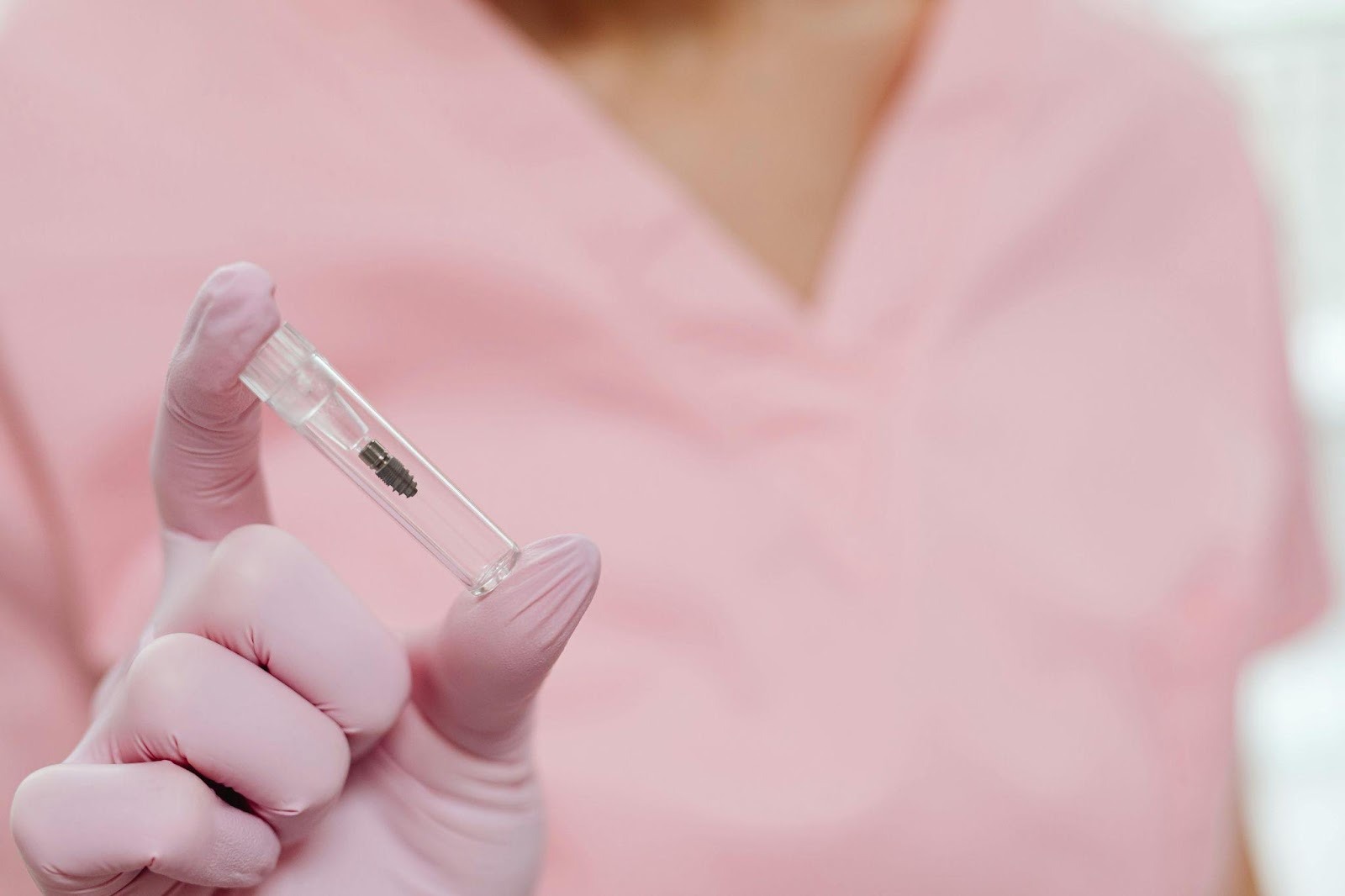
If you’re considering All-On-6 dental implants in Spring Valley, it’s essential to evaluate specific criteria. Your oral health should be excellent, with disease-free gums and adequate bone density. While age isn’t a limiting factor, those in later years require careful assessment for physiological changes. Medical history plays a significant role; conditions like uncontrolled diabetes might complicate surgery. Curious about other factors influencing candidacy for All-On-6 implants?
Understanding All-On-6 Dental Implants
While considering dental restoration options, it’s essential to understand the All-On-6 dental implants, especially if you’re seeking an extensive solution for full arch replacement. This procedure involves strategically placing six implants in the jawbone to support a full set of teeth, providing superior stability and functionality. Implant advantages include enhanced chewing capability, improved speech, and prevention of further bone loss, which traditional dentures can’t offer.
Patient testimonials often highlight the transformative impact on their quality of life, noting increased confidence and comfort. The fixed nature of these implants guarantees they remain secure, eliminating the inconvenience of removable dentures. Understanding these benefits, backed by clinical evidence and real-world experiences, will guide you in making an informed decision about pursuing All-On-6 dental implants.
Evaluating Oral Health for Implant Candidacy
To determine if you’re a candidate for All-On-6 dental implants, it’s vital to assess your gum health and bone density. Healthy gums are essential as they support the implants and reduce the risk of complications. Furthermore, adequate bone density is required to guarantee the implants have a stable and secure foundation. Working with a provider offering permanent fixed all-on-6 treatment in Spring Valley, NV ensures that the evaluation and procedure are conducted with the latest techniques for optimal results.
Assessing Gum Health
Evaluating gum health is an essential step in determining your candidacy for All-On-6 dental implants. Your gums must be free from gum disease, as infections could compromise implant success. A thorough examination will assess for signs of gingivitis or periodontitis, conditions that can undermine oral health. Maintaining impeccable oral hygiene is important; it means regularly brushing, flossing, and perhaps using antiseptic mouthwash to eliminate harmful bacteria.
Your dentist will measure pocket depths around your teeth using a periodontal probe. Deep pockets may indicate gum disease, necessitating treatment before implant placement. Healthy gums provide the necessary support and healing environment for implants. If your gum health meets these standards, you’re likely a good candidate for All-On-6 dental implants in Spring Valley.
Bone Density Requirements
A critical aspect of evaluating oral health for All-On-6 dental implants is ensuring sufficient bone density. Adequate bone density is essential for implant stability, which directly impacts the success of the procedure. If your jawbone lacks the necessary density, it can compromise the anchorage of the implants. In such cases, bone grafting options might be considered to enhance the bone structure, providing a stable foundation for the implants. Bone grafting involves augmenting the jawbone with natural or synthetic materials to increase volume and density. Before proceeding, your dental specialist will conduct a thorough examination, including imaging, to assess your bone health. This evaluation determines if bone grafting is required to achieve ideal implant stability and long-term success.
Bone Density and Implant Success
Understanding bone density is crucial in determining the success of All-On-6 dental implants. Adequate bone density guarantees the stability and integration of implants, directly impacting their longevity. If your bone density is insufficient, bone grafting options may be necessary to augment the existing bone structure. This process involves transplanting bone material to provide a robust foundation for the implants. Confirming sufficient bone support is essential because it facilitates osseointegration, the process where the implant fuses with the jawbone. This fusion is critical for the long-term success and functionality of the implants. Without adequate bone density, the risk of implant failure increases, compromising the desired outcome. As a result, a thorough assessment of bone density is indispensable for the best implant success.
Age Considerations for All-On-6 Implants
Although age is not a definitive barrier to All-On-6 dental implants, it requires careful consideration due to age-related factors. Senior candidates often have unique physiological changes that can affect implant success. While there are no strict age restrictions, evaluating bone density and healing capacity becomes vital. As you age, bone resorption might progress, impacting implant stability. However, advancements in implant technology and surgical techniques can accommodate these challenges. For senior candidates, thorough assessments guarantee ideal outcomes. Factors such as general health and oral hygiene play significant roles in determining suitability. Understanding that age doesn’t automatically preclude you from receiving implants is essential. Consulting with a dental professional can provide personalized insights into your eligibility for All-On-6 dental implants in Spring Valley.
Medical Conditions That May Affect Eligibility
When considering All-On-6 dental implants, it is important to evaluate any medical conditions that might affect your eligibility. A thorough review of your medical history is significant. Health conditions such as uncontrolled diabetes, autoimmune disorders, or bleeding disorders can complicate implant placement or healing. Additionally, osteoporosis may affect bone density, impacting the implant’s stability. If you have undergone radiation therapy in the jaw area, this too could influence your candidacy due to potential complications in bone healing. Cardiovascular conditions requiring anticoagulant therapy might necessitate additional precautions during the procedure. It is imperative to discuss all health conditions with your healthcare provider, ensuring they have a full understanding of your medical history, to determine your suitability for All-On-6 implants in Spring Valley.
Smoking and Its Impact on Implant Success
If you’re considering All-On-6 dental implants, smoking can greatly compromise implant success. Nicotine effects include reduced blood flow and impaired healing, both vital for osseointegration. Smoking increases the risk of infection, leading to implant failure. Nicotine also affects the immune response, making it harder for your body to fight off oral bacteria. Studies show smokers have a higher rate of implant complications compared to non-smokers. Smoking cessation is essential before and after implant surgery to enhance success rates. Quitting smoking improves blood circulation and accelerates tissue regeneration, creating a healthier environment for implants. Discuss smoking cessation strategies with your dental professional. Prioritizing this change guarantees a greater likelihood of achieving successful All-On-6 implant outcomes.
The Role of Gum Health in Implant Candidacy
When considering All-On-6 dental implants, your gum health is a critical factor in determining candidacy. Healthy gums provide the necessary foundation for implant stability, while gum disease can compromise this support, potentially leading to implant failure. Addressing any periodontal issues before the procedure is essential to enhance long-term success and functionality.
Importance of Healthy Gums
Although often overlooked, the health of your gums plays an important role in determining your candidacy for All-On-6 dental implants. Healthy gums provide the necessary support and stability for implants, ensuring long-term success. Maintaining ideal gum health requires diligent oral hygiene practices, including regular brushing and flossing. These practices help in removing plaque, preventing inflammation, and maintaining the integrity of your gum tissue.
Your dentist will evaluate your gum health through a clinical examination, evaluating factors such as gum color, texture, and attachment level. Healthy gums should be firm, pink, and free from bleeding. If your gums don’t meet these criteria, it may delay your implant procedure. As a result, prioritizing gum health is vital as part of your preparation for All-On-6 dental implants.
Gum Disease Impact
While often underestimated, gum disease can greatly impede your candidacy for All-On-6 dental implants. Healthy gums provide essential support for implants, while diseased gums threaten stability and longevity. Here’s how gum disease factors into your implant candidacy:
- Bone Loss: Advanced gum disease can lead to significant bone loss, reducing jawbone density, which is essential for implant support.
- Inflammation: Persistent inflammation from gum disease can interfere with the osseointegration process, where the implant fuses with the bone, jeopardizing implant success.
- Treatment Options: Prior to implant consideration, you may require periodontal treatment options, such as scaling or root planing, to restore gum health and guarantee a stable foundation.
Addressing gum disease is critical to enhance your eligibility for successful All-On-6 dental implants.
Importance of Commitment to Oral Hygiene
A commitment to oral hygiene is essential for the long-term success of All-On-6 dental implants. By adhering to strict maintenance routines, you guarantee that your implants remain functional and free from complications. Daily brushing and flossing are non-negotiable tasks to prevent plaque accumulation and gingival inflammation. Employ a soft-bristled toothbrush and non-abrasive toothpaste to safeguard both implants and surrounding gum tissue.
Regular dental check-ups play a pivotal role in monitoring the health of your implants. Professional cleanings remove calculus that home care might miss, minimizing the risk of peri-implantitis. Additionally, your dentist will assess the implant alignment and detect any early signs of failure. Adopting these practices fosters ideal oral hygiene and contributes to the enduring success of your All-On-6 implants.
Financial Considerations for All-On-6 Implants
When considering All-On-6 dental implants, it’s crucial to evaluate the financial implications, as these restorations represent a considerable investment in your oral health. Understanding the costs involved can help you make informed decisions. Here are key financial considerations:
- Affordable Financing: Many dental practices offer financing plans to spread the cost over time, making the procedure more accessible.
- Insurance Coverage: Review your dental insurance policy to determine if any portion of the implant procedure is covered. Coverage can vary greatly, so a thorough check is necessary.
- Out-of-Pocket Costs: Beyond insurance, anticipate additional expenses such as consultations and follow-up visits. Understanding these can prevent unexpected financial burdens.
Consultation and Assessment Process
The initial phase of obtaining All-On-6 dental implants involves a thorough consultation and assessment process, which is critical for determining the suitability of the procedure for each patient. You’ll engage in a structured consultation process where dental professionals conduct a detailed evaluation. This includes a detailed medical history review, oral examination, and diagnostic imaging, such as X-rays or CT scans. The assessment criteria focus on your oral health, bone density, and overall medical condition to guarantee implant viability.
Your dentist will evaluate gum health, jawbone structure, and any underlying issues that might affect implant success. They’ll also discuss your expectations and answer questions. This meticulous approach guarantees that the All-On-6 implants are tailored to your specific needs, maximizing both efficacy and longevity.
Frequently Asked Questions
Can Dietary Habits Affect the Success of All-On-6 Dental Implants?
Yes, your dietary habits can greatly impact the success of all-on-6 dental implants. A balanced diet positively affects the nutritional impact on your body’s healing process, ensuring ideal integration and longevity of the implants, minimizing complications.
How Long Is the Recovery Period After Getting All-On-6 Implants?
After getting all-on-6 implants, the recovery period typically lasts 3-6 months. Pain management is essential during the initial weeks, and the healing process involves osseointegration, ensuring implant stability and function. Follow your dentist’s guidelines closely.
Are There Any Dietary Restrictions After All-On-6 Implant Surgery?
Yes, you should adhere to a soft foods diet to support the healing process after All-On-6 implant surgery. Avoid hard or crunchy foods as they can disrupt the implants’ stability and prolong recovery time.
Can All-On-6 Implants Be Customized for a Natural Look?
Yes, all-on-6 implants can be customized for a natural look. Implant aesthetics focus on mimicking natural teeth, and customization options include selecting tooth color, shape, and size to guarantee your implants seamlessly blend with your existing dental structure.
What Is the Lifespan of All-On-6 Dental Implants?
The lifespan of All-On-6 dental implants typically ranges from 10 to 20 years. Implant longevity largely depends on proper maintenance. Key maintenance tips include regular dental check-ups, daily brushing, flossing, and avoiding hard foods to prevent damage.