China Seeks Controlling Stake in Panama Canal Port Facilities
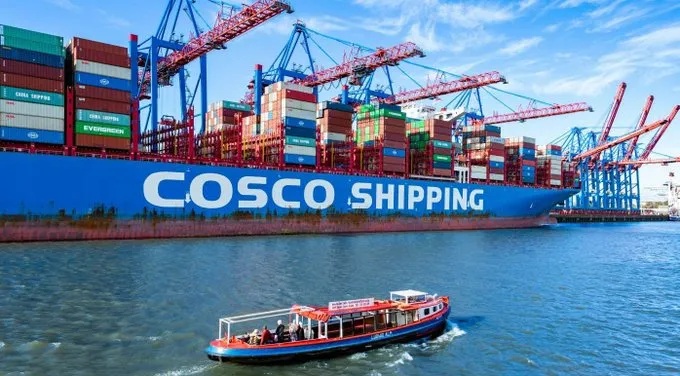
Negotiations over the sale of Panama Canal port facilities and other operations have stalled as China seeks a controlling interest as a condition of the deal. Beijing is demanding that state-owned shipping line Cosco gets a controlling stake in the US $22.8 billion sale of Hong Kong conglomerate CK Hutchison Holdings, owned by billionaire Li Ka-shing, according to the 17 December report. In April, China had blocked the sale, which included terminals at the Panamanian ports of Cristobal and Balboa, near the Panama Canal, saying it planned a formal review.
The Panama ports have been at the centre of a geopolitical tug of war after US President Donald Trump threatened to take back control of the Panama Canal, which he claimed was under China’s control, the report said. Cosco had also been a target of the US administration, after a US probe found Beijing allegedly used anti-competitive measures to build a dominant position in shipping and shipbuilding. The latest development was reported by the Wall Street Journal, citing sources familiar with the negotiations. Although US investor BlackRock and Geneva-based Mediterranean Shipping Co had agreed to offer Cosco an equal share, negotiations hit a roadblock following China’s latest demands, the report said.
In an email, a BlackRock spokesperson said the company had no comment. At the time of the report, Cosco had not responded to messages and a Hutchison spokesperson was not available for comment. The Hutchison sale agreement covers terminals at a network of 43 ports in 23 countries, according to the report. Built by the USA, the Panama Canal opened in 1914. Connecting the Atlantic and Pacific oceans, the 82km waterway was administered by the USA until 1999, when control of the waterway was given solely over to Panama under a treaty signed by US President Jimmy Carter in 1977. The Panama Canal connects 180 maritime routes that reach 1,920 ports in 170 countries around the world, through which around 3% of global maritime trade passes, according to the Panama Canal Authority (ACP).