Disinfection Arrives in Chitré Panama after the Crisis of Seven Months Without Water
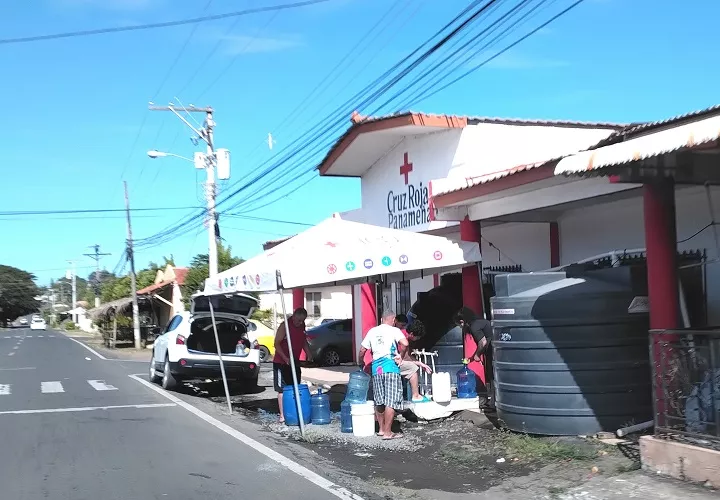
The population has been supplied with water at various points, including reserve tanks installed in strategic locations. Authorities hope this new process will mark the beginning of the definitive end to a severe crisis, gradually restoring normality to the region.
Following the completion of the pipe disinfection work in the district of Las Tablas, a process that affected the supply to all customers served by the Rufina Alfaro plant, the drinking water system sanitation plan now moves to the district of Chitré, one of the areas with the highest population concentration in the province. The process will be carried out at the Roberto Reyna water treatment plant, which supplies the district of Chitré, another of the sectors impacted by the river pollution that occurred approximately seven months ago.
The regional director of IDAAN in Herrera, Yauruslaidis Ibarra, reported that the internal disinfection of the Roberto Reyna water treatment plant will be carried out this weekend, which will leave the entire population of the Chitré district, estimated at about 60,000 people, without drinking water. Ibarra explained that, since it is an internal process within the plant, once the work is completed and the water supply to the lines is restored, which is expected to happen on Monday morning, the water can only be used for hygiene and personal grooming, reiterating that the water will still not be suitable for human consumption.
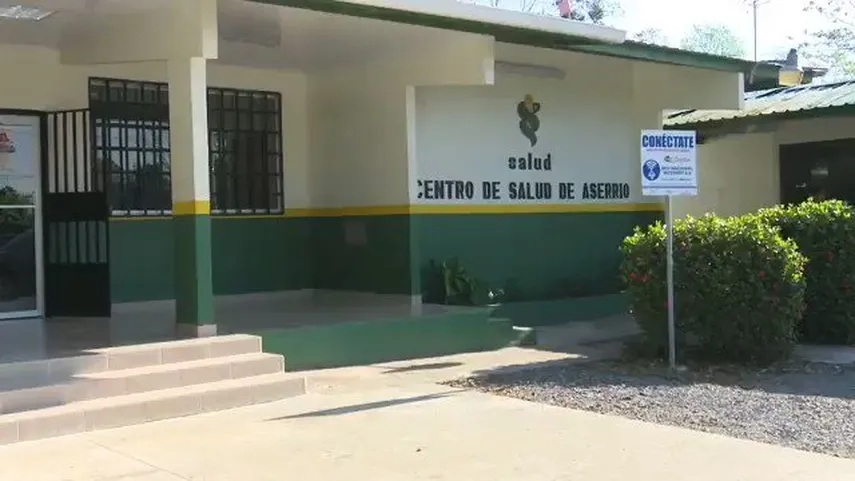
This will continue until all phases of the sanitation process are completed and certification from the Ministry of Health is obtained. Meanwhile, the population has been supplied with water at various points, including reserve tanks installed in strategic locations. They have also been supplied with water by tanker trucks, especially in hospitals, health centers and schools, specifically those that house students in the process of revalidation.
Ibarra indicated that coordination has been carried out with other institutions for this process, which is a light of hope since, throughout these seven months; the residents of Chitré have faced one of the most difficult stages in terms of access to drinking water, adjusting their daily lives, economy, and family routines to a prolonged situation of uncertainty. Authorities hope this process will mark the beginning of the definitive end to a severe crisis, gradually restoring normality to thousands of families who have lived for months under severe restrictions on an essential service such as water.