Update: US Military Gains Access to South America Air Base
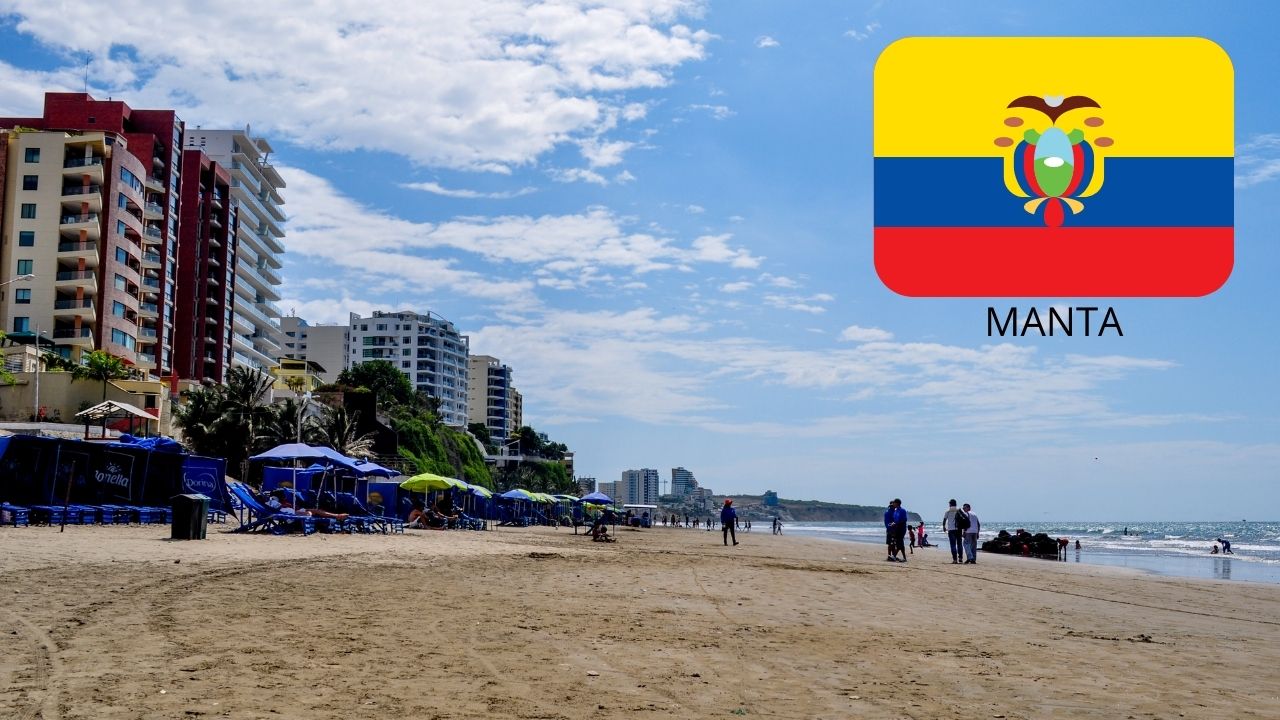
U.S. Air Force personnel have joined forces with their Ecuadorian counterparts at a base in Manta in Ecuador for a temporary anti-narcotics operation. “This short-term joint effort is carried out as part of our long-term bilateral security strategy, in line with the currently valid agreements in accordance with Ecuadorian law,” the U.S. Embassy stated on X this week. Newsweek has contacted the U.S. State Department and Ecuador’s foreign ministry for further comment.
Why It Matters
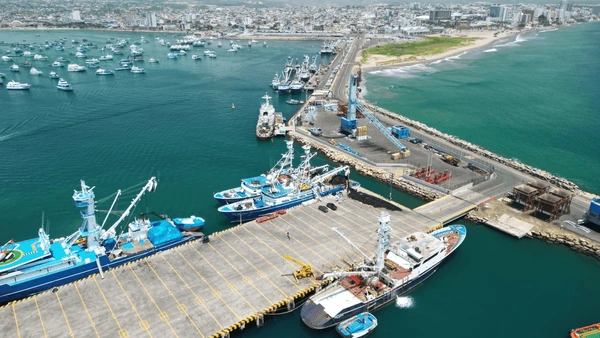
Ecuadorian voters recently rejected a referendum to allow permanent foreign military bases, reaffirming the ban on foreign bases like the one the U.S. previously operated in Manta. The vote came after Ecuador’s president sought U.S. military assistance and supported the opening of U.S. military bases in the ports of Manta and Salinas following Homeland Security Secretary Kristi Noem’s visit to the Manta military base in November.
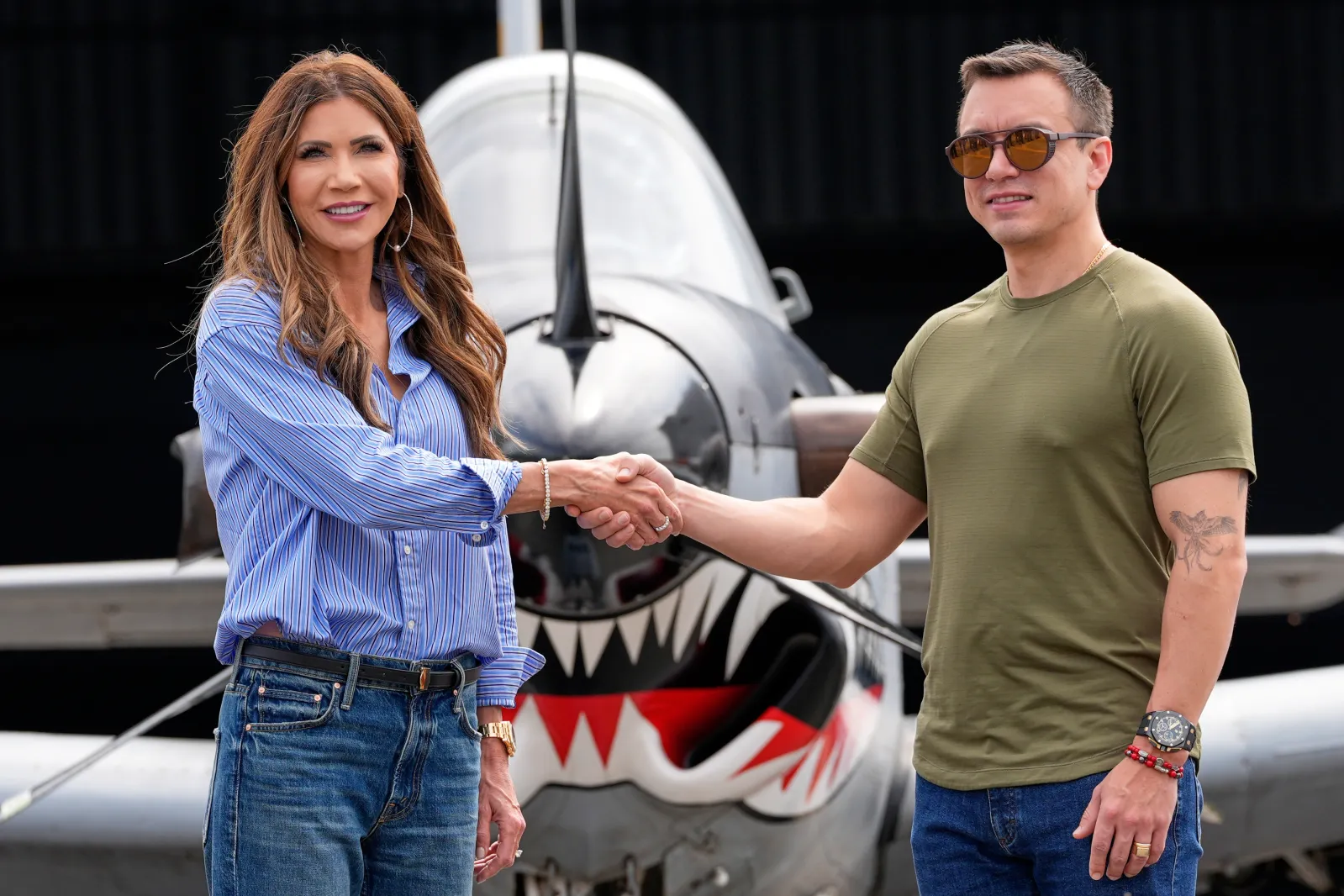
U.S. Homeland Security Secretary Kristi Noem, pictured above is greeted by Ecuadorian President Daniel Noboa at Ulpiano Paez Air Base in Salinas, Ecuador, on November 6, 2025.
The latest move comes amid tensions over the U.S.’ expanded military presence in the Caribbean and Eastern Pacific under President Donald Trump’s intensified anti-drug campaign and potential military action against Venezuela’s President Nicolas Maduro. Ecuador and the U.S have activated a temporary operation at the Manta air base, which Ecuadorian President Daniel Noboa described as “part of a long-term bilateral security strategy,” on his X account. The move comes as Ecuador faces an unprecedented surge in drug-related violence, with homicide rates rising sharply over the past three years and criminal groups expanding their control over coastal trafficking routes.
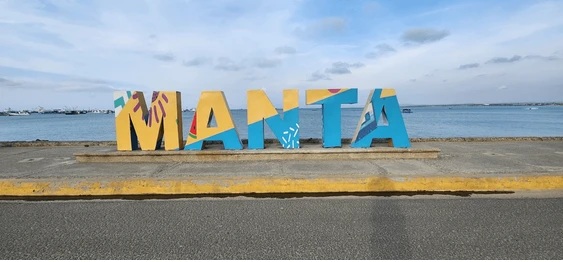
In an operation earlier this month, U.S. Special Forces under Southern Command assisted Ecuador’s 4th Army Division in a counter‑narcotics action in Esmeraldas on December 3, seizing 1.4 tons of cocaine with a value of about $98 million. Manta, a strategic Pacific port city, previously hosted a U.S. forward operating location until 2009, when Ecuador banned foreign military bases. Several U.S. allies, including El Salvador and the Dominican Republic, have backed U.S. operations, granting American forces access to local bases and airports. Washington has also expanded its regional footprint by reopening Puerto Rico’s Roosevelt Roads Naval Station and sending additional forces to the U.S. Virgin Islands. Other governments, such as that of Colombia have been more critical, and tensions between Trump and Colombian President Gustavo Petro have also emerged.
What People Are Saying
U.S. Embassy in Ecuador on Wednesday: “The operation will enhance the capacity of the Ecuadorian military forces to combat narco-terrorists, including strengthening intelligence gathering and anti-drug trafficking capabilities, and is designed to protect the United States and Ecuador from the threats we share.”
What Happens Next
If the U.S. strikes Venezuela, Latin America’s readiness to challenge U.S. military force will be tested, according to a recent assessment by the Council on Foreign Relations, which added that the region is currently “highly fragmented,” with nations primarily pursuing their own agendas.
Russia Issues ‘Fatal Mistake’ Warning to Trump Admin Over Venezuela
Russia’s Foreign Ministry issued a new warning to the Trump administration on Thursday amid escalating tensions between the United States and Venezuela. “We note continuous and deliberate attempts to escalate tensions with our ally Venezuela. Unilateral decisions creating a threat to international shipping are particularly alarming,” the ministry said in a statement, per Russia’s Tass news agency. “Hopefully, the Trump administration, known for pursuing a rational and practical policy course, will stop short of making a fatal mistake and refrain from escalating things down a path that may cause unpredictable consequences for the entire Western Hemisphere.”
Why It Matters
President Donald Trump announced Tuesday that the U.S. had imposed a “total and complete” blockade of all sanctioned oil tankers entering and leaving Venezuela, saying that the country had taken what was rightfully the U.S.’s oil, land, and other assets. Russia has been a longtime ally of Venezuela, as has Iran, and the country has the world’s largest oil reserves, meaning Trump’s actions in the region will have a global impact.
What To Know
Moscow’s message comes after Trump said on Tuesday that the U.S. military build-up around Venezuela would continue to grow until it returns the “oil, land, and other assets that they previously stole from us.” Concern has been growing in the U.S. and around the world that Trump is on the verge of declaring war with Venezuela after months of targeted deadly strikes on alleged drug smuggling vessels in the Caribbean Sea and Pacific Ocean led up to a Venezuelan oil tanker being seized by the U.S. On Wednesday, another lethal strike was carried out in international waters in the Eastern Pacific Ocean, according to the U.S. Southern Command, killing four alleged smugglers. In all, 98 people have been killed by U.S. forces.
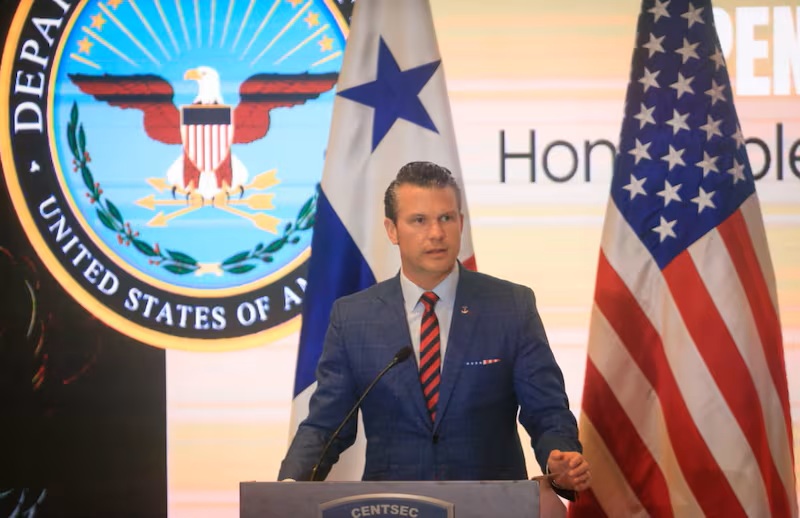
U.S. Secretary of Defense Pete Hegseth, pictured above, has insisted the operations are lawful. He has framed them as “lethal, kinetic strikes” intended to destroy “narco-boats” and kill “narco-terrorists,” while asserting that every trafficker killed was tied to a designated terrorist organization. Speaking about the blockade on Wednesday, Trump cited the lost U.S. investments in Venezuela when asked about his newest tactic in a pressure campaign against leader Nicolás Maduro, suggesting his administration’s moves are at least somewhat motivated by disputes over oil investments, along with accusations of drug trafficking.
Some sanctioned tankers are already diverting away from Venezuela. Russia’s Foreign Ministry affirmed Thursday its solidarity with Venezuelans, and the Maduro administration’s efforts to protect the country’s national interests and sovereignty. Iran has shared similar messages of solidarity, as the U.S. has moved military resources closer to the South American nation.
What People Are Saying
President Donald Trump, speaking about the blockade on Wednesday: “We’re not going to be letting anybody going through who shouldn’t be going through. You remember they took all of our energy rights. They took all of our oil not that long ago. And we want it back. They took it—they illegally took it.” Venezuelan President Nicolás Maduro, speaking on Wednesday: “It is simply a warmongering and colonialist pretense, and we have said so many times, and now everyone sees the truth. The truth has been revealed. The aim in Venezuela is a regime change to impose a puppet government that wouldn’t last 47 hours, that would hand over the Constitution, sovereignty, and all the wealth, turning Venezuela into a colony. It will simply never happen.” Senator Mark Kelly, an Arizona Democrat, wrote on X on Wednesday: “Congress authorizes any military action into Venezuela, not the president. I’ll keep holding the Administration accountable for their actions.”
What Happens Next
While U.S. forces have been maneuvered into the waters around Venezuela, and the blockade continues on Venezuelan oil tankers, Trump has yet to announce full-scale military action against the country.