2 out of 10 Afro-Descendant Children in Panama Live in Poverty, a Study Reveals
At least 12,000 children are out of the school system in Panama.
Unrivalled cuteness
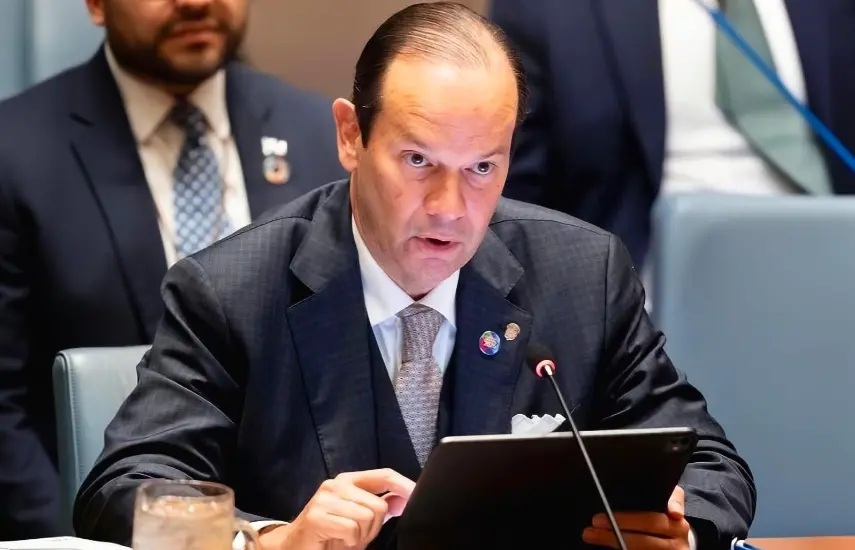
The “Ombudsman’s Report on the Situation of the Rights of Afro-descendant Children and Adolescents in Panama”, prepared by the Ombudsman’s Office, together with the United Nations Children’s Fund (UNICEF), reveals that 2 out of every 10 Afro-descendant children live in poverty. The findings show that Afro-descendant girls, boys, and adolescents continue to face exclusions and inequalities that limit their comprehensive development. Yesterday, in his presentation, Eduardo Leblanc González, the Ombudsman, indicated that the document includes findings obtained through visits to Afro-descendant communities in Colón and Panama, consultations with government institutions, organizations and Afro-descendant social leaders.
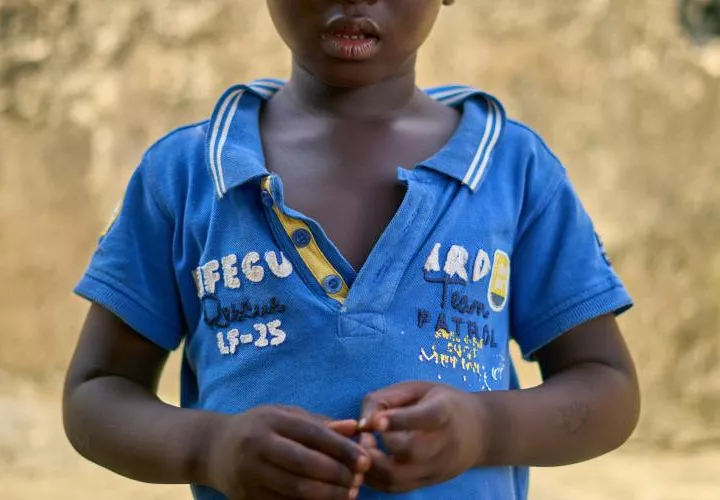
“Afro-descendant children and adolescents have spoken to us with profound clarity about the inequalities they face: from gaps in health and education to the multiple forms of racism and violence that permeate their lives. Their testimonies remind us that these are not isolated situations, but structural realities that we must urgently transform,” said Leblanc. According to the report, the most violated rights of Afro-descendant children and adolescents are protection in the family environment, living free from violence and discrimination, education, and participation in cultural life. According to the 2023 Census, the Afro-descendant child population in Panama amounts to 312,412 people, which represents 26% of the population under 18 years of age in the country.
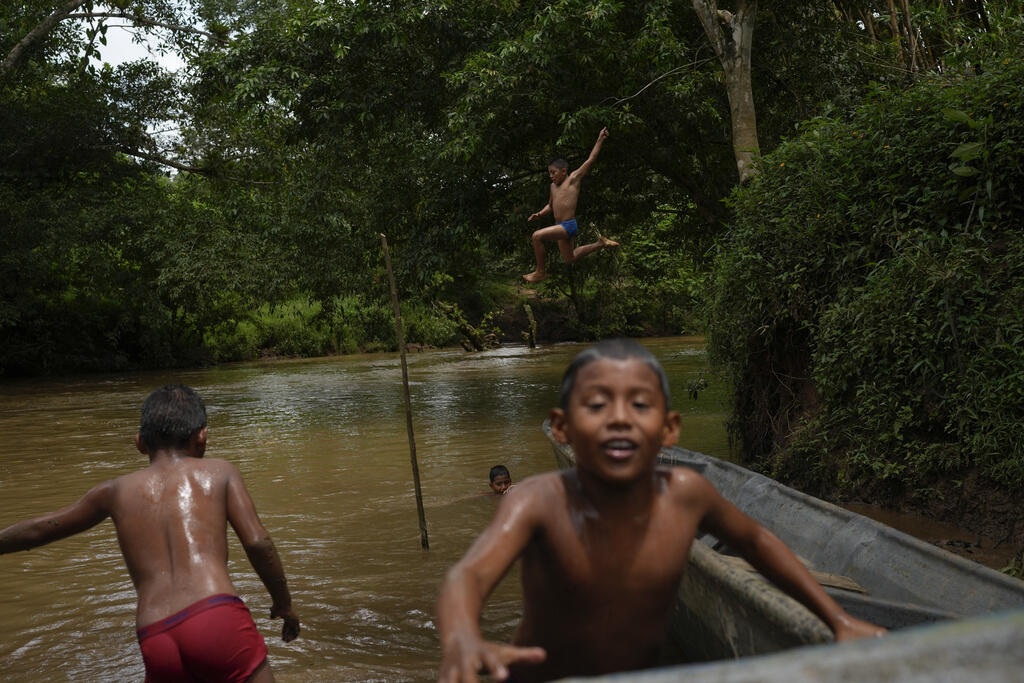
The findings reveal that 2 out of every 10 Afro-descendant children live in poverty, and there are at least 12,000 children, between the ages of 6 and 17, outside the school system. It highlights that rates of violent discipline in their homes are higher than in the general population (51% versus 45%), especially corporal punishment (34% versus 29%). The report indicates that over 6,000 are working and another 6,000 are in early unions, the majority of them women. Furthermore, it emphasizes that the teenagers report discrimination and bullying because of their ethnicity. According to the Ombudsman’s Office, this first report lays the groundwork for institutions to implement actions aimed at improving access to the rights of Afro-descendant children and adolescents with an intersectional and territorial approach. “It is clear that there is a lack of data disaggregated by ethnicity that would allow for the identification of persistent gaps,” the organization adds.