7 Types of Emotional Losses You Can Claim in a Truck Accident Lawsuit
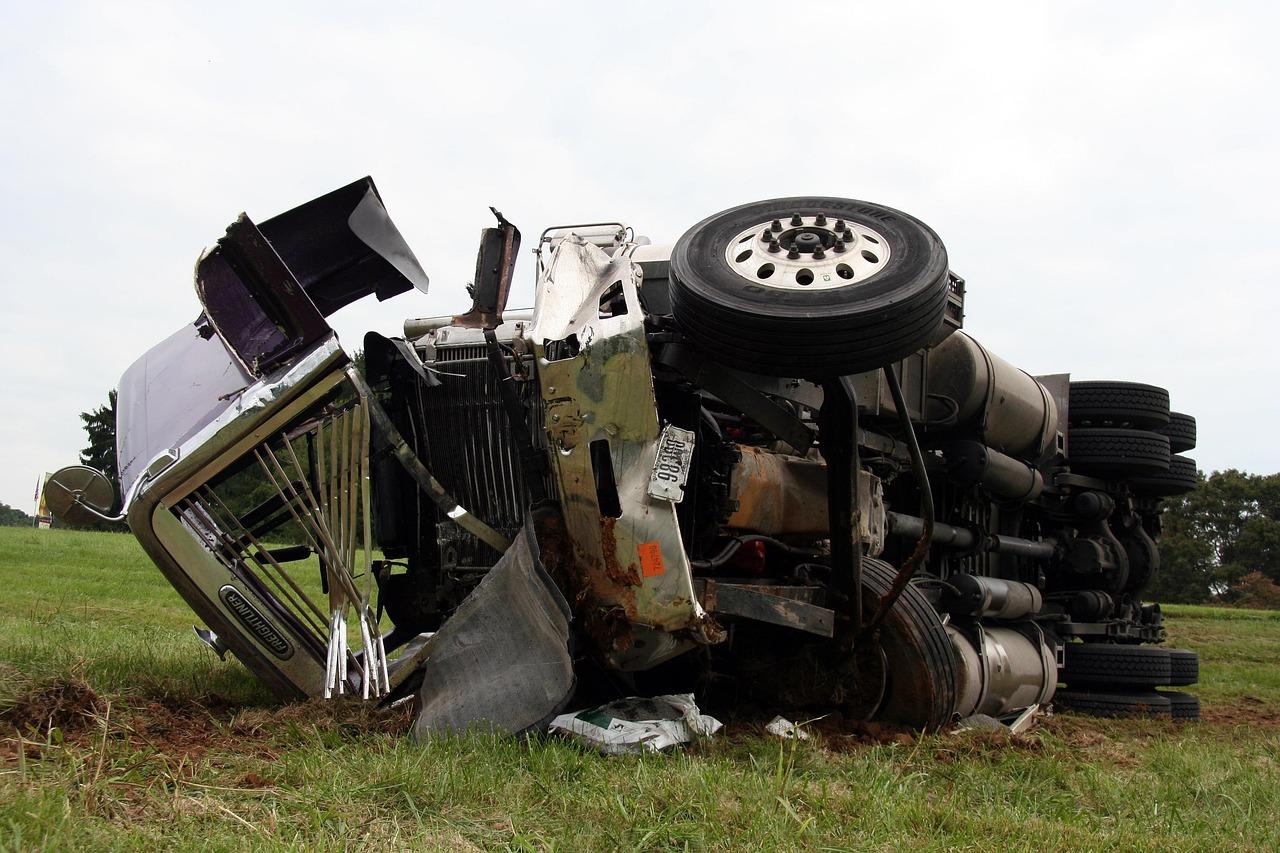
No matter how big or small, accidents can sometimes profoundly alter a person’s life. At times, accidents cause only physical distress, but there are also cases where accidents have caused lifelong mental distress for those involved.
A truck accident is one of the most significant and most devastating experiences a person can ever be a part of. Such a huge event can have damaging effects on the victim’s mental health.
Many people suffer from mental distress without knowing that it is compensable damage when it comes to a truck accident lawsuit. So, when you are going to file a lawsuit, you must also learn how to calculate non-economic damages like emotional distress, along with the physical damages.
Here are 7 types of emotional losses you may be able to claim in a lawsuit.
1. Pain and Suffering
It is not only the physical pain that a person suffers that comes under the category of pain and suffering, but also the emotional distress that a devastating incident like a truck accident may bring to the person.
The emotional pain and suffering of a victim can be anything, like anxiety from the crash, depression, insomnia, or the overall mental anguish resulting from their injuries. The person is also entitled to compensation for the suffering caused by the change in their day-to-day life.
2. Loss of Enjoyment of Life
Sometimes, a truck accident can cause permanent or long-term injuries to the person involved in the accident, such as being unable to walk or restricted muscle movements. Such injuries often prevent them from doing the things they once enjoyed, like playing with their children, hiking, engaging in sports, and more.
We all know how being stopped from doing what you love can take a toll on your mental health and is a severe loss. Such emotional losses are also recognized by the court as legitimate losses and are claimable.
3. Psychological Trauma from the Crash
Truck accidents are scary to witness, so you can only imagine how traumatic it must have been for a person who has been a victim of the crash. Many victims have post-traumatic stress disorder (PTSD), panic attacks, and many other mental health issues.
They get recurring flashbacks of the incidents, nightmares disturbing their sleep, and even extreme fear of driving, which may require therapy or medications. When diagnosed, such distress can be claimed via a lawsuit.
4. Loss of a Dependent
No one expects our loved ones to leave us in just a fraction of a minute. Such sudden accidents leave the loved one unable to cope with the loss. In many cases, when a direct relative of a person passes away, like a spouse or a parent, the victim suffering might be a dependent of the person.
Such victims not only have to face emotional stress but also have to take on sudden responsibility. In such cases, courts may provide compensation to the deceased’s surviving family members.
5. Immense Grief
A fatal truck accident may leave the victim’s loved ones with immense grief. When a loved one is unable to come over due to the loss resulting from the incident, it can be claimed in a lawsuit. The trauma may impact a person’s ability to concentrate at work and their overall lifestyle. In such cases, the court will provide emotional compensation to help with their mental recovery.
6. Fear of Future Accidents
For a person who has been in a destructive accident like a truck crash, it is only natural to have a fear of future accidents. This anxiety can affect the daily life and mental well-being of the person. When such fears limit your ability to drive or travel, you may be entitled to compensation.
7. Embarrassment
A severe truck accident may sometimes lead to disfigurement or disability, causing emotional harm in the form of embarrassment to the victim. They might be ashamed due to visible scars or might need to use a wheelchair, making them wonder how others look at them. Such types of emotional damage are also considered in personal injury claims.