
Panama and Costa Rica Safest Countries in Central America to Travel in 2027.
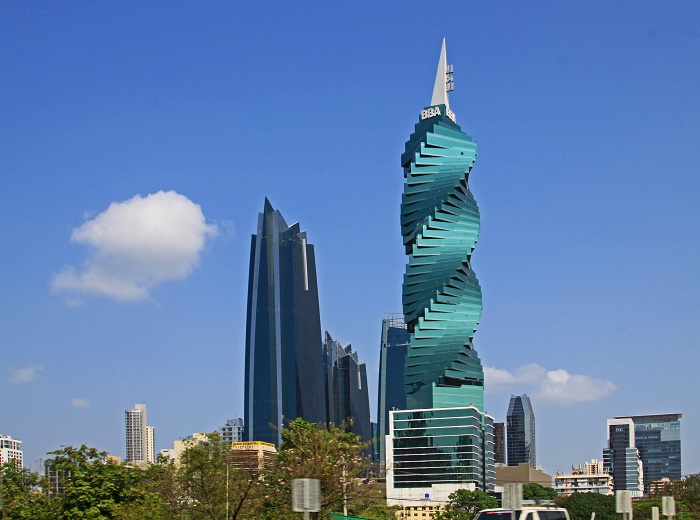
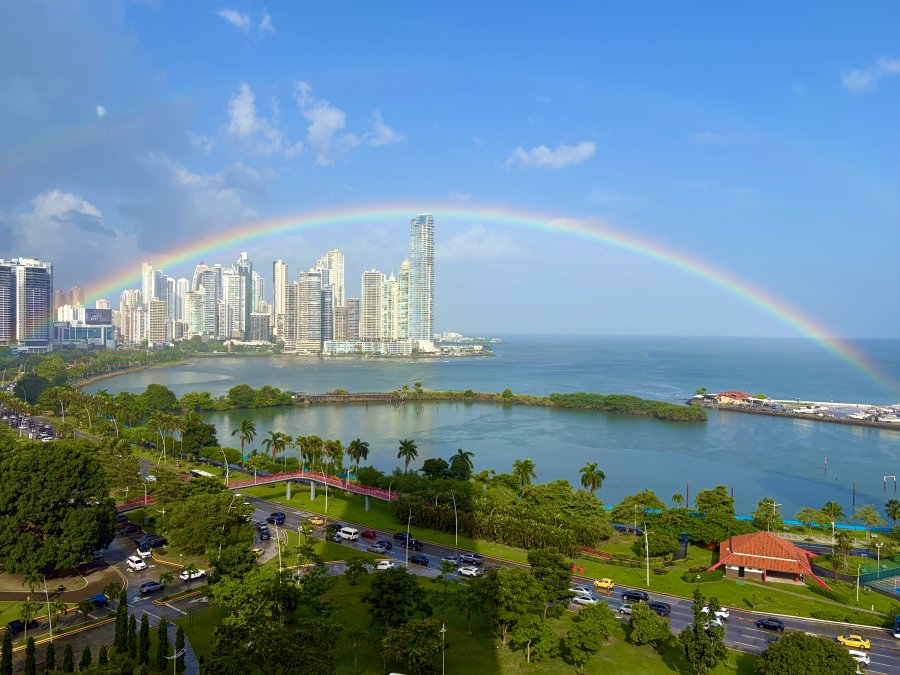
Panama is consolidating its position as one of the safest countries to travel to in Central America during 2027, according to the international report Global Risk Map 2027 prepared by the corporate security firm Global Guardian.
Panama stands out for presenting the lowest combined risk thanks to its institutional stability, consolidated tourism infrastructure, and low political risk, the report highlights. The only specific warnings for Panamanian territory are concentrated in certain neighborhoods of its capital and in the Darién jungle region, on the border with Colombia, where authorities do not recommend tourist travel due to the lack of government assistance.
In keeping with this stability, Costa Rica, along with Panama, is establishing itself as the safest and most peaceful destination in the region, not appearing in any of the highest-risk or alarming categories of the global report. Both nations stand out in Central America for providing the best institutional and security conditions for visitors. However, the report mentions that Costa Rica faces increasing pressure linked to drug trafficking, which has led to a spike in homicides in specific provinces.
Which Countries are the Most Unsafe?
At the opposite end of the regional ranking, Nicaragua and Guatemala have the most severe travel alerts in Central America for 2027:
Nicaragua leads the world in the category of risk for arbitrary detention, defined as the pattern of arresting foreign nationals without legitimate cause to exert diplomatic pressure. The democratic backsliding of a de facto government, restrictions on civil liberties, and the lack of judicial guarantees place it in a highly vulnerable position.
Currently, Nicaragua is described by numerous international human rights organizations as an authoritarian regime, in which Ortega and his wife, Rosario Murillo, concentrate much of the political and institutional power.
Guatemala ranks as the second most dangerous country in Central America, with the highest levels of urban crime, to the point that Guatemala City is among the most dangerous cities in the world. Furthermore, it maintains Level 3 travel advisories (“reconsider travel”) issued by the United States due to crime and terrorism, restricting entry to departments such as San Marcos and Huehuetenango, as well as Zone 18 of the capital and Villa Nueva.
Honduras has a general travel advisory at level 3 for crime and terrorism, which is raised to level 4 (“do not travel”) for the Gracias a Dios department. Belize, meanwhile, is at level 2 (“exercise increased caution”), although southern Belize City remains under a level 3 advisory for gang violence.
Regarding El Salvador’s status, the Global Guardian report did not include an assessment using its own data. However, government records highlight a drastic drop in its homicide rate (1.3 per 100,000 inhabitants in 2025) under the Territorial Control Plan and the state of emergency declared by President Nayib Bukele. Lacking its own data, the Global Risk Map 2027 could not make a direct comparison with other countries.