
Excerpts from The Ultimate Guide to Panama City
By Steph Dyson (National Geographic Traveller U.K.)
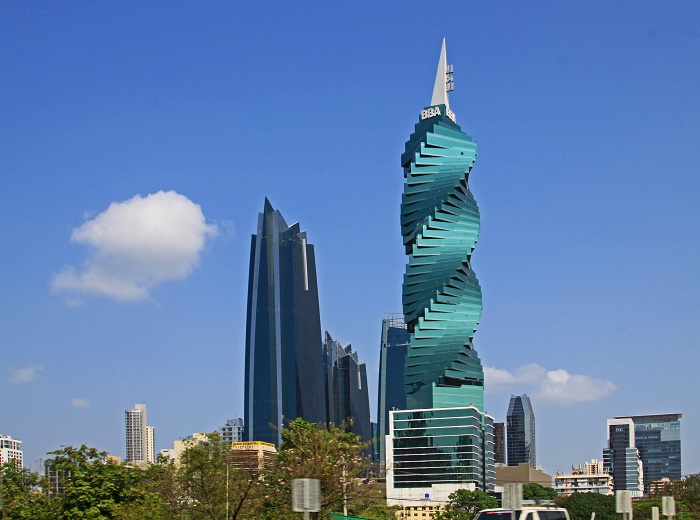
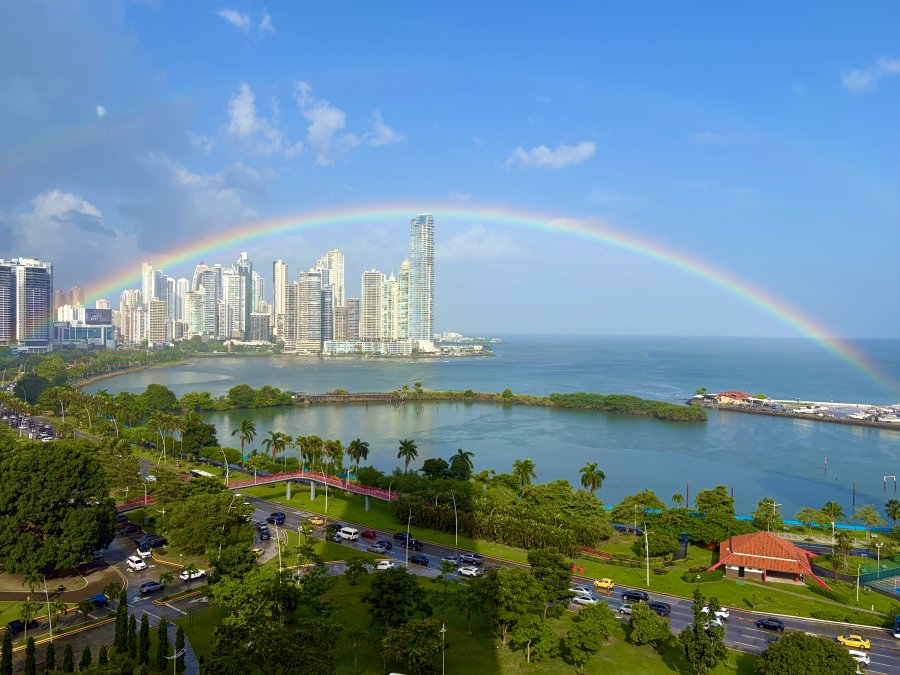
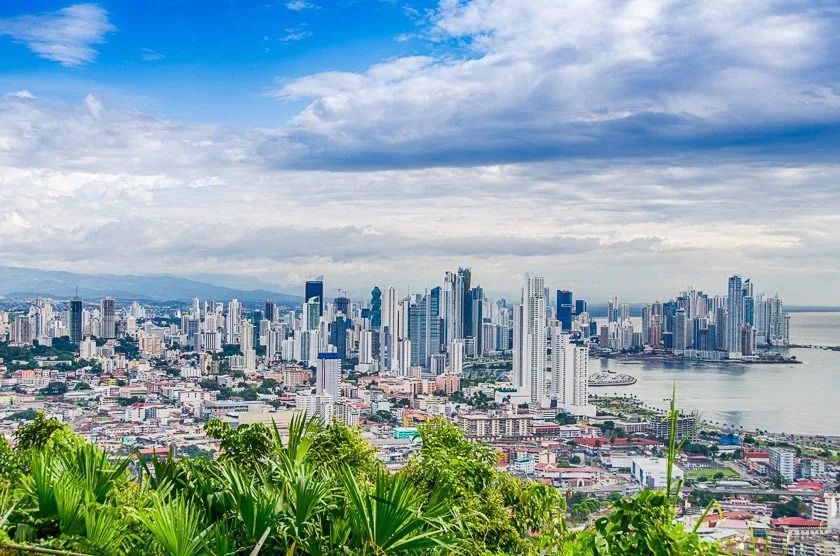
At first glance, Panama City is all flashy skyline, its slew of sparkling high-rises towering above the waters of the bay like a cartoon vision of a futuristic metropolis. But, the so-called ‘Miami of Central America’ has a hidden history, one that extends far beyond the canal that first put it on most travellers’ mental map.
Where the rainforest meets the city: an inside guide to Panama City
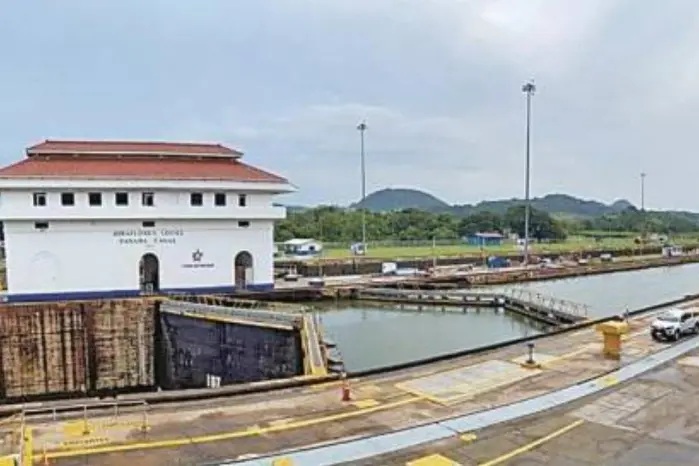
Panama is effectively a borderland between Central and South America, and its famous canal — built in the early 1900s — slices the country in two. This 51-mile waterway is a giant shortcut, connecting the Pacific and Atlantic oceans, sparing sea travellers an 8,000-mile voyage around the continent’s southern tip. Each year, billions of dollars’ worth of cargo travel along it, and the comings and goings of ships make for a surprisingly fascinating visitor attraction. But it’s just one aspect of the city’s appeal.
Since its UNESCO World Heritage inscription in 1997, the city’s 17th-century Casco Viejo or Old Town has seen a flood of investment, jumpstarting the restoration of long-neglected mansions. In the intervening years, chic rooftop bars, ocean-front hotels and characterful boutiques have occupied these spaces. The neighbourhood’s architecture is a unique blend of neo-classical French, colonial Spanish and art deco: buildings that bear the imprint of the various imperialist powers, which once wrestled over its control.
This power struggle has shaped the city’s food culture, too. There is growing local pride in its cuisine, significantly influenced by the arrival of the migrant workers who built the country’s railroad and canal. Whether you’re headed for fine dining in Casco Viejo or a family-run affair in the foodie neighbourhood of San Francisco, expect dishes that reflect the city’s diversity and draw on the culinary traditions of its Afro-Panamanian, Creole and Asian inhabitants.
Panama’s name is Indigenous in origin and is thought to mean an ‘abundance of fish, trees and butterflies’, the country has more species of birds and plants than Canada and the US combined. Hidden among the capital’s skyscrapers are wildlife-rich parks, tropical forests in miniature and the eye-opening Biomuseo, which celebrates Panama as a corridor of biodiversity.
Though the country is defined by its status as an isthmus, a narrow strip connecting two larger areas of land, Panama’s capital refuses to be determined by outside influences. Despite centuries of being buffeted by external powers, this is a city intent on defining its own identity.
What to see and do
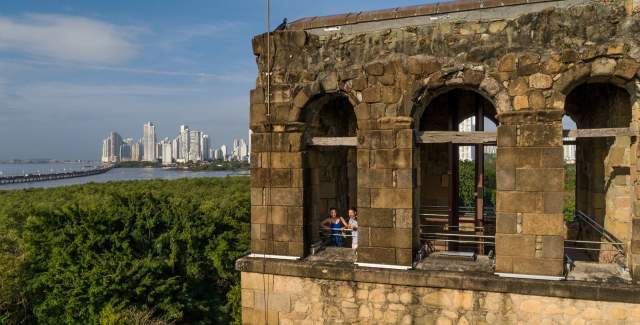
Panamá Viejo: A 15-minute taxi ride north of the neighbourhood of San Francisco, this archaeological site contains the remains of a European settlement, founded in 1519. Most buildings were destroyed in 1671 by the Welsh pirate Henry Morgan — the inspiration for Captain Morgan rum — forcing the inhabitants to relocate south to Casco Viejo, but roaming the ruins gives you a clear sense of the town’s original layout. Clamber up the 115 steps of the cathedral’s bell tower for views across the bay to modern Panama City’s skyscrapers.
Casco Viejo: Explore the cobblestone streets and unusual architecture of the city’s ‘old quarter’ on foot — Plaza de la Independencia’s art deco Casa Alianza is a highlight. Or book a guided walk for detailed insights on the area’s changing fortunes, plus illuminating glimpses of the working-class neighbourhoods of Santa Ana and El Chorrillo next door.
Museo de la Mola: This museum is devoted to molas, the textiles produced by Panama’s Indigenous Guna people. Molas — the name both for the blouse and its intricately designed panel — are handmade using embroidery and reverse applique. Their designs are inspired by spiritual themes and natural motifs.
Biomuseo: A 10-minute cab-ride south of Casco Viejo, this world-class museum explores the biodiversity of Panama: a country that — sitting between Central America’s Costa Rica and South America’s Colombia — has the flora and fauna of two continents. Interactive displays and a line-up of 97 life-size sculptures of extinct and extant creatures make it accessible, while the architecture is equally absorbing. The work of Frank Gehry — of Bilbao’s Guggenheim Museum fame — it’s a colourful riot of Cubist shapes.
Miraflores Visitor Center: Those interested in an up-close look at Panama’s namesake canal should head to this museum just outside the city. A viewing platform offers front-row seats on the manoeuvres of cargo ships — some of which are four football pitches long. Check the schedules before you arrive to be sure of timing your visit for either the morning or afternoon maritime rush-hour.
Parque Metropolitano: A tropical forest at the heart of a city is rare, so spend a morning hiking this 655-acre park, a 10-minute cab ride north of Casco Viejo. A handful of short trails loop through trees, home to three-toed sloths, titi monkeys and over 265 species of bird. The views of the skyscraper skyline from the Mirador Cerro Cedro are well worth the climb.
Recreovía: Every Sunday morning from 6am, the usually traffic-clogged Cinta Costera 3 highway closes to vehicles and transforms into a 4.3-mile route for Lycra-clad locals. Lace up your trainers to join the many pedestrians and joggers, or hire a bike to explore.
Mercado de Mariscos: Diners flock to this Casco Viejo fish market at weekends, try sharp, citrusy sea bass ceviche from one of the food stalls or traditional Panamanian cuisine at La Promesa. It’s worth visiting for the spectacle alone, as fishmongers shout themselves hoarse over concrete slabs piled high with glistening whole tuna and twitching lobsters.
Cerro Ancon: The city’s second-highest peak is contained by this hilltop park overlooking Casco Viejo, a popular spot for joggers and dog-walkers when it opens each morning at 7am. The trail to the summit offers the chance to spot keel-billed toucans, hummingbirds and ospreys, while at the top is a basketball-court-sized Panamanian flag.
Panama’s climate is marked by two distinct periods, although temperatures hover around 29C year-round. Rainy season, which lasts from May to November, can see humidity hit 100% and the arrival of frequent thunderstorms, although they rarely last longer than an hour. The dry season, December to April, brings lower humidity and sunny skies, though accommodation prices are higher during these months.