
Is Climate Change Propelling the Rise of Superbugs?
Written by Andrew Raven; https://www.unep.org/
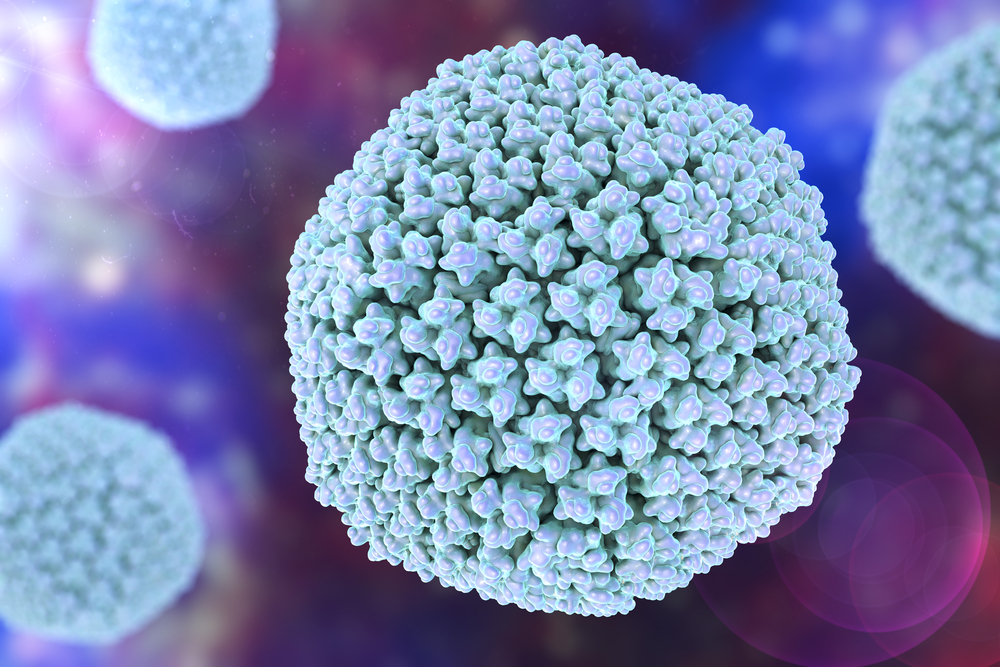
The salmonella bacteria has bedeviled humans for at least 8,000 years, causing everything from diarrhea to blood poisoning. In recent decades doctors have been able to treat the most severe cases with antibiotics. But climate change may be making that more difficult.
A recent study in the journal The Lancet: Planetary Health suggests rising global temperatures are helping salmonella develop resistance to some drugs. Balmier weather may also make it easier for the bacteria to share that microbial know-how with each other.
Experts fear these bacteria are part of a growing number of superbugs that are being fueled by climate change, adding to what has already been described as a global crisis of antimicrobial resistance.
“We’re already finding a growing number of common infections that are developing immunity to medications,” said Jacqueline Álvarez, head of the Chemicals and Health Branch at the United Nations Environment Programme (UNEP). “These infections have the potential to kill millions – and climate change may compound that problem.”
As world leaders prepare to gather in Türkiye for a major UN conference on climate change, here’s a closer look at the link between superbugs and the climate.
What is antimicrobial resistance?
Antimicrobial resistance happens when microorganisms – like bacteria, viruses and fungi – evolve and learn to fend off the treatments that once killed them or that slowed their growth. This resistance can make common infections hard or impossible to treat. A major global study found that in 2021 alone, nearly 5 million people died after being sickened by bacteria that did not respond to antibiotics.
Why is antimicrobial resistance dangerous?
Antimicrobial resistance is one of the top global public health threats. There are concerns that in the not-too-distant future many common infections will no longer be curable.
One prominent study in the journal Lancet found antimicrobial-resistant germs could kill 39 million people by 2050 (or three every minute) and shave nearly two years off global life expectancy.
A worst-case scenario is what experts call a “post-Fleming” future in which drug-resistant superbugs run rampant and simple scrapes prove deadly.
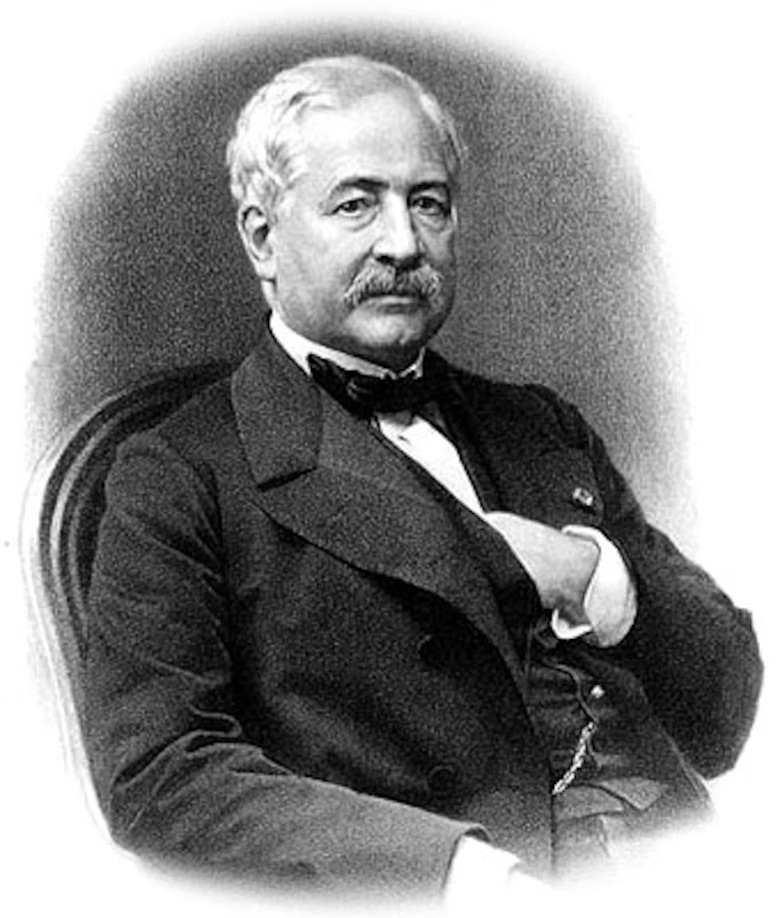
The phrase is a reference to Alexander Fleming, the Scottish physician who discovered the first true antibiotic, penicillin, in 1928. (Even in those early days, Fleming warned the improper use of antibiotics could lead to resistance.)
How does climate change affect the emergence and spread of antimicrobial resistance?
Climate change and antimicrobial resistance are two of the most complex threats facing the planet and more research is needed into the links between the two, says UNEP’s Alvarez. But some studies suggest climate change could contribute to the rise of superbugs in a few ways.
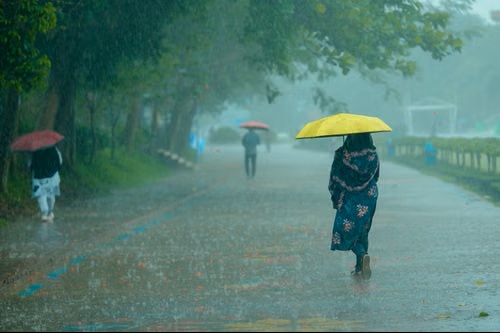
First, changing weather patterns could contribute to the emergence of new drug-resistant germs. For example, if climate change were to make a country rainier, you would probably see a surge in yeasts, molds and other humidity-loving microscopic fungi. If these microorganisms start infecting crops, farmers might need to use more fungicides, increasing the chances of resistance.
Second, climate change could contribute to the propagation of antimicrobial resistance. Once a microbe has acquired the ability to defend itself against a drug, it can sometimes pass that know-how onto surrounding microbes through a process known as horizontal gene transfer. It’s kind of like the microbial equivalent of sharing a great banana bread recipe with a friend. In some environments, warmer temperatures can make the spread of resistance more likely, researchers have found.
Third, climate change could lead to the spread of drug-resistant germs. For example, a group of superbugs may be happily living out their lives in the confines of a countryside cesspool when torrential rain, driven by climate change, triggers a flash flood. The torrent could sweep up the germs and deposit them in a residential area, where they cause a disease outbreak.
So, antimicrobial resistance doesn’t only happen because doctors overprescribe medicine?
That’s correct. The increased use – and misuse – of antimicrobials in humans, animals and crops does create favourable conditions for microbes to develop resistance. But so do other so-called microbial stressors, such as pollution. And the environment plays a huge role in the emergence, transmission and spread of antimicrobial resistance.
“That’s why environmental action is becoming a focus for scientists and officials hoping to stop the emergence and spread of superbugs,” says UNEP’s Alvarez.
Are there any real-world examples of climate change causing superbugs to expand their ranges?
Yes, there are some. The spread of drug-resistant salmonella is a prime example. Researchers estimate climate change is responsible for a 10 per cent rise in the number of antimicrobial resistant genes in salmonella. These genes allow the bacteria to beat back antibiotics.
There is also evidence to suggest that global warming is increasing the ranges of many pathogens, like the flesh-eating bacteria vibrio vulnificus, the mosquito-borne parasite plasmodium, which causes malaria, and candida auris, a drug-resistant yeast that has plagued hospitals around the world. As these germs migrate and multiply, researchers say it’s just a matter of time before they develop resistance to drugs.
What areas could see a surge in antimicrobial resistance because of climate change?
That’s still an open question. But places like Africa, Asia and Latin America are seeing both a rise in extreme weather and antimicrobial resistance. So, experts say they are especially vulnerable to climate-change-related outbreaks of drug-resistant germs. Wherever these outbreaks happen, the poor are likely to suffer the most.
What can countries do to counter antimicrobial resistance linked to climate change?
First and foremost, countries need to reduce emissions of planet-warming greenhouse gases, which are driving climate change. Nations also need to tackle the emergence and spread of antimicrobial resistance. The formula for that will vary by country, but some common solutions include:
- improving environmental monitoring and governance;
- generating anti-microbial-resistance-related science and using that to inform policy;
- raising awareness about the growing threat of antimicrobial resistance; and
- preventing antimicrobials from getting into the environment, especially in sectors like pharmaceuticals, manufacturing and agriculture.
Is there anything the average person can do to counter antimicrobial resistance?
The main responsibility lies with government and industry. But individuals can help, too. You can:
- only use antibiotics, antifungals and antivirals when necessary and following the indications of a healthcare provider;
- avoid sharing medicine and taking the medicine of others;
- wash your hands regularly with soap and clean water to prevent infections, reducing the overall need for antimicrobial treatments;
- support sustainable food production by choosing products raised without or with limited antimicrobials;
- return unused medications back to the drug store instead of throwing them away; and
- choose cleaning and personal-care products that do not rely on excessive synthetic biocides, avoiding when possible daily cleaners labeled as “antibacterial” or “disinfectant”. Standard detergents and regular soap physically remove dirt and germs without creating resistant superbugs.