
Pedasí’s Tourism Message 19 to 20 Days After the Panama Earthquake. ‘We are Ready to Receive You’.
The municipality of Pedasí, along with boatmen and tour operators, requested a six-month suspension of the entrance fee to Isla Iguana to revive tourism. Boatmen and tour operators wait for tourists at El Arenal beach with 70 empty boats.
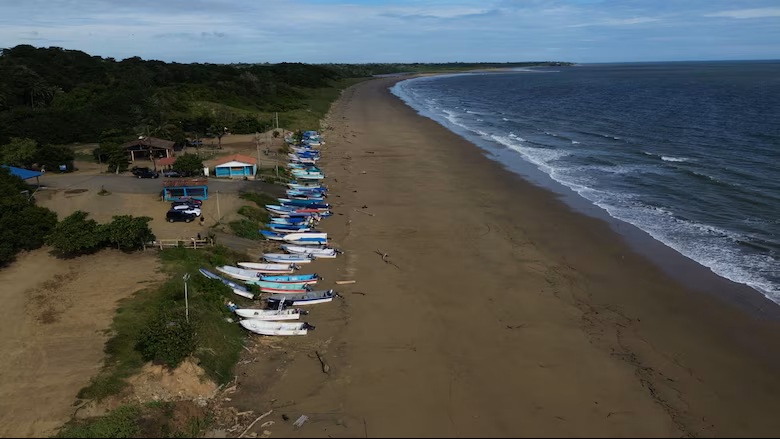
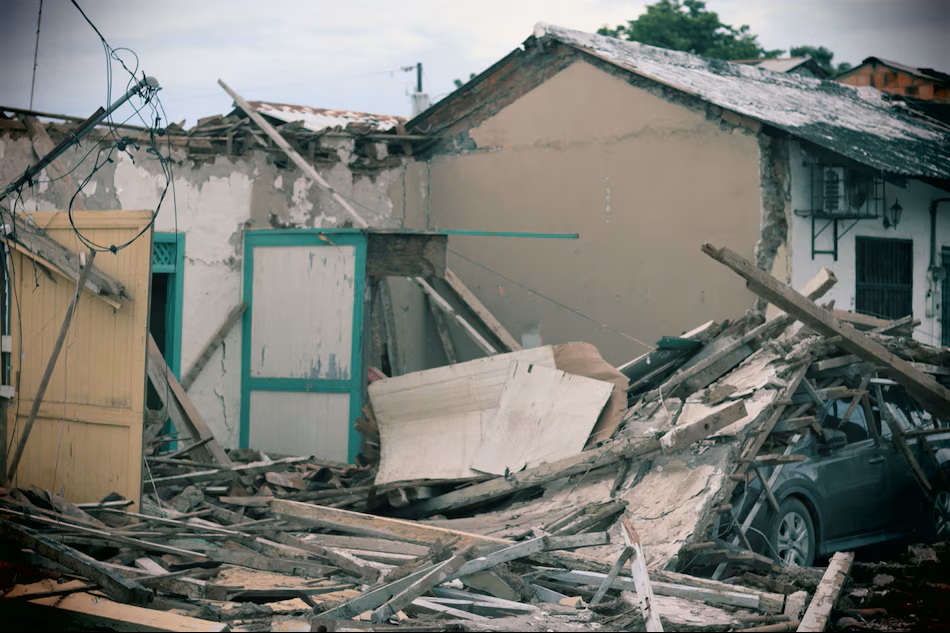
On El Arenal beach in Pedasí, Los Santos, the boats that take tourists to Isla Iguana wait for passengers. For days, the usual activity of fishermen, tour operators, and visitors has dwindled to almost nothing. The October 9 earthquake not only caused damage in various parts of Azuero; it also sowed fear among those who had planned to travel to the region and hit an economy that depends on visitors.
The Affected Chain.
The drop in visitors is being felt on the beach, where tour operators are waiting for passengers to return. Hotels, restaurants, fruit vendors, taxi drivers, and transport companies are all part of an economic chain that depends, to a large extent, on the arrival of visitors. The figures provided by Herrera help to illustrate the scale of the change. At El Arenal beach, there are between 60 and 70 boats dedicated to tourist transport.

Isla Iguana Near Pedasi.
Before the earthquake, on a slow day, all the boats could make between seven and ten trips. During weekends, the activity could increase to between 20 and 30 boats in operation. Now, he says, there are days with no departures and others when hardly any trips are made. Given this situation, the mayor of Pedasí requested that the Ministry of the Environment suspend the entrance fee to Isla Iguana for six months. Currently, the fee is four dollars for Ecuadorian citizens and ten dollars for foreigners.
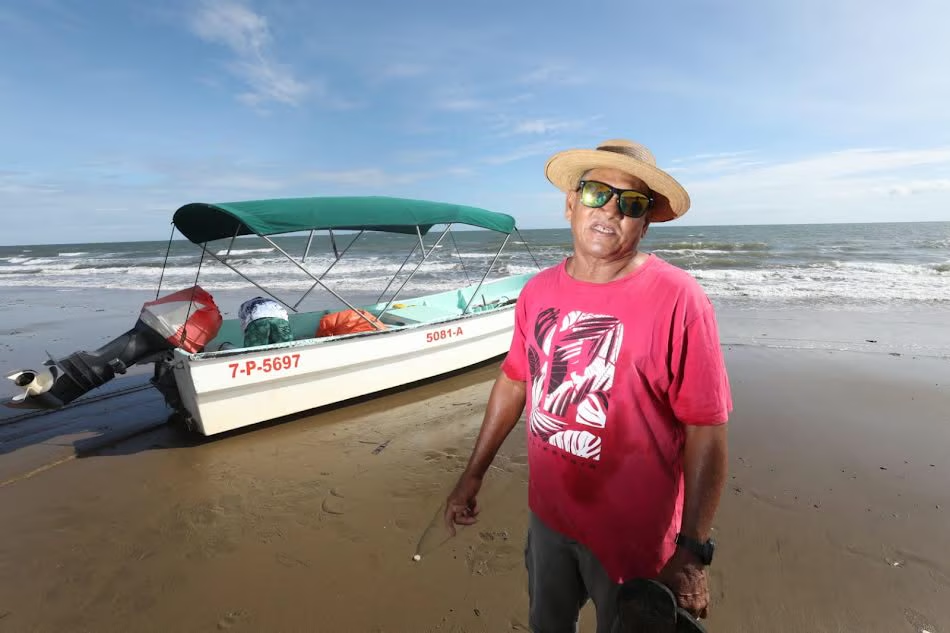
Franklin Herrera, a fisherman and boatman who also transports tourists to Isla Iguana, explains that the reduction in trips affects more than just those who operate the boats. Miguel Batista, Mayor of Pedasí, Described the Situation as a Near-Total Standstill in Tourism to Isla Iguana.
The proposal aims to incentivize tourism at a time when tour operators are trying to recover. Batista argues that temporarily suspending the fee would help attract visitors and revive the local economy.
The Destination of the Income.
The complaint also addresses the destination of the revenue generated by access to the island. According to Batista, Isla Iguana received more than 21,000 visitors in 2025, 40% of whom were foreigners. The mayor believes that the funds collected should be used to improve the wildlife refuge and the communities that depend on its tourist appeal. “We’re not opposed to the fee itself, we’re opposed to the fact that this fee hasn’t stayed here in Pedasí for years,” he points out.

Paddle Boating on the Clear Waters of Isla Iguana.
He adds that the municipality is promoting a bill to create a board of trustees to help manage the site. Isla Iguana retains its main natural attractions: crystal clear waters, white sand, coral reefs and a landscape that attracts national and foreign visitors. However, Batista warns that the area lacks sufficient infrastructure to accommodate tourists. He acknowledges that it is a wildlife refuge, so any improvements must consider environmental protection. In his view, conservation and tourism can progress together if investments are made that allow the site to be utilized without damaging it.
An Offer Beyond the Island.
The district’s tourism offerings are not limited to Isla Iguana. Batista points out that Pedasí boasts over 55 kilometers of beaches, fishing areas, calm waters, and spaces for surfing and other outdoor activities. He also states that the district was one of the least affected by the earthquake in terms of housing damage. The problem, he argues, is that the perception of destruction has spread beyond the affected areas and has discouraged travel. “The district is ready to receive tourists,” Batista says.
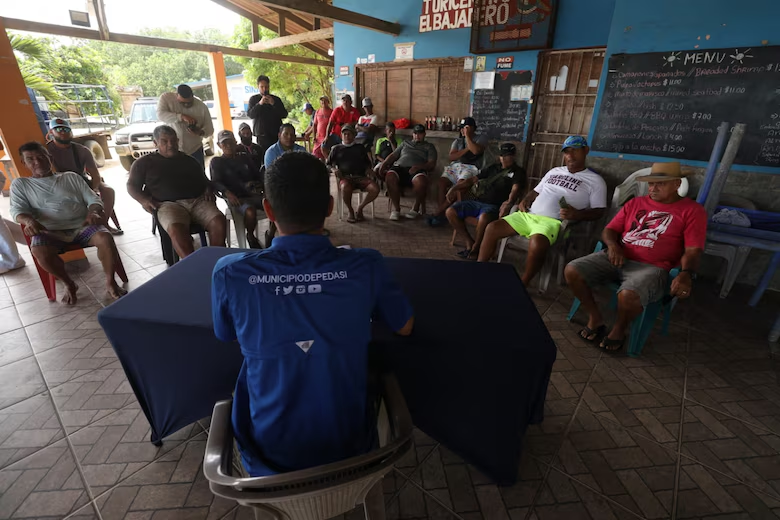
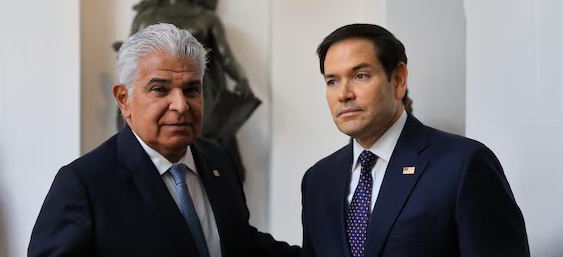
Fishermen and Boatmen Met with Mayor Miguel Batista on Tuesday, October 27.
Meanwhile, tour operators hope that this confidence will translate into bookings, passengers, and trips to the beaches. Herrera also called on domestic and international visitors to return. Although he acknowledged that fear persists, he insisted that families need to resume their activities. “If this comes to a standstill, everything comes to a standstill,” he warns. The recovery, he explains, depends not only on the boatmen, but also on hotels reopening to guests, restaurants having customers, and small businesses regaining their sales. The earthquake disrupted tourism in Pedasí, but it didn’t destroy its charm. Now, recovery depends, in part, on the return of visitors and the return to work for families who depend on tourism.
As a visitor many times to Iguana Island, I agree that although it is a small island, it is very special and well worth the trip. Telly at Newsroom Panama.