

Common Dental Problems and How Dentists Treat Them
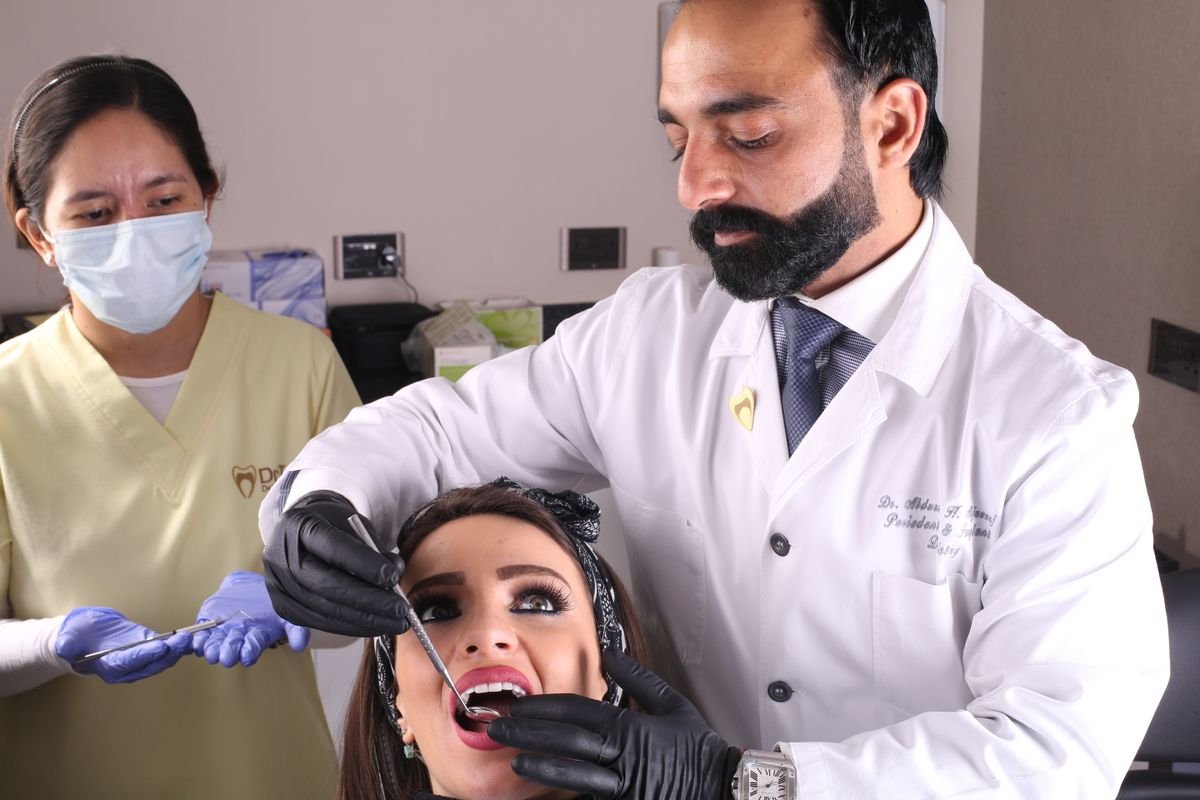
Maintaining good oral health is essential for overall well-being, yet many people put off visiting the dentist until a problem becomes painful or unavoidable. Understanding the most common dental issues — and how modern dentistry addresses them — can motivate you to take a more proactive approach to your smile. Whether you’re dealing with tooth sensitivity, gum disease, or a chipped tooth, a qualified dentist in Port Orange has the tools and expertise to restore your oral health and confidence.
Tooth Decay and Cavities
Tooth decay is one of the most prevalent dental problems worldwide, affecting children and adults alike. It occurs when bacteria in the mouth produce acids that erode the hard outer layer of the tooth, called enamel. Left untreated, decay progresses through the enamel into the deeper layers of the tooth, eventually reaching the pulp and causing significant pain or infection.
How Dentists Treat Cavities
Treatment depends on the severity of the decay:
- Dental fillings: For early to moderate cavities, the dentist removes the decayed portion and fills the space with composite resin, amalgam, or porcelain material.
- Dental crowns: When decay is extensive and compromises the tooth’s structure, a crown is placed over the remaining tooth to protect and restore function.
- Root canal therapy: If decay has reached the pulp, a root canal removes the infected tissue, cleans the canal, and seals it to prevent further infection.
- Tooth extraction: In severe cases where the tooth cannot be saved, extraction followed by a replacement option such as an implant or bridge may be necessary.
Gum Disease (Periodontal Disease)
Gum disease is an infection of the tissues surrounding and supporting the teeth. It begins as gingivitis — characterized by red, swollen, or bleeding gums — and can advance to periodontitis, a more serious condition that damages the bone and soft tissue holding teeth in place. Smoking, poor oral hygiene, and certain medical conditions can increase the risk of developing periodontal disease.
How Dentists Treat Gum Disease
Early-stage gum disease is highly treatable with professional intervention:
- Professional cleaning (prophylaxis): Routine cleanings remove plaque and tartar buildup that regular brushing cannot eliminate.
- Scaling and root planing: This deep-cleaning procedure removes tartar from below the gumline and smooths the root surfaces to discourage bacterial growth.
- Antibiotic therapy: Topical or oral antibiotics may be prescribed to eliminate persistent bacterial infection.
- Surgical treatment: Advanced periodontitis may require flap surgery or bone grafting to restore damaged tissue and bone.
Tooth Sensitivity
Tooth sensitivity is a sharp, sudden pain triggered by hot, cold, sweet, or acidic foods and beverages. It occurs when the protective enamel wears down or gums recede, exposing the underlying dentin and the tiny tubules that lead to nerve endings. Many patients in the Port Orange area report tooth sensitivity as one of their primary concerns when visiting a dentist in Port Orange.
How Dentists Treat Tooth Sensitivity
Treatment options range from simple at-home solutions to in-office procedures:
- Desensitizing toothpaste containing compounds that block nerve signals
- Fluoride gel or varnish applied in-office to strengthen enamel
- Dental bonding to cover exposed root surfaces
- A gum graft if recession has caused significant exposure
- A custom mouthguard if nighttime grinding (bruxism) is contributing to enamel wear
Cracked or Chipped Teeth
Cracked or chipped teeth can result from biting down on hard foods, accidents, or even temperature fluctuations. While a minor chip may be purely cosmetic, deeper cracks can expose the inner tooth structure and lead to pain, infection, and tooth loss if not addressed promptly.
How Dentists Treat Cracked or Chipped Teeth
Restorative and cosmetic options include:
- Dental bonding: A tooth-colored resin is applied and shaped to restore the tooth’s appearance and function — ideal for minor chips.
- Porcelain veneers: Thin shells bonded to the front of the tooth cover chips and cracks for a natural-looking result.
- Dental crowns: For more significant damage, a crown encases the entire visible tooth, providing strength and protection.
- Root canal and crown: If the crack extends into the pulp, a root canal may be required before placing a crown.
Tooth Loss
Tooth loss is a serious consequence of untreated decay, gum disease, or injury. Beyond aesthetics, missing teeth can affect chewing ability, speech, and the alignment of surrounding teeth. Bone loss in the jaw is another long-term concern when a missing tooth is not replaced.
Tooth Replacement Options
Modern dentistry offers several effective solutions for tooth loss:
- Dental implants: A titanium post is surgically placed in the jawbone, topped with a natural-looking crown — considered the gold standard for tooth replacement.
- Dental bridges: A false tooth (pontic) is anchored to adjacent teeth with crowns on either side, bridging the gap left by a missing tooth.
- Partial or full dentures: Removable appliances replace multiple or all missing teeth and can be customized for a comfortable, natural fit.
Teeth Grinding (Bruxism)
Many people grind or clench their teeth, often during sleep, without realizing it. Bruxism can cause headaches, jaw pain, worn enamel, cracked teeth, and even temporomandibular joint (TMJ) disorders. Stress and an abnormal bite are common contributing factors.
How Dentists Treat Bruxism
A dentist in Port Orange can evaluate the extent of damage and recommend appropriate treatment, which may include:
- A custom-fitted night guard to protect teeth during sleep
- Stress management strategies or referrals to appropriate specialists
- Restorative work to repair worn or damaged teeth
- Orthodontic treatment if a misaligned bite is contributing to the problem
Bad Breath (Halitosis)
Chronic bad breath is often more than just a social inconvenience — it can indicate underlying dental or medical issues. Common causes include poor oral hygiene, gum disease, dry mouth, and certain foods or medications. A thorough dental examination can identify the root cause and guide appropriate treatment.
The Importance of Preventive Dental Care
The most effective way to avoid complex and costly dental treatments is through consistent preventive care. Regular checkups and professional cleanings allow your dentist to detect problems early, when they are easiest and least expensive to treat. Patients who are committed to dental care in Port Orange benefit from access to experienced professionals who use the latest diagnostic technology and treatment techniques to keep smiles healthy for life.
In addition to professional visits, a strong at-home routine — including brushing twice daily with fluoride toothpaste, flossing once a day, and limiting sugary foods and drinks — lays the foundation for excellent oral health.
Conclusion
From cavities and gum disease to cracked teeth and tooth loss, dental problems are incredibly common — but they are also highly treatable when caught early. Partnering with a trusted dentist in Port Orange gives you the advantage of personalized care, modern treatment options, and a team dedicated to your long-term oral health. Don’t wait until pain forces the issue; schedule your next appointment and take a proactive step toward a healthier, brighter smile today.