
The Calculations of the Complex Reconstruction in the Azuero in Panama. How Long Until they Can Go Home?
Families in Tonosí, Macaracas, and other districts of Los Santos province dream of owning a new home. The Ministry of Housing and Territorial Planning (Miviot) reported that 1,300 homes were in the process of being assigned to contractors, of which 60 had already begun construction. At least one has already been delivered in Soná.
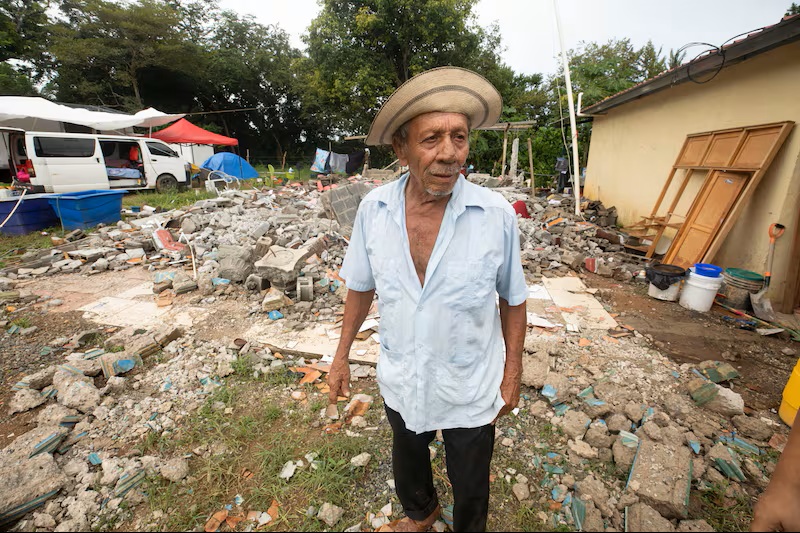
In Panama, a house is usually measured by its price, its square footage, or the time it takes to build. In the communities hit by the earthquake, the measure is different: how long until they can sleep under their own roof again. The wait in Azuero involves collapsed walls, debris to be cleared, and families awaiting answers. Amid this reality is the Ministry of Housing and Territorial Planning (Miviot), which reported 1,300 homes in the process of being assigned to contractors, of which only 60 had begun construction as of October 23. In an interview with the media, this Saturday, October 24, the Minister of Housing and Territorial Planning, Jaime Jované, reported that as of the previous day, construction had begun on 60 houses, while another 1,300 had been allocated for their execution in different communities of the country.
The First House was Built in Soná, Veraguas Province.
The figures correspond to the process of assisting families affected by the earthquake and are still subject to change. Jované explained that the allocations consist of distributing the work among contractors by district and community, according to the identified needs.
The Figures Behind the Earthquake.
The number of homes under construction is lower because, before the structures can be erected, the debris must be removed. The ministry counted approximately 70 homes in that phase. In total, about 130 houses were under construction or in the preliminary stage of site clearing and preparation. “We have already started the evaluation process, we have started construction, we have started the deliveries,” said the minister, who was in the province of Veraguas this Saturday, where he was touring Soná, Torio, Quebro and Mariato. As he explained, the intention is to progressively increase the pace of implementation until all families who lost their homes or were left in vulnerable conditions after the earthquake have been assisted.
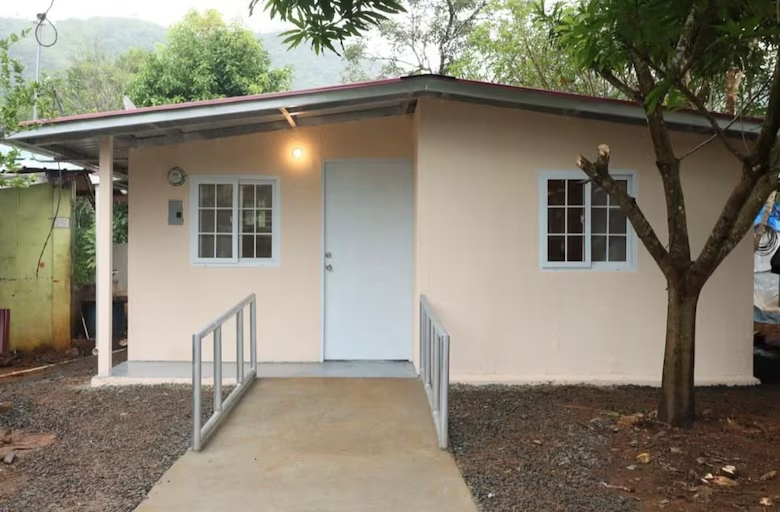
This House has an Estimated Cost Between $25,000 and $28,000.
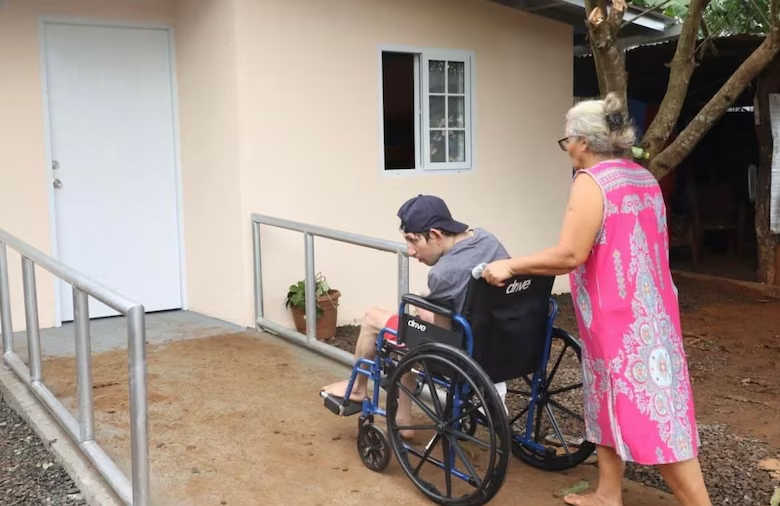
One of the first homes delivered offers a glimpse into the dimensions and features of the solutions provided by the government. The house includes a kitchen, dining room, a small front terrace, and a laundry area in the back. In the case of homes adapted for people with disabilities, the design includes a ramp and sufficient space to facilitate wheelchair access. These units are 46 square meters, compared to 43 square meters for conventional homes.
1
1,300 homes assigned to contractors for construction.
2
60 houses had begun construction by October 23.
3
$25,000 to $28,000 is the estimated cost of each home built by Miviot.
4
According to Minister Jaime Jované, it took 14 days to build one of the homes delivered in Soná.
The Cost of Rebuilding.
The estimated cost of each house ranges from $25,000 to $28,000, according to Jované, although the amount may vary depending on taxes and the construction characteristics. An additional $2,000 is needed for cleaning and debris removal, the minister explained. Construction time also depends on the system used and access conditions to each community. Jované indicated that one of the delivered houses was built in 14 calendar days, but warned that a house built using traditional methods can take almost three times as long. The availability of materials and the difficulties in reaching some areas also influence the timelines.
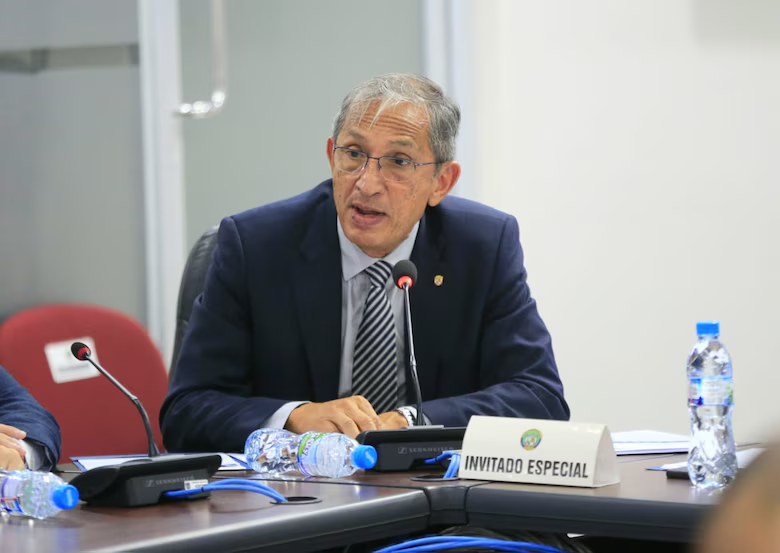
Minister of Housing, Jaime Jované.
While construction of new homes continues, the ministry is still addressing the needs of homes that suffered partial damage. As of October 22, the National Civil Protection System had assessed 12,365 homes and registered 40,880 people. The previous report indicated 2,318 homes with total damage, 5,546 with partial damage, and another 1,260 with minor damage. The minister assured that the government intends to complete the works as quickly as possible, given that families cannot remain without housing for so long. “Families cannot wait that long,” he stated. Jované stated that the priority is on households with people with disabilities, senior citizens, and families with children in vulnerable situations. “It’s a great challenge, it’s definitely complex,” he said.
Other Options.
While families in Azuero wait to have their homes back on the ground, reconstruction proposals are taking different forms. Architect Ana Victoria Ottenwalder, of Sensata Studio, proposes permanent, two-bedroom rural houses, built with local materials and with an estimated cost of $22,000 per unit.
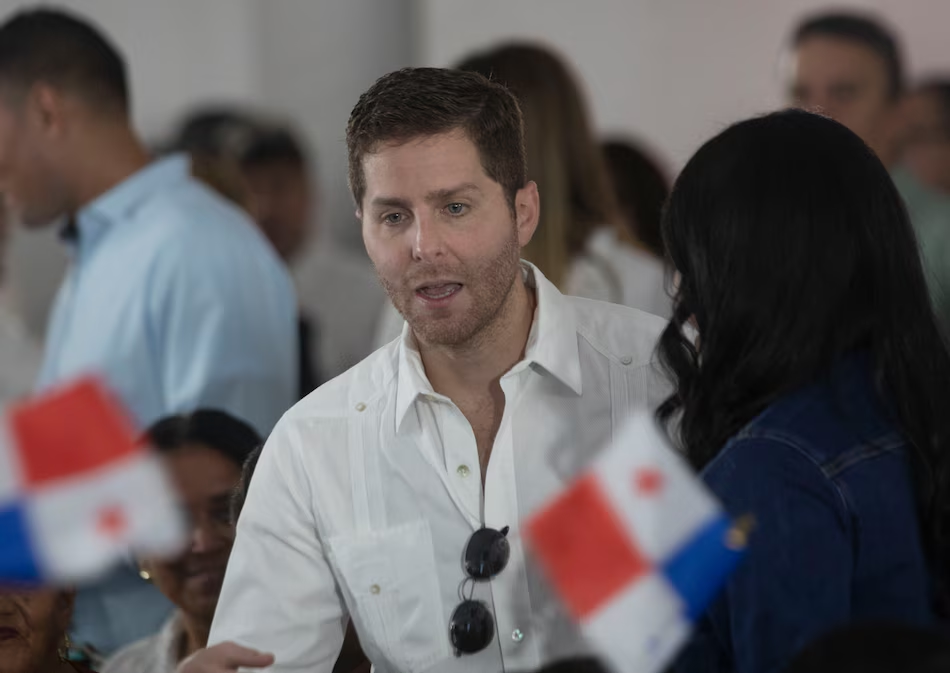
The mayor of the capital pictured above, Mayer Mizrachi, proposes another alternative: containers adapted as temporary housing, with bathroom, water, electricity and air conditioning, at an approximate price of $8,000 per unit.
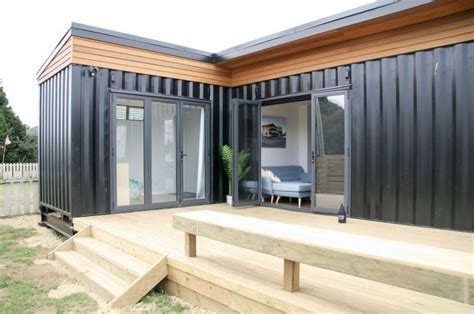
In addition to these initiatives, there’s the 20-30 Active Club, which raises funds through a telethon to build 43-square-meter homes, valued at $19,000 each. The program prioritizes families with a member who has a disability.
The Wait Has Names.
While the Ministry of Housing and Territorial Planning (Miviot) reports 1,300 houses assigned and 60 under construction, in Pozo Azul, north of Penonomé, Lidia Gil and her children are still waiting for a solution. They lost their home and now face another uncertainty: where to rebuild it. “Where am I going to find land if there isn’t any?” she says, summarizing the anguish of those who need to start over.
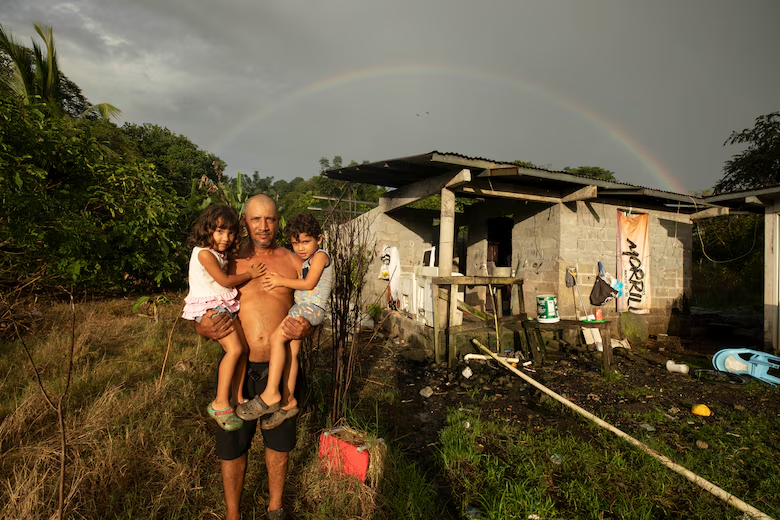
Enrique Vergara with his Children in Rusia de Quebro. Their Home was Destroyed by the Earthquake.
In Rusia de Quebro, Enrique Ariel Vergara lost the home he shared with his wife and six children. While the government distributes funds to build new homes, the family hopes that the registration and assessment processes will lead to a concrete solution. In La Pitaloza, Herrera, Marco Antonio García was at home when a wall collapsed during the earthquake. He sought refuge next to a guava tree and later had to face the loss of his home. Stories like his remind us that behind every house assigned to them is a family hoping to recover the place where their lives unfolded.