Deputies Approve in First Debate Bill to Increase Discounts for Panama Retirees.

While the National Assembly passed Bill 226 in late August 2026 to increase several perks, the President rejected it, calling it a “bad law”. The President felt it placed an unsustainable financial burden on the private sector without addressing the real necessities of seniors.

Unlike the vetoed bill that heavily targeted tourism, the new round of discussions focuses on shifting benefits toward daily cost-of-living necessities. The government and retiree representatives are actively re-negotiating a new consensus law Project 746, which advanced to a second debate on October 22, 2026.

The goal is to finalize a balanced bill before the legislative period closes on October 31, 2026. It must now pass its second and third readings in the legislative plenary and receive the executive branch’s approval to become law.
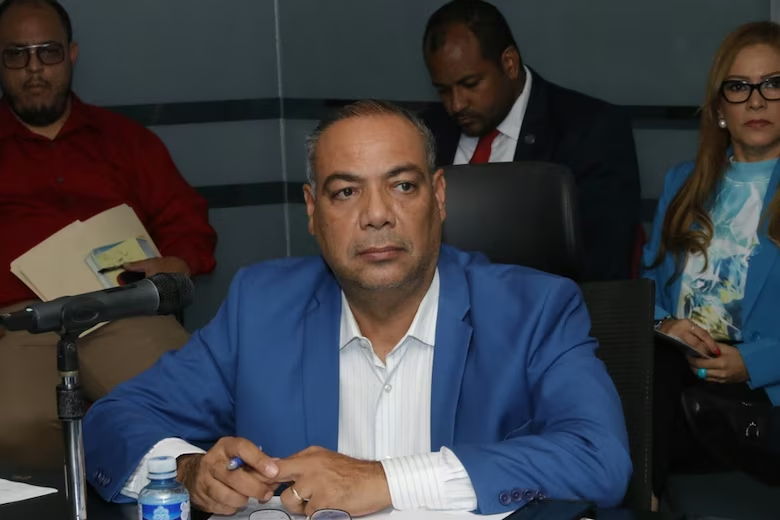
The proposing deputy, Javier Sucre pictured above, highlighted that the proposal seeks to alleviate the expenses of senior citizens in food, medicines and basic services. The following are the new proposals for retirees, pensioners and senior citizens. Women of age 55+ and men of age 60+. Expats to Panama are included.

Medications 20% (current rate is 10% to 20% ) although some pharmacies already offer 25% or more off. Restaurants (except fondas) 25% (current rate for sit down is 20% and fast food at 15%). General medicine, medical, surgical specialists 25% (current rate is 20% off Dr’s consultations, 15% private clinics/hospital services).

Optometry and ophthalmology services 15%. Laboratory tests 20%. Radiological services 30%. Cancer treatments, procedures, therapies, cancer drugs and related supplies 30% (new). Prostheses, wheelchairs, crutches, canes, walkers and other assistive equipment 20% on the goods and equipment described in the project.

Residential electricity, for consumption not exceeding 600 kilowatt hours: 30%. Residential and mobile telephone services 30%. Potable water 30%. Cable television and internet 30% (new). Residential sanitation fee, if the contract is in the name of the beneficiary and corresponds to their main residence 20%.

Fixed charge for residential telephone service, under the conditions established in the project 30%. Coffins, urns and funeral services when the deceased is a retiree, pensioner or senior citizen 25%. Adult diapers: Exemption from import and transfer taxes on goods and services (new).

Notary fees for procedures related to homes that meet the requirements of the preferential interest scheme: 20% of the fixed charge. Registration fees for procedures related to homes that meet the requirements of the preferential interest rate scheme: 20% of the fixed charge. Rental, repair and assistance for mobility and personal support equipment, such as wheelchairs, walkers and hospital beds 20%.

Basic adaptations in the main dwelling to improve mobility and safety, such as ramps and grab bars 15%. Ostomy bags, colostomy bags and urinary catheters, with a medical prescription: Exemption from import and transfer taxes of goods and services.

According to a new article of the law, the discounts would not apply to consultations, examinations, laboratories, medicines and medical supplies provided in public facilities of the Ministry of Health, nor to social assistance services and goods managed by the committees regulated by Cabinet Decree 401 of 1970.

The project also includes benefits for the properties of associations of retirees and pensioners in services such as electricity, water, internet, cable television, post office box, property tax and property tax, in accordance with the conditions established by law.

Until a new compromise bill is fully signed and published in the Official Gazette, the baseline discounts under Law 6 of 1987 remain exactly as they have been. These apply to all legal residents meeting the age requirement (women 55+, men 60+) and anyone holding a Jubilado or Pensionado visa status.

The proposal establishes that discounts granted by businesses can be recognized as a tax credit for income tax, with 100% recognition and the possibility of transferring these credits starting in January 2027 as an incentive. In addition, it contemplates gradual and proportional sanctions of between $500 and $10,000 for those who fail to comply.