
How Panama’s Transportation Services Are Adapting to Modern Travel Demands

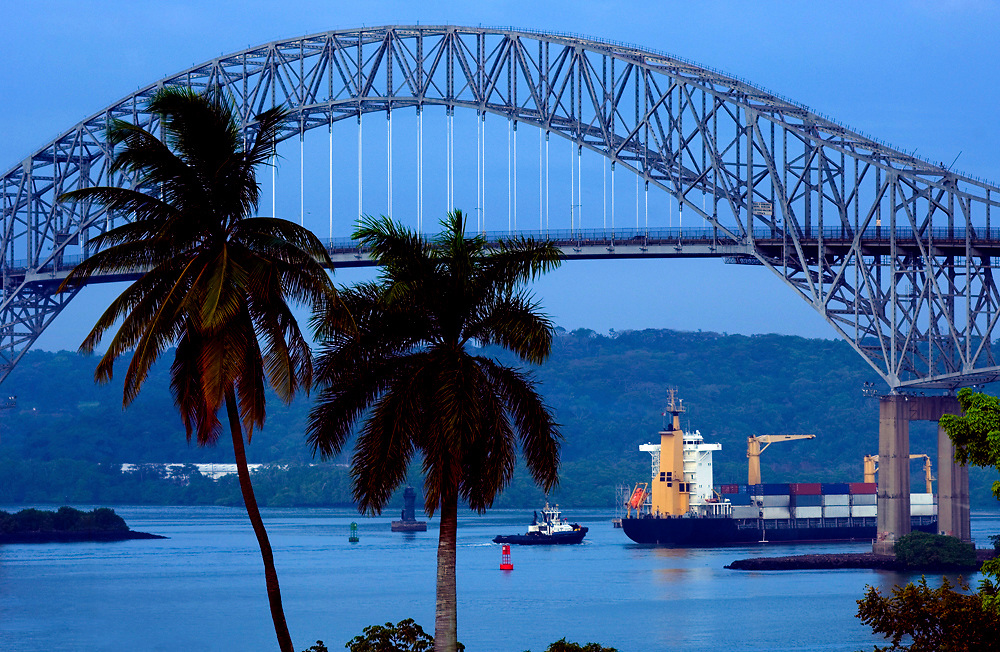
Panama occupies a strategic position in international transportation, connecting Central and South America while serving as an important destination for business travelers, tourists, and commercial operators. Its transportation network includes urban buses, taxis, airport transfers, maritime services, and the Panama Metro, all of which contribute to the movement of people across the country.
As travel expectations evolve, transportation providers face growing pressure to deliver reliable, comfortable, and convenient services. Visitors increasingly value efficient booking systems, well-maintained vehicles, transparent pricing, and dependable connections between airports, hotels, and popular destinations.
Meeting these expectations requires more than expanding transportation routes. Operators must also improve vehicle maintenance, customer communication, and everyday service standards. By combining practical operational improvements with digital technology, Panama’s transportation industry can better serve residents and international visitors while supporting the country’s wider economic development.
Professional Vehicle Maintenance Supports Reliable Transportation
Maintaining a dependable transportation network requires regular attention to vehicle condition, cleanliness, and operational facilities. Buses, airport shuttles, taxis, and commercial vehicles frequently operate under demanding schedules, making preventive maintenance particularly important.
Panama’s tropical climate introduces additional considerations, including heavy rainfall, humidity, and the buildup of dirt on vehicles traveling through busy urban environments.
Transportation operators can improve maintenance efficiency by establishing designated cleaning areas and selecting equipment suited to their vehicle fleets. Commercial equipment suppliers such as https://hotsysouthtexas.com/ offer professional pressure-washing solutions for demanding cleaning applications, including suitable vehicle exteriors, maintenance facilities, and service areas.
For operators managing multiple vehicles, organized washing and inspection schedules can help maintain a professional appearance while supporting daily fleet operations.
Regular maintenance also allows businesses to identify mechanical concerns before they interrupt scheduled services. These procedures contribute to the reliable transportation experience that passengers expect.
Passenger Comfort Is Becoming a Competitive Advantage
Travelers increasingly evaluate transportation providers according to the overall passenger experience rather than price alone. Comfortable seating, effective air conditioning, clean interiors, and pleasant surroundings can influence customer satisfaction.
These details are particularly important in Panama, where warm temperatures and humid weather can make vehicle comfort a significant consideration.
Maintaining a fresh interior is one practical improvement for taxi companies, private drivers, and airport transfer operators. Choosing a long lasting air freshener for car can support a welcoming environment, particularly in vehicles serving multiple passengers throughout the day. Odor-control products designed for automotive interiors offer a convenient addition to regular cleaning and vehicle care routines.
Drivers can also improve the experience by keeping luggage areas organized, maintaining comfortable cabin temperatures, and providing clear information about routes.
Small investments in passenger comfort can strengthen customer impressions and encourage repeat bookings, particularly among tourists who depend on transportation services during their visits.
Digital Booking Systems Are Making Travel More Convenient
Digital technology has changed how travelers arrange transportation in Panama. Visitors arriving at Tocumen International Airport increasingly expect convenient access to information about transfers, estimated travel times, and available transportation options.
Online reservation platforms allow passengers to organize journeys before reaching their destination. This can be particularly valuable for international visitors unfamiliar with local transportation networks.
Digital payment options also provide additional flexibility, allowing customers to complete transactions without depending exclusively on cash.
For transportation companies, booking software can simplify scheduling and reduce administrative work. Automated confirmations, customer notifications, and centralized reservations help operators coordinate services more efficiently.
Businesses that provide straightforward digital experiences can improve accessibility while responding to the expectations of modern travelers.
Urban Mobility Requires Better Connections Between Services

Panama City has invested in public transportation infrastructure, with the Panama Metro playing an important role in urban mobility.
However, successful transportation networks depend on how effectively different services connect. Metro stations, bus routes, taxis, and private transportation providers all contribute to the complete passenger journey.
Travelers often need practical connections between residential neighborhoods, commercial districts, airports, and major visitor attractions.
Clear route information, accessible stations, and dependable transfer arrangements can make these journeys easier.
Transportation planners must also consider the needs of commuters who travel during peak periods and visitors navigating unfamiliar areas.
Improving coordination between available services helps create a more convenient transportation experience without requiring every passenger to depend on a private vehicle.
Tourism Growth Creates Opportunities for Specialized Transport
Panama attracts visitors interested in business travel, cultural attractions, beaches, and natural landscapes. These different travel purposes create demand for transportation services beyond conventional city commuting.
Airport transfers, guided excursions, private shuttles, and group transportation allow operators to serve customers with specific requirements.
Visitors traveling to destinations such as Boquete, Bocas del Toro, or the Pacific coast may need coordinated arrangements involving different transportation providers.
Tourism-focused operators can distinguish themselves through clear communication, dependable schedules, and helpful customer service.
Multilingual booking information can also improve accessibility for international travelers.
Companies that understand the expectations of different visitor groups are better positioned to develop services that complement Panama’s tourism industry.
Fleet Technology Is Improving Operational Efficiency
Fleet management technology provides transportation operators with additional opportunities to organize vehicles and monitor performance.
GPS tracking systems can improve vehicle visibility, allowing dispatchers to coordinate drivers and respond to scheduling changes.
Digital maintenance records help managers track servicing requirements, inspections, and vehicle availability.
Fuel consumption data may also reveal opportunities to reduce unnecessary operating expenses, particularly for companies managing larger fleets.
These tools can support better decisions about vehicle allocation and replacement schedules.
Smaller transportation businesses may benefit from introducing technology gradually, focusing first on systems that address their most frequent operational challenges.
The objective is to improve reliability while keeping technology investments appropriate to the size and needs of the business.
Modernization Will Shape Panama’s Transportation Future
Panama’s transportation services must continue adapting as passenger expectations, tourism activity, and urban mobility requirements evolve.
Improving infrastructure remains important, but everyday service quality also deserves attention. Clean vehicles, comfortable interiors, dependable maintenance, and convenient booking arrangements can make a noticeable difference to passengers.
Transportation operators that invest in staff training and responsive customer communication can further strengthen these improvements.
Digital fleet management and better connections between different services offer additional opportunities to improve efficiency.
Ultimately, modern transportation depends on balancing operational reliability with customer comfort. By combining appropriate technology, professional vehicle care, and thoughtful service planning, Panama’s transportation providers can create more convenient travel experiences.
These improvements can support local businesses, strengthen tourism services, and help residents and visitors move more confidently throughout the country.