Water Issues in the Azuero Peninsula of Panama Involving the Earthquake.

For more than a year, the Azuero Peninsula has been experiencing a severe, multi-layered water crisis affecting up to 200,000 residents across the provinces of Herrera and Los Santos. The situation has forced thousands of families to live without tap-accessible drinking water, relying instead on expensive bottled water and government cistern trucks. Adding to this crisis was the damage from the earthquake Oct 9th.

The crisis was originally triggered in May of 2025, when operations at multiple water treatment plants were suspended due to severe contamination of the La Villa and Estibaná rivers—the primary water sources for the region. Major sources of contamination include organic waste and unmanaged runoff from commercial pig farms, untreated domestic sewage, and toxic runoff (leachate) from open-air garbage dumps. While treatment plants eventually resumed operations, a strict ban on drinking tap water has remained in place for over 15 months due to pathogenic germs and biofilm layers inside the aging pipeline infrastructure, making it highly unsafe.

Compounding the pollution, Panama is navigating an aggressive, El Niño-fueled drought that has caused critical water shortages across the country. The Panamanian government has turned to international allies for technical aid to restore water safety. October 5th to 9th, 2026, a technical delegation from Mekorot the national water company of Israel and the country’s primary agency for water management arrived to Panama, as well as experts from the United States to evaluate water resources, infrastructure, and the water crisis in the Península de Azuero including field visits and technical meetings in Chitré and Las Tablas.
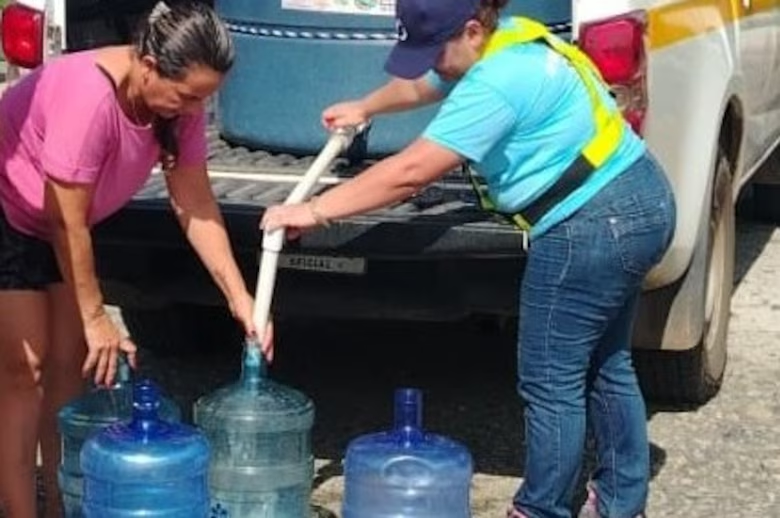
Panama’s current primary response on the polluted water sources is drilling temporary wells and mobilizing fleets of water trucks. IDAAN had publicly targeted December 2026 to successfully restore clean, direct drinking water to local taps, prior to the strong earthquake on October 9, 2026. This further damaged local aqueducts, creating a double-emergency for local recovery teams. The Ministry of Health (Minsa) reported several water intakes remain unavailable due to landslides and damage to the terrain. The regional head of the Drinking Water Department, Houdinis Rodríguez, assured that teams are working to restore the water supply despite the difficulty reaching some of the inaccessible water intakes.