

What Texas Homeowners Should Know Before Hiring a Roofer After a Hailstorm
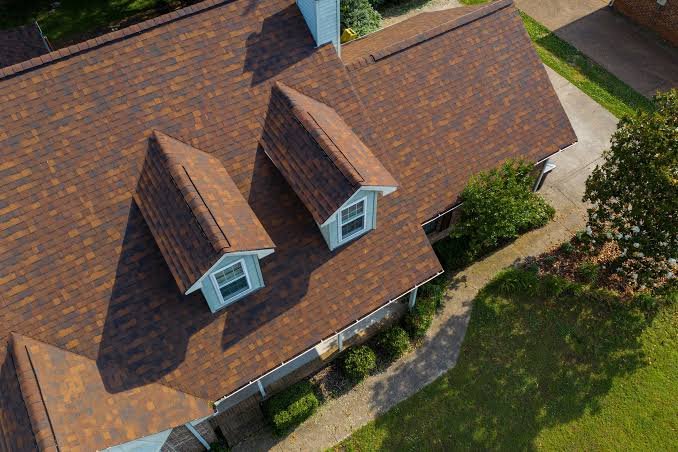
The hail stops. The street goes quiet. Then, sometimes within a day or two, the knocking starts, and a stranger with a clipboard is standing on the porch offering a free inspection, a fast insurance claim and a brand new roof at no cost to you. In West Texas, where spring and early summer storms can roll across Amarillo and Lubbock with very little warning, this scene repeats itself every year, and homeowners who want honest help can start by comparing a few local options, such as a company that handles Lubbock roof replacement year round, against whoever happens to knock first. Most door knockers are not criminals. Some are. Knowing the difference protects your money, your insurance claim and the house itself.
Why storms bring out the scammers
Hail damage creates urgency. A dented roof might leak with the next rain, the insurance company wants a claim filed, and the family wants it all fixed before anything else goes wrong. That pressure is exactly what dishonest contractors count on.
They are often called storm chasers. The term describes crews that follow severe weather from state to state, sign as many contracts as they can in a few weeks and then move on to the next disaster zone. Some do decent work. The trouble begins when the job goes wrong, because by the time a leak shows up in the fall, the crew, the phone number and sometimes the company name are gone.
Consumer protection agencies in Texas have warned about this pattern for years.
Red flags at the front door
Be careful with anyone who shows up uninvited right after a storm and pushes for a signature that same day. Real roofers are busy after hail. They rarely need to pressure you.
Other warning signs are worth a second look:
• A request for a large cash deposit before any materials arrive.
• An offer to “cover” or “waive” your insurance deductible.
• Out of state license plates with no local office address.
• A contract with blank spaces, vague pricing or no written scope of work.
• Claims of damage that you cannot see in photos taken from your own roof.
That deductible offer deserves its own warning. In Texas, a contractor who promises to pay, waive or rebate a homeowner’s insurance deductible may be breaking state law, and a homeowner who goes along with it can end up in a messy dispute with the insurer. If a deal sounds like free money, it probably is not.
How to check out a roofer
Start local. Ask how long the company has worked in your city, where its office is, and whether you can drive by it. A business that plans to be around next year has a reason to stand behind its work.
Ask for proof of insurance, including general liability and workers’ compensation, and call the insurer to confirm the policy is active. Texas does not issue a statewide roofing license, so you cannot simply look up a license number the way you might for an electrician or a plumber, which makes references, reviews and a physical address even more important when you are sorting through bids.
Get more than one estimate. Compare them line by line.
A good written estimate names the materials, explains how old roofing will be removed and disposed of, lists any decking or flashing work and gives a realistic timeline. It should also describe the warranty in plain words: what the manufacturer covers, what the contractor covers and for how long. If one bid is far lower than the others, ask why. Sometimes the answer is fair. Often it means something has been left out.
Working with your insurance company
Call your insurer yourself. Do not hand that job entirely to a contractor you met an hour ago.
Many policies have deadlines for reporting storm damage, so check yours soon after the storm and write down the date, the size of the hail if you saw it and any damage you notice on gutters, vents, cars or fences. Take photos. Take more than you think you need. When the adjuster comes out, it is reasonable to have your chosen roofer there too, since a second set of trained eyes can help make sure nothing obvious is missed, but you remain the policyholder and the final decisions belong to you.
Be wary of any paper called an “assignment of benefits” or anything that hands your claim rights to a contractor. Read every page. If you do not understand it, do not sign it until someone you trust has explained it.
Paying for the job
Payment terms tell you a lot. A reasonable contractor may ask for a deposit, but it should be modest and tied to something concrete, such as the delivery of materials to your home.
Never pay the full amount up front.
Pay by check or card rather than cash, keep every receipt and ask for a lien release when the job is done. That last document matters more than most people realize, because if a contractor fails to pay its suppliers or subcontractors, those businesses may be able to place a lien on your property, even though you paid the contractor in full.
After the roof goes on
Walk the property with the crew lead. Look for nails in the driveway, damaged plants and loose gutters. Ask for the warranty paperwork and file it with your homeowner’s policy.
Then keep an eye on the ceilings for a few months, especially after the next heavy rain.
Hail season in Texas is not going away, and neither are the people who chase it. The best defense is slow, boring and effective: take your time, check every claim, keep everything in writing and hire someone who will still answer the phone next spring.