
Malaria in the News
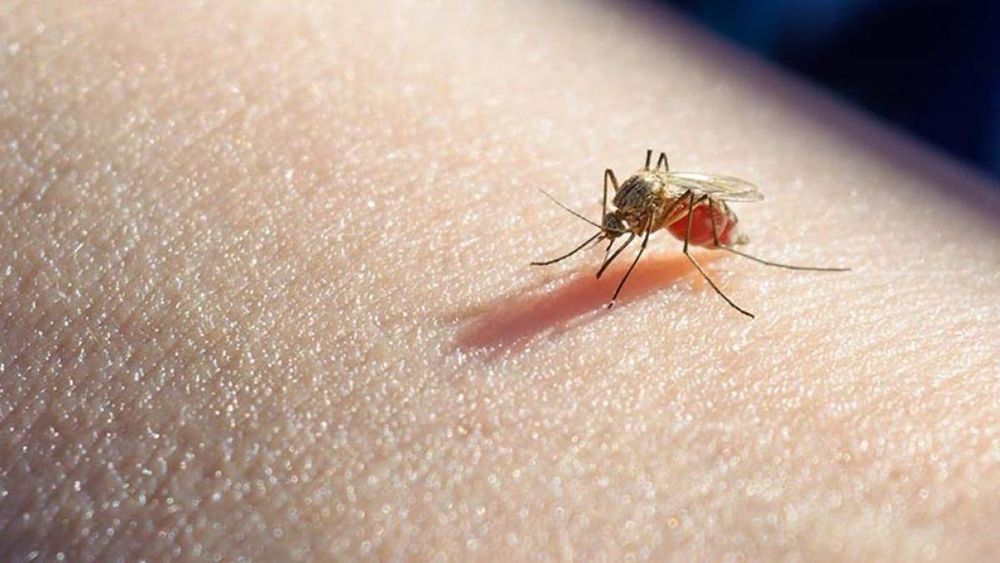
Panama’s Ministry of Health (Minsa) has confirmed a malaria outbreak with 37 positive cases centered around the Merca Panamá wholesale food market on Vía Centenario in Panama City. The situation is currently being managed under strict health protocols. The outbreak is concentrated primarily among informal workers (many from indigenous Guna communities) who have been sleeping in the dense, wooded areas surrounding the market facilities. Investigations indicate the virus was introduced by individuals migrating from malaria-endemic regions of Panama—such as Darién, the indigenous comarcas, Bocas del Toro, Veraguas, or Panamá Este. Minsa has strongly emphasized that it is completely safe to buy and consume food from Merca Panamá. Malaria is a parasitic disease spread exclusively through the bites of infected female Anopheles mosquitoes.
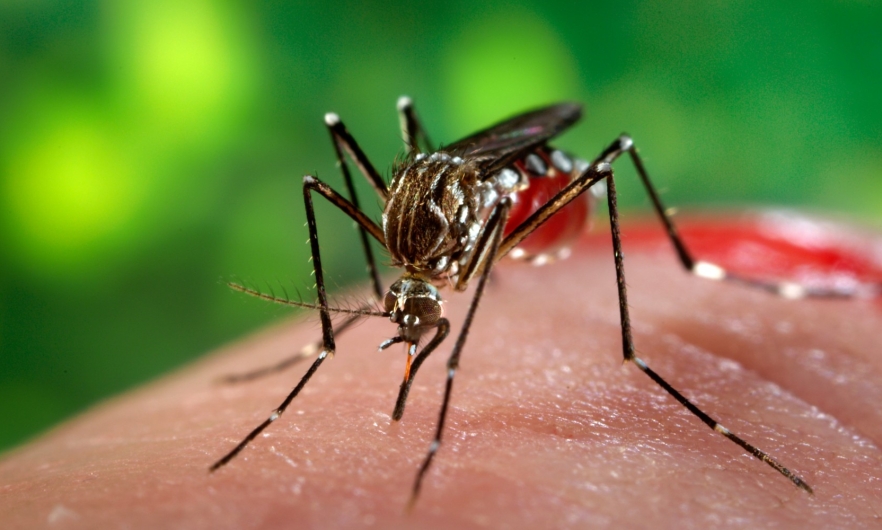
It cannot be transmitted person-to-person, nor through the handling, purchase, or consumption of groceries. Public health teams are actively conducting mass testing, distributing anti-malarial treatments, tracking patient compliance, and initiating widespread fumigation in the surrounding risk areas. Six of the infected individuals have already successfully completed their treatment and been discharged. The market sits near the Ciudad de la Salud hospital complex, therefor the Social Security Fund (CSS) has proactively intensified sanitation inspections and mosquito breeding-site elimination in the hospital grounds. No malaria cases have been detected within the hospital complex itself. Health officials advise anyone who frequents mosquito-prone or heavily wooded areas around Vía Centenario to wear long clothing, apply mosquito repellent (especially from dusk until dawn), and immediately seek medical attention if they develop a fever.