

Liability Insurance for Landscapers: What It Covers and Why It Matters
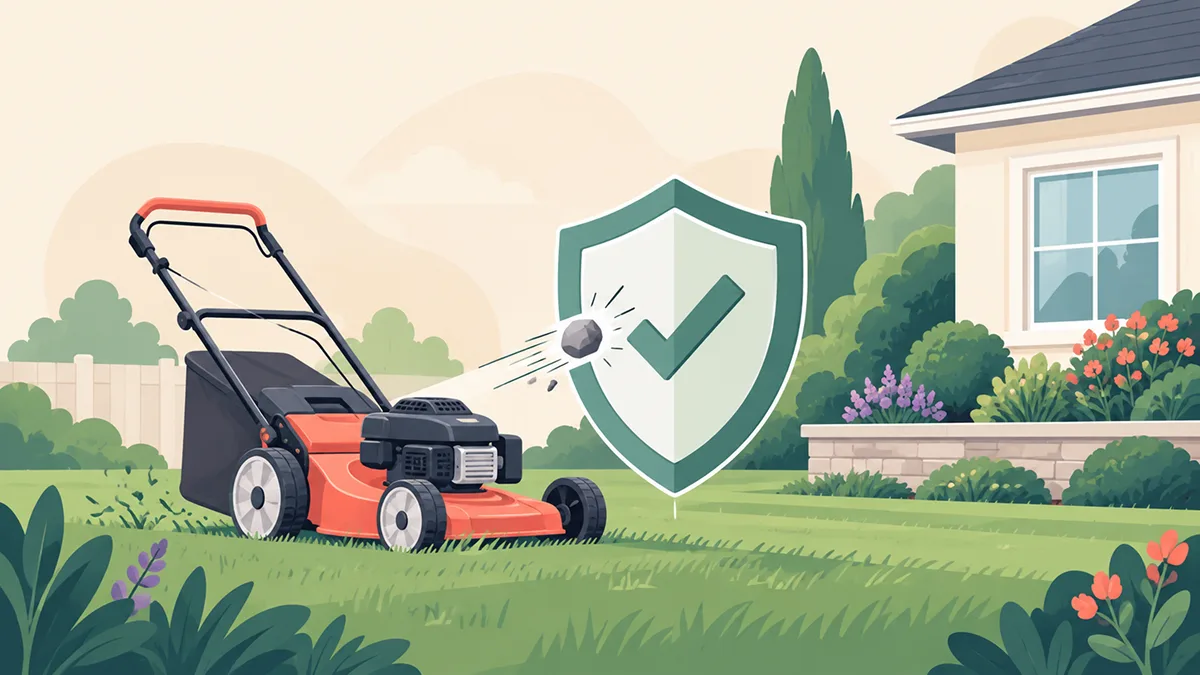
You started mowing lawns. Then you added mulching, edging, and seasonal cleanups. Then a client asked about irrigation installation. Another wanted chemical spraying. Before long, snow removal contracts showed up for winter.
That’s how most landscaping businesses grow. Service by service, season by season. The problem is that liability insurance for landscapers doesn’t automatically expand with your service list. The policy you bought when you were mowing residential yards may not cover the business you’re running today.
General liability is the foundation. It covers third-party bodily injury and property damage from your operations. But what qualifies as “your operations” depends on what’s actually listed in your policy. Add services without updating your coverage, and you’re working with gaps you won’t discover until a claim gets denied.
Here’s what your policy should cover and where the blind spots usually hide.
What Liability Insurance for Landscapers Actually Covers
General liability protects your business when your work causes harm to someone else or their property. For landscapers, that means the risks that come with being on a client’s property every week.
The core coverages include:
- Third-party bodily injury. A client trips over a hose your crew left in the walkway. A pedestrian gets hit by debris from a mower. A child steps on a rake left near the work area.
- Third-party property damage. A trimmer nicks a window. A skid steer cracks a driveway. An irrigation line installation ruptures an existing gas line underground.
- Completed operations. A retaining wall you built six months ago fails and damages the neighbor’s property. This coverage responds to claims that arise after you’ve finished the job and left the site.
Most commercial clients require proof of landscaping business insurance before they’ll review your bid. Minimum limits are typically $1 million per occurrence and $2 million aggregate. Without it, you lose contracts before the conversation starts.
Quick summary: General liability covers bodily injury, property damage, and completed operations claims from your landscaping work. It’s the baseline policy every landscaping business needs before adding any other coverage.
Where Liability Insurance for Landscapers Has Gaps
Here’s where landscapers get caught. Your policy covers the services you declared when you bought it. Add new services without notifying your carrier, and those activities may fall outside your coverage.
Chemical Application
Herbicide spraying, fertilizer application, and pesticide treatments trigger the pollution exclusion on most standard GL policies. If your crew sprays a yard and the chemical drifts onto a neighbor’s garden, a standard policy may deny the claim entirely.
You need a pollution liability endorsement or a separate applicator coverage add-on. If you spray anything, confirm this is in your policy. It’s the most common gap in liability insurance for landscapers who have expanded beyond basic maintenance.
Irrigation and Hardscaping
Installing irrigation systems means digging. Digging means underground utility exposure. A punctured gas line or severed fiber optic cable generates a claim that can exceed your policy limits quickly.
Hardscaping work like patios, retaining walls, and fire pits carries different liability than lawn care. Your policy needs to reflect these activities specifically. A carrier that doesn’t know you’re building retaining walls may not cover the claim when one fails.
Snow and Ice Removal
Adding snow removal turns a seasonal business into a year-round one. It also introduces slip-and-fall exposure on every property you service. If someone falls on ice at a commercial lot you plowed, the claim comes to you.
Snow and ice work often requires a separate endorsement or a distinct coverage line. Don’t assume your summer landscaping policy covers winter operations.
Note: Every time you add a service line, call your broker. A five-minute conversation now prevents a coverage denial on a $50,000 claim later.
Other Coverage Lines Landscapers Need
General liability is the starting point. It isn’t the finish line.
Workers’ compensation covers your crew when they get hurt. Landscaping involves mowers, chainsaws, chemicals, and heavy lifting. Most states require it once you have employees.
Commercial auto covers your trucks, trailers, and equipment in transit. Personal auto policies exclude business use. If your crew drives company vehicles, you need commercial auto.
Inland marine covers tools and equipment that move between job sites. Mowers, blowers, trailers, and skid steers aren’t covered under a standard property policy when they leave your shop.
Umbrella liability extends your limits beyond what GL, auto, and workers’ comp provide. One serious injury claim can exceed a $1 million GL limit.
How to Make Sure Your Liability Insurance for Landscapers Matches Your Business
Your liability insurance for landscapers should reflect what your company does today, not what it did when you first bought the policy.
Run through this checklist annually:
- Does your policy list every service you currently offer, including chemical application, irrigation, hardscaping, and snow removal?
- Is pollution liability included or endorsed onto your GL?
- Does completed operations coverage extend to all your service lines?
- Are seasonal employees and subcontractors accounted for in your workers’ comp?
- Do your limits match the contract requirements of your largest clients?
If you can’t answer yes to all five, your policy has gaps. Providers like NIP Group specialize in landscaping coverage that scales with your operations as you add services and grow your crew.
Important: Don’t wait for a claim to find out what your policy excludes. Review your coverage every time your service list, crew size, or client base changes.
FAQs
- What does liability insurance for landscapers typically cover?
General liability covers third-party bodily injury, property damage, and completed operations claims arising from your landscaping work. It pays for medical expenses, repair costs, legal defense, and settlements when your operations cause harm to a client, their property, or a third party.
- How much does liability insurance for landscapers cost?
Costs vary based on revenue, crew size, services offered, claims history, and location. Most landscaping businesses pay between 0.5% and 1.75% of annual revenue for general liability. Adding services like chemical spraying or snow removal increases premiums due to higher risk exposure.
- Does general liability cover chemical spraying for landscapers?
Not automatically. Most standard GL policies include a pollution exclusion that can deny claims from herbicide drift, fertilizer runoff, or pesticide damage. Landscapers who perform chemical application need a pollution liability endorsement or separate applicator coverage added to their policy.
- Do landscapers need insurance for snow removal?
Yes. Snow and ice removal introduces slip-and-fall liability on every property you service. Most summer landscaping policies don’t automatically cover winter operations. You’ll need a separate endorsement or coverage line to protect against claims from ice-related injuries on client properties.