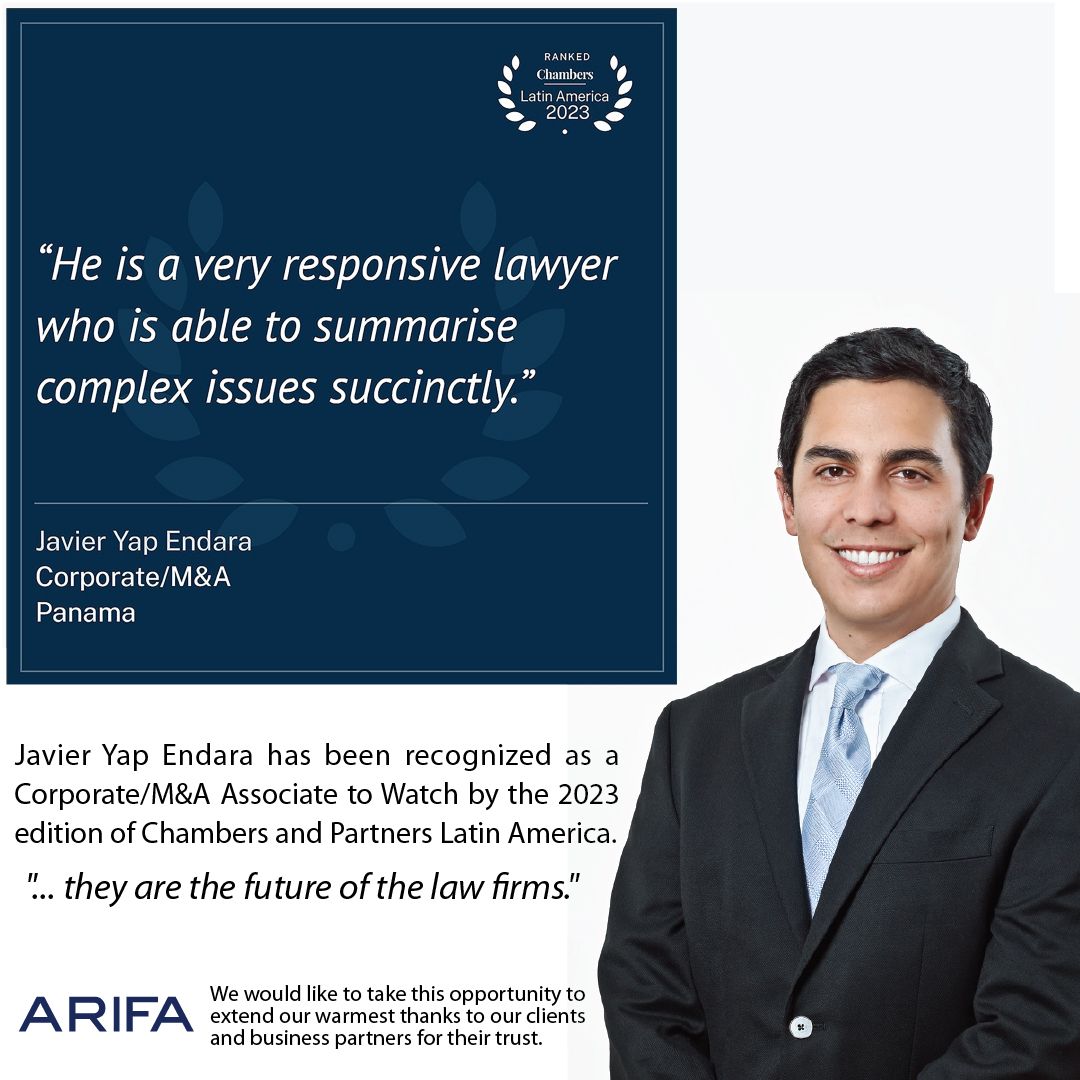
Panama Lawyer Javier Yap Endara says ‘Their Trap Didn’t Work Because We Got Ahead of Them by Submitting the Signatures’.
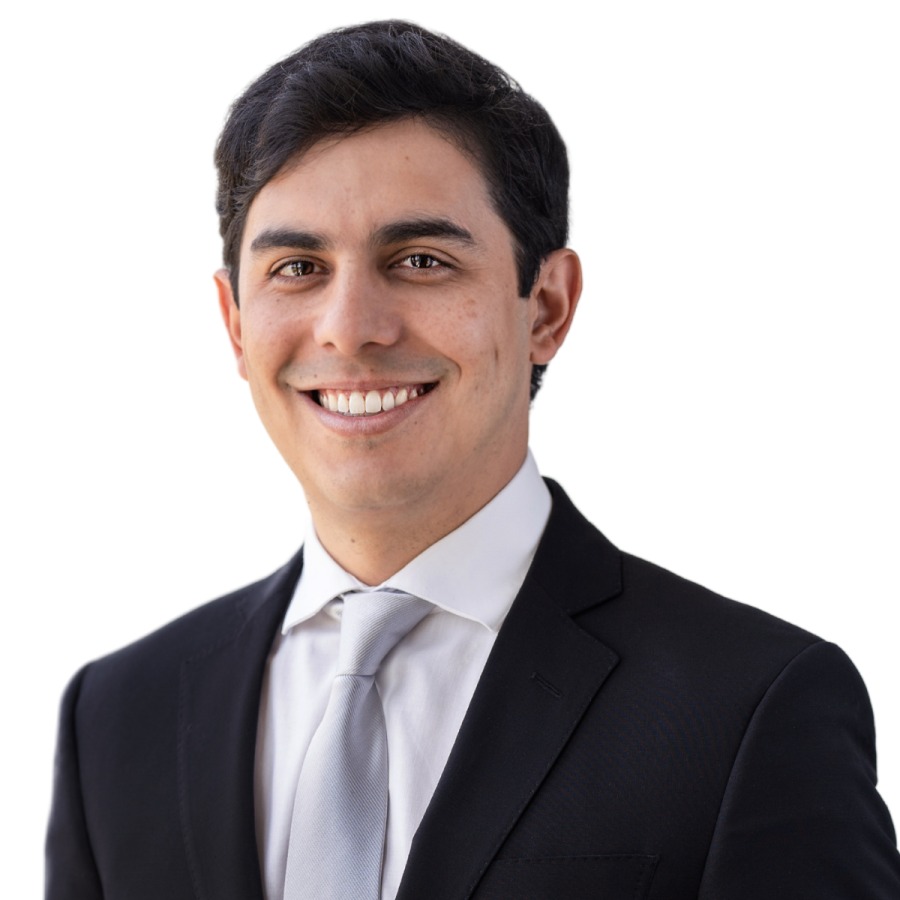
Javier Yap Endara is a lawyer; he is also the co-founder and director of Legal and Compliance for the Vamos coalition, an independent movement in the process of becoming a political party. He has worked for 12 years in the private sector and is the grandson of former president Guillermo Endara Galimany (1989-1994).
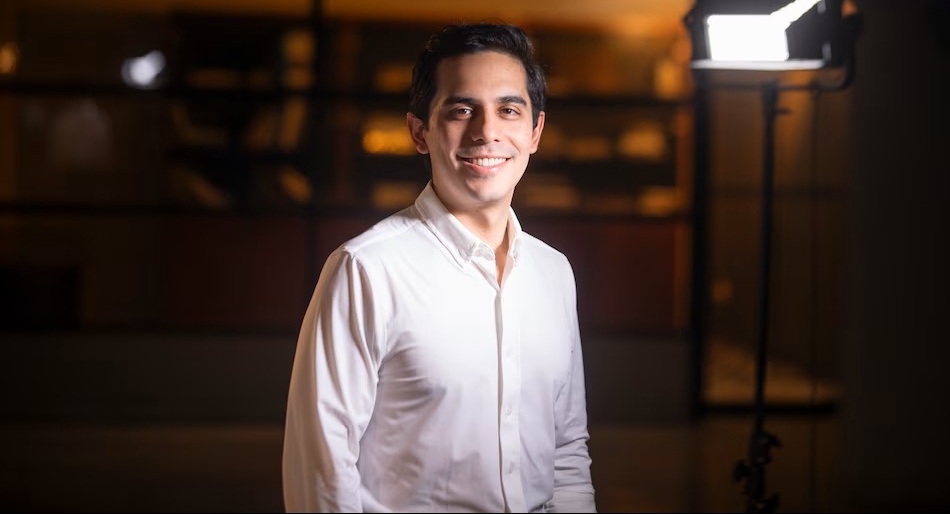
When did you begin to understand what politics was, being the grandson of Guillermo Endara, the president of the transition to democracy?
When I was 13, my grandfather decided to criticize the things his party, the Panameñista Party at the time, was doing. Many people don’t know this, but he was expelled from the Panameñista Party because he started criticizing how, instead of doing what a party should do, of running the country as it should be run during that administration, they began doing things that were morally wrong. He became like the rebel… the one who started criticizing President Moscoso. “I’ve decided to start something from scratch with people who I don’t even know if they’re fans of my grandfather or not.”
What did you learn from seeing your grandfather expelled from his own party?
I have been involved with politics since that age because I witnessed my grandfather being expelled from his party. That instilled in me a certain rebellious streak. For many politicians, the natural thing to do is stay in the same place they have always been, despite the bad things that happen. When I turned 18, it never crossed my mind to join a party. I do not say this out of disrespect, but because my own grandfather was not even in that party anymore. However, I put that rebellious spirit I grew up with into practice. I decided, along with others, especially Juan Diego Vásquez, Gabriel Silva, and many other leaders, to found the Vamos coalition. “Vamos is being used as a tool to create new leaders, and that is totally contrary to the idea of a single figure.”
How Did Vamos Get Started?
A group was formed, led by Juan Diego at that time, where we all shared a very specific goal: let us start small and gradually increase our efforts. What I feel sets us apart is our discipline and long-term vision. We certainly did not nominate all the candidates we could have in 2024 because we recognized our own limitations. We do not have the financial resources, and we do not really have the capacity to be present throughout the entire country.
Political parties often emerge around a leader or a specific situation. Over time, they lose what formed them and end up being merely a vehicle for gaining power. How can Vamos avoid ending up like that?
We have been very exemplary in how Vamos is being used as a tool to create new leaders. This is completely contrary to the idea that there has to be this single, messianic figure. There can be strong leaders, like the ones we have, and no one can deny the leadership we all recognize in our leader, the coalition president Juan Diego Vásquez. But for those who say this is solely about him, my clearest rebuttal is that he set aside part of his promise to allow more leaders to emerge, and we are seeing that in practice. Since 2023, we have published a platform of initiatives outlining things we want to do in government. We have traveled the country for the last year and a half, trying to create a 2040 agenda, a vision for the country, outlining the kind of country we want to be in 14 years. “Political parties, in theory, have to spend a certain percentage of their budget on training. We, who don’t have subsidies, are asking for borrowed venues and spaces and convincing experts to come and speak to us for free.”
And don’t the traditional parties have that? What distinguishes them, beyond promising that this time they will do things right?
I vividly remember the end of 2023 and the beginning of 2024, when we were putting so much effort into improving our platform document of initiatives, which was on our website. We looked around at the websites of political parties, who theoretically have millions of dollars to produce much better things, and not one of them had anything. Political parties, in theory, have to spend a certain percentage of their budget on training. We, who don’t receive any subsidies, are asking to borrow venues and spaces and convincing experts to come and speak to us for free.
Developing leaders, oversight, a 2040 vision… maybe people don’t make a living from that. Traditional parties understood that clientelism is the formula, and that’s what keeps them in power. Won’t that backfire on them?
The first thing is that oversight is essential… When you see, for example, a school that’s falling apart, but on the other hand, the Ministry of Education has too much money, that disconnect… where is the minister? He’s in an air-conditioned room; he doesn’t feel the urgency because he’s not experiencing the problem firsthand. Having representatives of the people, who are looking out for these issues, is part of that sense of representation that we need to restore to society. And when local governments, instead of handing out things that are just a temporary fix, are truly changing the way politics is done, we believe we’re marking a turning point. “The concept of nepotism tends to dismiss the person who isn’t very useful, who is just hanging on because he’s the son of so-and-so. I’ve been working in the private sector for 12 years.”
Being the grandson of a former president means you have to deal with the “nepo baby” label, and with politicians who use your grandfather’s image, like when Martín Torrijos said that Endara supported his movement. How do you deal with that?
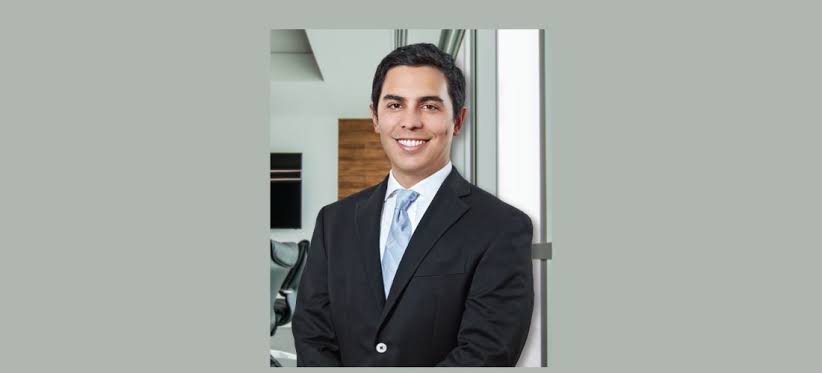
First, I need to clarify, because the term “nepo baby” tends to be used to describe someone who isn’t very capable, someone who’s just there to benefit from someone’s connections. I’ve been working in the private sector for 12 years. I also studied at two of the best universities in the world, which had absolutely nothing to do with a phone call from my grandfather. I’ve decided to start something from scratch with people who I don’t even know if they’re fans of my grandfather or not. Regarding Martín, yes, it surprised me, and at that moment, something precious to me, like his memory, affected me. In the end, they’re public figures and belong to everyone.
There’s now a list of movements that want to become a political party. Do you see them as competition?
I see it as very positive, and I love that there are new efforts toward representation. Roughly half of Panamanians are registered with political parties. In the polls—which we may or may not believe, but are consistent across different polling firms—when people are asked how they identify, usually around 75% say, “I am independent.” Just look at the PRD, which is the party with the most registered members, and it didn’t exactly fare well in the last presidential election. “Benicio and his allies can do whatever they want. We have the law on our side, and even if they change it, it cannot affect us retroactively.”
Last Friday, they submitted more than 70,000 signatures to turn Vamos into a political party.
Now the usual process before the Electoral Tribunal begins, which we hope will proceed without delays, so that we can become a party as soon as possible. Benicio and his allies can do whatever they want. We have the law on our side, and even if they change it, it cannot affect us in any way. Troactiva. Their trap didn’t work because we got ahead of them by submitting the signatures. The challenge we face is to keep fighting, even though Vamos’ representatives are in the minority, to prevent several of the traditional parties’ attempts to pull off related to public funding, how seats are allocated in multi-member districts, the signature requirements and timeframe for independent candidacies, and worst of all: running for two offices simultaneously.