Not All Home Saunas Are the Same-Here’s What Actually Matters
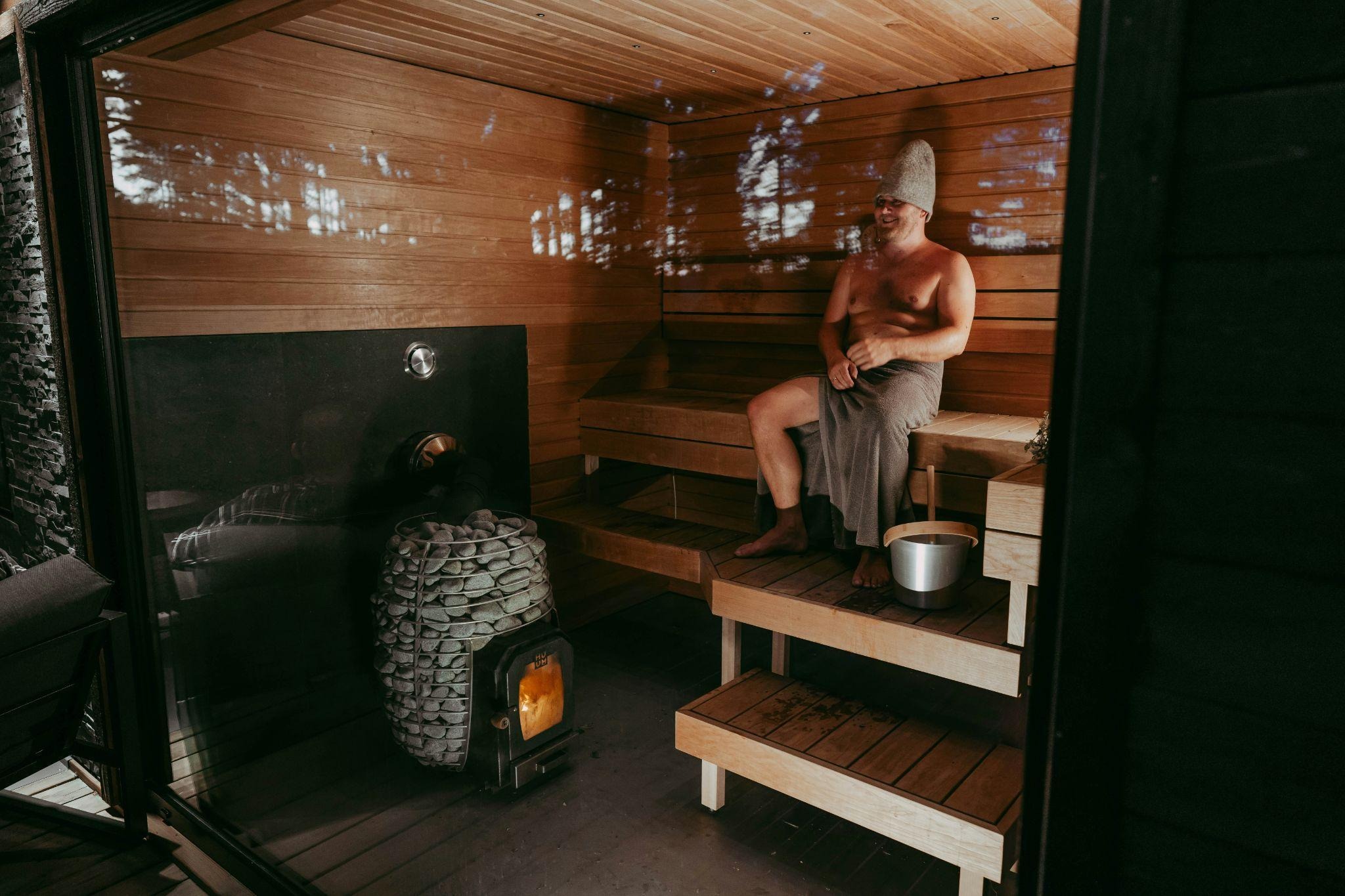
Adding a sauna at home can sound like a simple purchase until the comparisons begin. Indoor or outdoor? Traditional heat or infrared? Larger cabin or compact setup? How much power will it need, where will it go, and how often will it realistically be used?
Those decisions matter because a sauna that looks perfect online may not be the best match for the available space, household routine, or preferred experience. The smartest approach is to compare the practical details before focusing on finishes and design.
A home sauna should feel easy to use, comfortable to maintain, and suitable for the people who will actually use it. Getting those fundamentals right at the beginning can make the difference between an exciting feature that becomes part of everyday life and an expensive upgrade that rarely gets switched on.
Start With the Type of Sauna Experience You Actually Want
Before comparing sizes or materials, decide what kind of heat experience sounds most appealing. Traditional dry saunas, steam-heavy environments, and infrared options can feel noticeably different in use.
Homeowners trying to understand those differences can start with the comparison from Premium Saunas, especially when deciding whether they prefer a hotter, drier environment or a setup where humidity plays a larger role.
Think about personal preference rather than simply choosing what appears most luxurious. Someone who enjoys intense traditional heat may value a very different setup from a person who prefers longer sessions at lower temperatures.
This decision should come before buying because the sauna type can influence electrical requirements, ventilation, location, and overall installation planning.
Measure the Space Before Choosing the Model
It is easy to fall in love with a sauna that is simply too large for the available room.
Measure the proposed area carefully and include more than the footprint of the cabin itself. Doors need space to open, electrical access needs consideration, and there should be enough room to enter and exit comfortably.
For indoor installations, ceiling height and ventilation may matter just as much as floor space. Outdoor setups require additional thought around foundations, drainage, weather exposure, and access from the house.
Also consider how many people will normally use the sauna. Buying a much larger model for occasional guests may add cost and heating demand without improving everyday use.
Design around the typical session first. Extra capacity is useful only when it will actually be used.
Compare Heating Time and Energy Requirements
Different sauna types and sizes can vary significantly in how quickly they reach operating temperature and how much energy they require.
A larger cabin generally takes more energy to heat than a smaller one, while heater type and insulation also influence performance. Before buying, look at the electrical specifications and confirm whether the existing setup can support the unit.
Some installations may require dedicated electrical work, which should be included in the budget rather than treated as a surprise after delivery.
Heating time matters for convenience too. Someone who wants spontaneous twenty-minute evening sessions may care more about quick preparation than a person who routinely plans sauna time in advance.
Think about how the sauna will fit into real life. A system that technically performs well but feels inconvenient to start may end up being used less frequently.
Decide Whether Indoor or Outdoor Makes More Sense
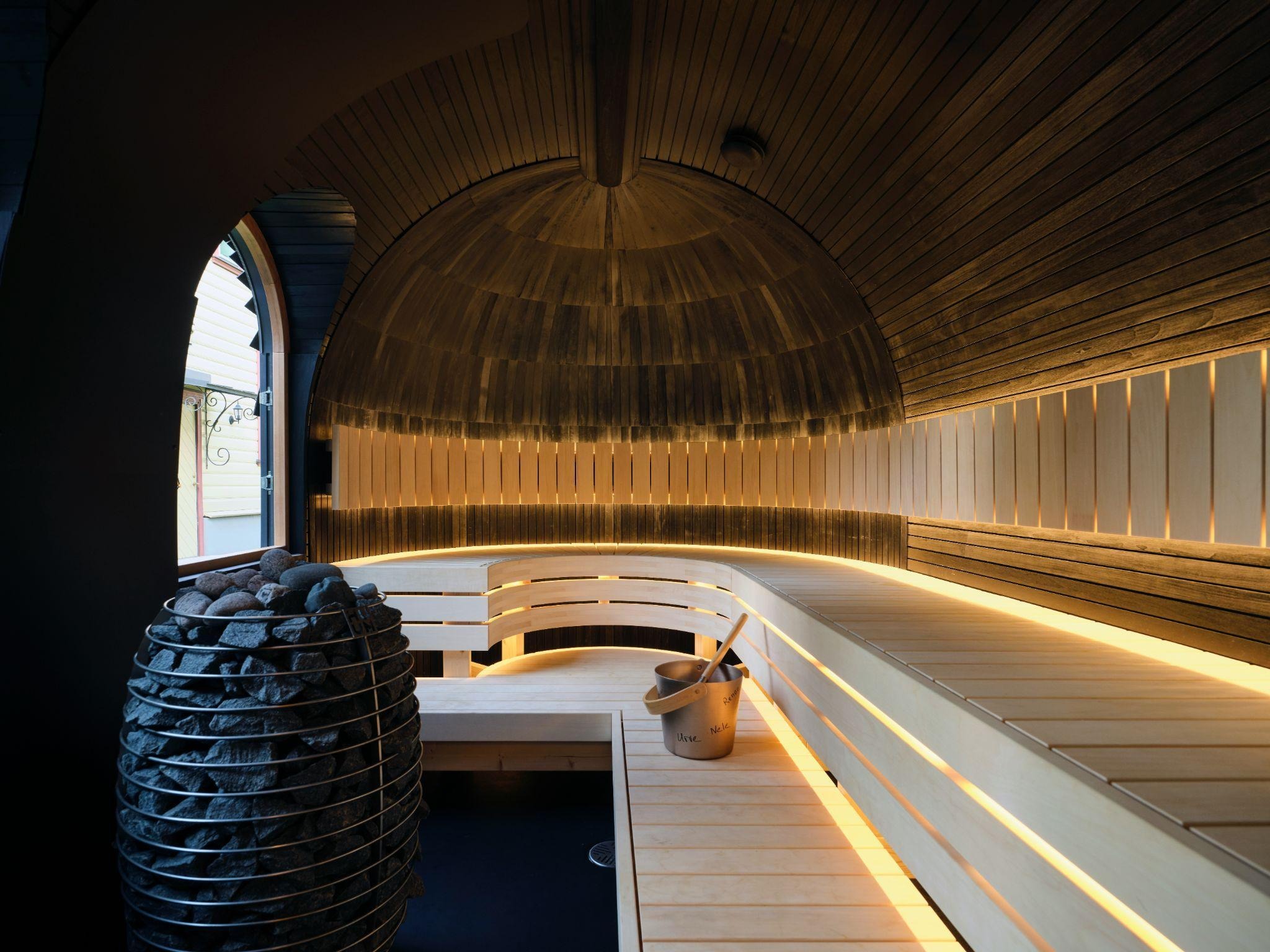
Both locations can work well, but they create different advantages and challenges.
An indoor sauna offers convenience. There is no need to cross the yard in winter, and it may be easier to connect the sauna to an existing bathroom or changing area. The trade-off is that indoor space can be limited, and ventilation, electrical work, and moisture management need careful planning.
Outdoor saunas offer more flexibility when interior square footage is precious. They can also become part of a larger backyard wellness area alongside seating, a shower, or other relaxation features.
However, outdoor installations need a suitable foundation, weather protection, electrical planning, and a convenient route from the house.
The better choice is the one that removes friction. If reaching the sauna feels inconvenient, even an impressive setup may not get used regularly.
Look Beyond the Purchase Price
The advertised price is only part of the investment.
Delivery, assembly, electrical work, site preparation, flooring, ventilation, and accessories can all increase the final cost. Outdoor saunas may also need a concrete pad, deck, or other stable base before installation begins.
Ask what is included before comparing two models purely by price. One package may come with major components already included while another requires several additional purchases.
Running costs deserve attention too. Heater power, session length, frequency of use, and local electricity prices all affect what the sauna costs over time.
Maintenance should be considered as well. Wood surfaces need basic care, floors require cleaning, and any mechanical components should remain accessible for servicing.
A realistic budget should cover the complete installation, not just the cabin arriving at the door.
Pay Attention to Bench Layout and Interior Comfort
Interior dimensions can be misleading. Two saunas with similar external sizes may feel completely different once benches, heaters, and doors are positioned inside.
Look closely at bench depth, height, and length. If lying down is important, make sure at least one bench can accommodate it comfortably. If several people will use the sauna together, consider whether the seating arrangement allows everyone enough room without feeling crowded.
Bench height also affects the experience because hotter air rises. A higher bench generally feels warmer than seating closer to the floor.
Lighting, backrests, headrests, and controls may seem like small details, but they influence how comfortable the space feels during longer sessions.
A sauna should not merely fit into the available room. It should feel comfortable enough that people want to stay in it.
Buy for the Routine You Expect to Keep
The best sauna is not necessarily the largest, most powerful, or most feature-rich model.
Think about an ordinary week six months after installation. Who will use it? How often? At what time of day? Will sessions usually involve one person or several? Is the sauna meant for quick evening relaxation or longer weekend use?
Those questions help separate useful features from expensive extras.
If convenience matters most, location and heating time may deserve more attention than elaborate finishes. If the sauna is intended as part of a backyard entertaining area, capacity and exterior appearance may matter more.
Buying around real habits usually produces a better result than designing around rare occasions.
A home sauna can become a genuinely valuable part of a household routine, but only when the practical decisions support the way it will actually be used. Compare the heat experience, available space, installation requirements, operating costs, and interior comfort before committing.
Once those pieces are right, choosing the final look becomes the easy part.