Atmospheric Research in Panama is Being Conducted by NASA Aircraft.
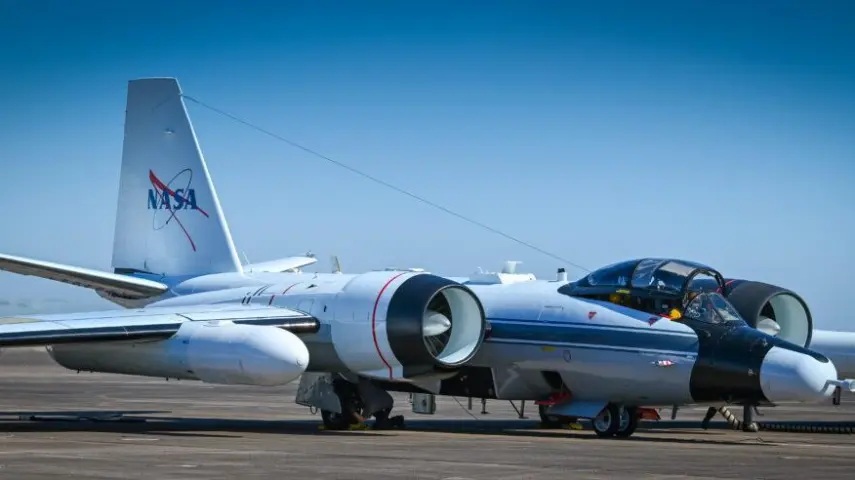
The U.S. Embassy in Panama indicated that a NASA high-altitude research aircraft is operating in the country from August 24 to September 23, as part of the U.S. National Oceanic and Atmospheric Administration’s (NOAA) SABRE mission, in collaboration with NASA. This is the WB-57 aircraft, which is based at Panama Pacific International Airport and conducts scientific flights to study the tropical atmosphere. The plane is equipped with more than 17 instruments to measure aerosols, atmospheric gases, ozone, water vapor, and meteorological conditions. Panama’s geographic location allows researchers to collect data on tropical atmospheric conditions, including deep convection north of South America and the Intertropical Convergence Zone.
“Having better atmospheric data means better information for American scientists; better models to understand the climate and a greater scientific advantage for the United States,” said U.S. Ambassador to Panama, Kevin Marino Cabrera. The SABRE mission studies how aerosols form, move, and transform in the upper layers of the atmosphere, an area of importance for the ozone layer, which protects the Earth from ultraviolet radiation. During flights, the WB-57 generally operates between 13 and 19 kilometers altitude and is expected to perform approximately three scientific flights per week, depending on atmospheric and meteorological conditions.