Panama’s Vamos Coalition Approves Itself to Become a Political Party.
This Saturday, August 29, Juan Diego Vásquez, leader of the Vamos coalition, announced the movement’s registration as a political party. Its members approved in an assembly to begin the process of registering with the Electoral Tribunal as a political organization.
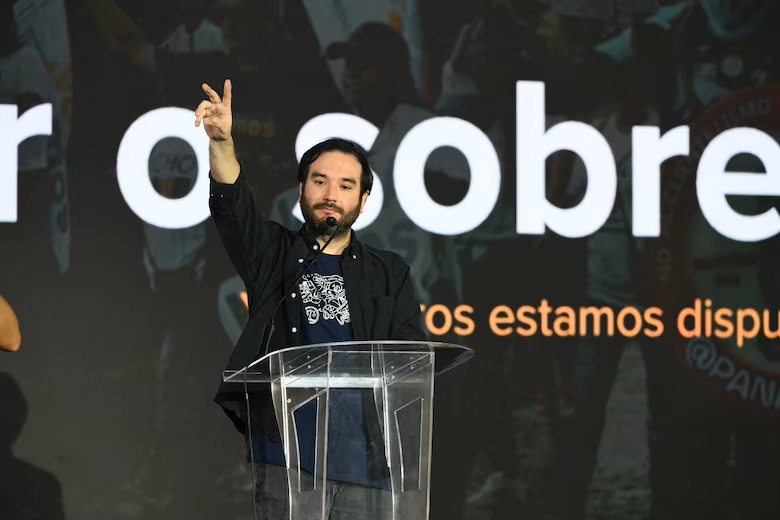
The Vamos coalition, an independent movement that emerged in April 2022, will become a political party. This Saturday, August 29, its members approved in an assembly to begin the process of registering with the Electoral Tribunal as a political organization. Juan Diego Vásquez, leader of the movement, said they will maintain their principles. “Today the decision was made to survive these threats of destruction,” Vásquez said, referring to the obstacles and criticisms made by leaders of other parties. The meeting is attended by elected officials, former candidates, members of the movement, and volunteers.
Earlier.
“It will be an important day, not only in the history of Vamos, but also for Panamanian politics,” said Gabriel Silva, a former independent congressman and one of the founders of the movement, earlier today. The event takes place amidst a political landscape that complicates the participation of independent candidates in the upcoming elections. Vamos faces a dilemma: during the discussion of the bill to amend the Electoral Code in the National Commission for Electoral Reforms, political parties proposed several modifications that, according to the independents, impose greater restrictions on independent candidacies.
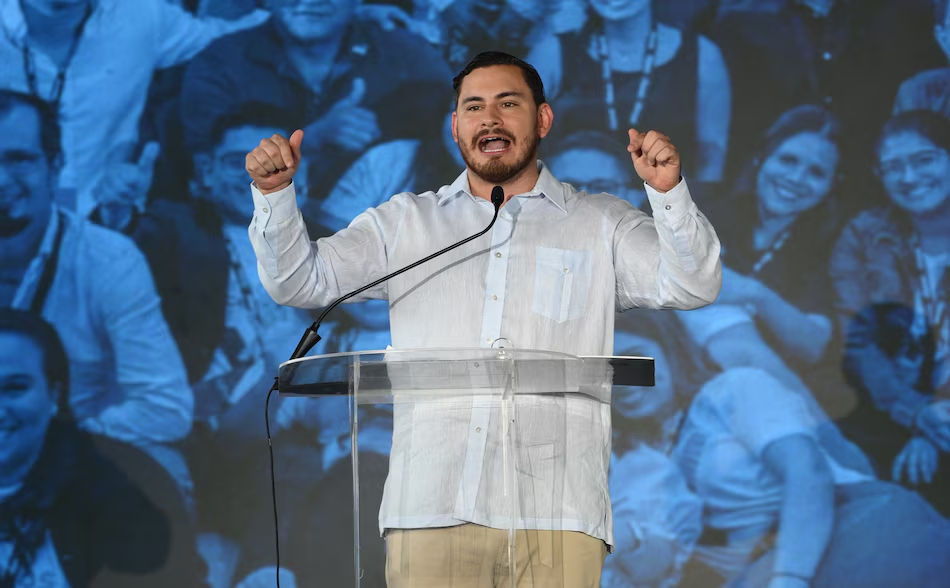
Gabriel Silva, one of the leaders of Vamos, during the third members’ assembly this Saturday, August 29, 2026.
Among the proposed changes are, for example, new rules for the election of representatives in multi-member districts. The initiative amends Article 424 of the Electoral Code and presents three options for voters: vote for all candidates on a party list; select one or more candidates from that list; or vote for a single independent candidate. The key difference is that voting for independent candidates would be strictly individual, without party lists and without the possibility of selecting more than one candidate. This change could affect the model known as “party-list voting,” used by Vamos to achieve broad representation in the 2024 elections.
In those elections, Vamos, led by former deputy Juan Diego Vásquez obtained 19 deputies in the National Assembly under the current rules and also won mayoralties and corregimiento representations. The reforms to the Electoral Code are expected to reach the National Assembly soon. The first hurdle will be the Government, Justice, and Constitutional Affairs Committee, currently chaired by Deputy Benicio Robinson, president of the Democratic Revolutionary Party (PRD), who has been critical of independent candidacies. According to Silva, the political parties represented in the National Assembly “have already aligned themselves,” so he believes they will try to make things difficult for independent candidates in the upcoming elections.
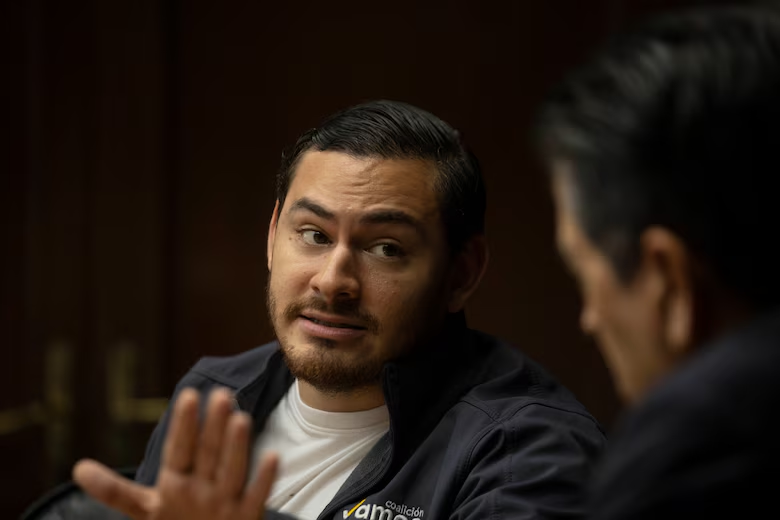
In response to the transformation of the Vamos Coalition into a political party, approved this Saturday, Juan Diego Vásquez, leader of the movement, said that they will maintain their principles.