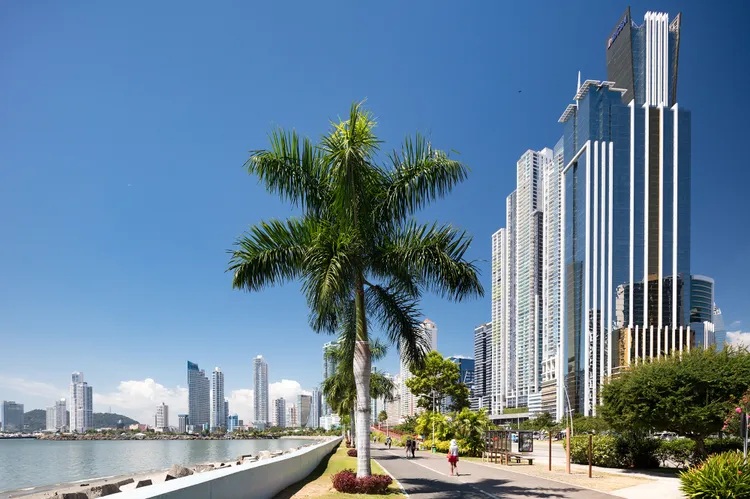
Panamanian Government Declares a National State of Emergency Due to the El Niño Phenomenon.
According to forecasts from the Institute of Meteorology and Hydrology of Panama (IMHPA), the El Niño phenomenon will reach greater intensity. The Panamanian government has declared a national state of emergency in response to the effects of El Niño. The measure aims to implement preventative mitigation and immediate response actions to strengthen the operational capacity of institutions to provide timely assistance in the event of any incidents.
Decision of the Panamanian Government.
Cabinet Council Resolution No. 102-26 establishes that it is necessary to apply these measures in response to the effects that this climatic event could cause. Official data records at least 15,643 people affected by floods from January 2026 to date, of which more than 70% are concentrated in the provinces of Bocas del Toro and Colón, while the rest correspond to the Ngäbe Buglé and Naso Tjër Di regions.
The Effects Could Last until May of 2027.
For other regions of the country, according to forecasts from the Institute of Meteorology and Hydrology of Panama (IMHPA), the phenomenon will reach greater intensity with rainfall deficits during the months of October, November and December 2026, as well as in January, February and March 2027. Its effects will extend until May 2027 with high temperatures that could impact the population, the agricultural sector and the country’s water resources. This situation could lead to droughts in river basins and low levels in lakes and reservoirs, such as Bayano, as well as affect ship traffic and the availability of water for Panama Canal operations.
Furthermore, impacts on hydroelectric power generation are expected, which would compromise the stability and sustainability of national energy resources. Consequently, the resolution stipulates that the Ministry of the Presidency will coordinate with the requesting entities and the Ministry of Economy and Finance the necessary actions to implement this authorization. The document authorizes the required procurements to be carried out through the special procurement procedure for national emergencies, valid until June 30, 2027. Likewise, the National Civil Protection System (Sinaproc) is authorized to coordinate the receipt and acceptance of contributions from humanitarian organizations that wish to contribute to the care of the affected people.
Exceptional Contracts.
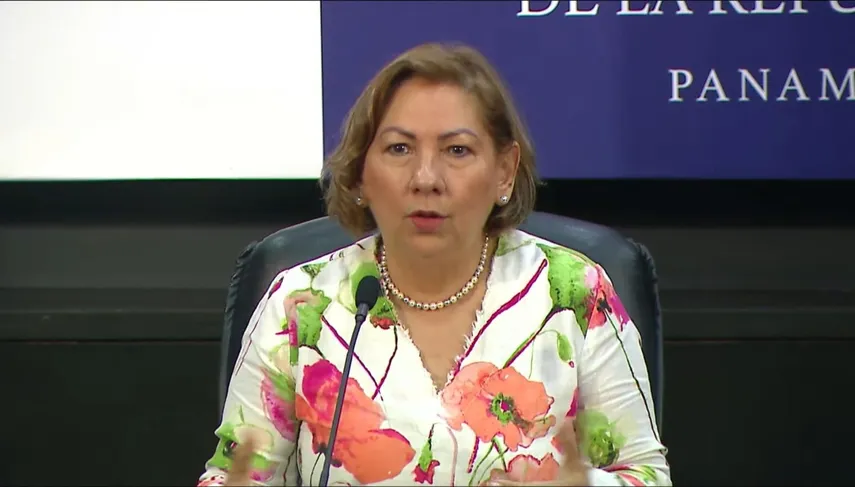
The declaration of a national emergency empowers all ministries and public entities to make exceptional acquisitions of goods and services to address any cases that may arise. Therefore, the Cabinet resolution mandates that entities submit written reports detailing the contractor’s name, the purpose of the expenditure, and the contracted amount. This report must be published on the PanamaCompra electronic public procurement system. In response to this situation, the director of IMHPA, Luz Graciela de Calzadilla pictured above, stated that the declaration of a state of emergency seeks to anticipate possible scenarios that may arise due to the El Niño phenomenon throughout the national territory, whether floods or landslides in places where it rains above average, or drought where there is insufficient rainfall.
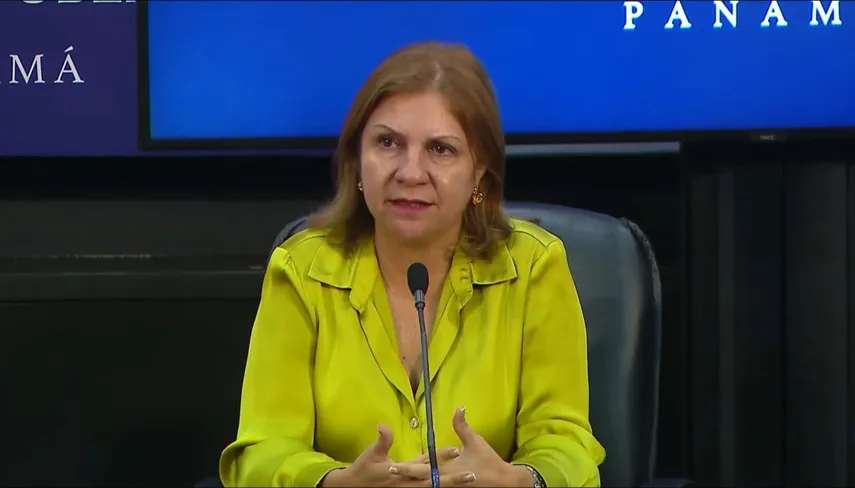
For her part, the Minister of Government, Dinoska Montalvo pictured above, explained that there are currently 11 hydrographic basins within the country considered to be in a situation of “water stress”, with low levels in their rivers, which complicates the operation of hydroelectric plants and water treatment plants. This situation contrasts with that of Bocas del Toro, a province that registers 25% more rainfall than usual at this time of year, increasing the risk of floods and landslides. The effects of El Niño in Panama from January to August have reached 15,453 people, explained Omar Smith, general director of Sinaproc.

The country’s road network has also suffered damage due to the El Niño weather disturbances, explained Edwin Lewis pictured above, Director of Studies and Design at the Ministry of Public Works (MOP). The damage has been concentrated mainly in the provinces of Bocas del Toro, Colón, and Coclé, where there are reports of foundation erosion at at least 10 bridges. “The Ministry of Public Works already has a plan in place to address all these points,” Lewis stated