The Panama Canal’s Security Command Opens a Legal Debate Coordination or a Constitutional Breakdown?
The Panama Canal Authority (ACP) says the new security command does not change the coordination model for protecting the Canal, while a lawyer warns that the structure could violate the Constitution.
The Panama Canal’s security arrangements have sparked intense legal and constitutional debate following joint U.S.–Panamanian defense agreements and a Supreme Court ruling annulling port concessions. Critics and constitutional experts question whether bilateral security coordination compromises national sovereignty or breaches the Torrijos-Carter Treaties, while governments maintain the framework respects domestic law.
The Security and Legal Framework
- Joint Declarations: Agreements signed between Panamanian officials and the U.S. Department of Defense establish cooperative security, cybersecurity, and rotational training.
- Sovereignty Claims: Official statements insist that all actions comply with the Panamanian Constitution, the Organic Law of the Canal, and the Neutrality Treaty.
- Supreme Court Port Ruling: The Panama Supreme Court declared long-standing terminal concession contracts unconstitutional, shifting operational control.
Core Arguments in the Debate
- Arguments for Coordination: Proponents view the security commands and pacts as a modern, necessary defense collaboration against transnational and regional threats, operating strictly under mutual consent.
- Arguments for Constitutional Strain: Critics and domestic activists argue that foreign military proximity and high-level pressure hint at an erosion of autonomy, risking a domestic constitutional breakdown and backlash over national dignity.
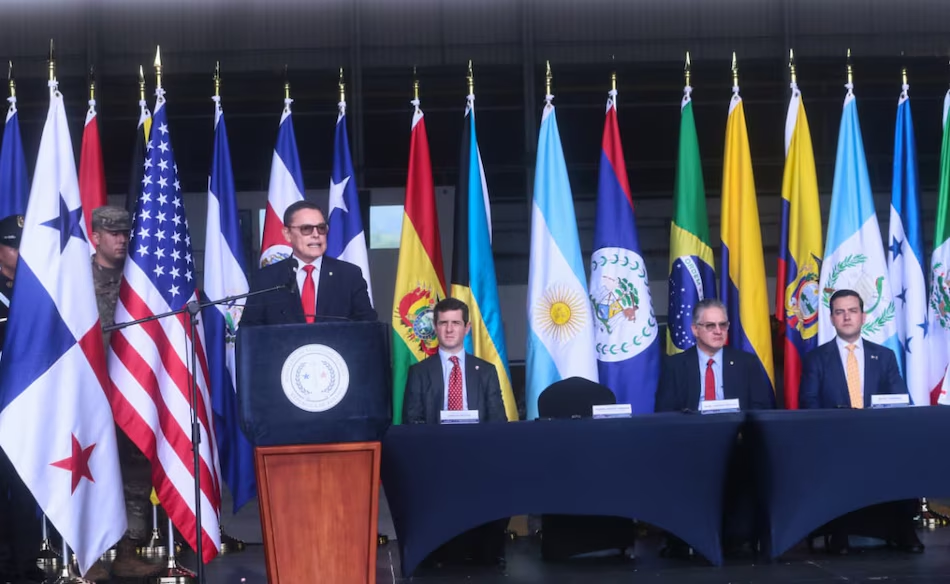
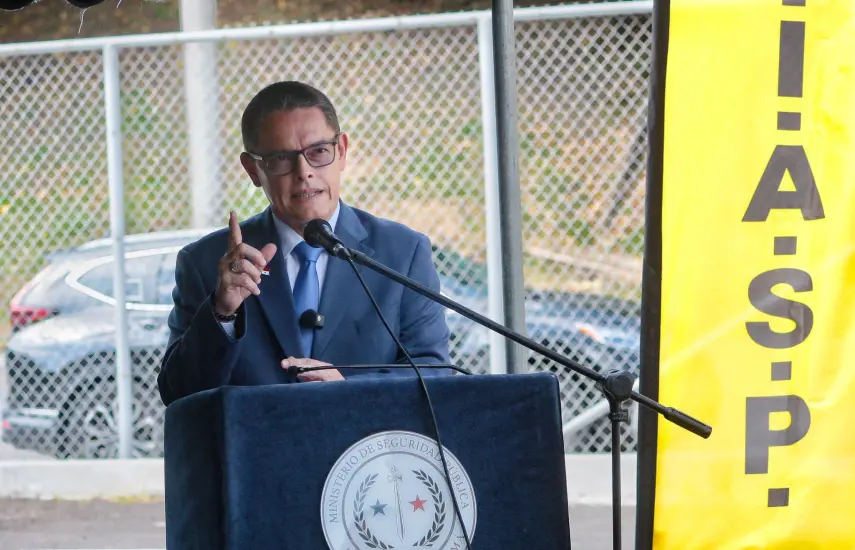
Minister Frank Ábrego pictured above at the inauguration of military exercises for the security of the Panama Canal
The Joint Command for Security in the specific areas of the Panama Canal (CCSCP) is only a day old but already generates two opposing interpretations. When asked about the issue, the deputy administrator of the ACP, Ilya Espino de Marotta, ruled out that the new structure implies an intervention in the interoceanic waterway.